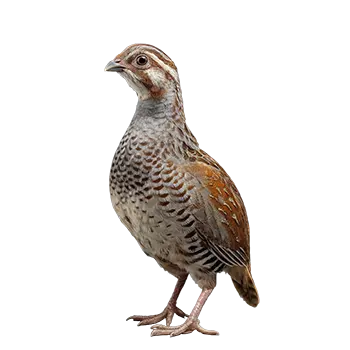

Breeding Coturnix Quail begins with selecting the right birds and confirming they are physiologically ready for reproduction. The species' precocious sexual maturity — hens can begin laying as early as six weeks of age and males can produce viable sperm by eight weeks — makes it technically possible to breed birds that are still juveniles themselves. However, allowing birds to reach full physical maturity before entering a breeding program produces healthier offspring, higher fertility rates, and stronger parent birds. The recommended minimum age for breeding stock is ten to twelve weeks, by which point both sexes have achieved their adult weight and the hens' reproductive tracts have had time to fully develop.
Breeder selection begins with identifying birds that exemplify the traits you want to propagate. For production-focused programs, this means selecting hens with consistent high laying rates, large egg size relative to body weight, and strong shell quality. For color breeding programs, this means understanding the genetics behind each mutation and pairing birds whose genotypes will produce the desired phenotype. For general-purpose flocks, overall vigor, good body conformation, sound feet and legs, clean plumage, and freedom from obvious health issues are the baseline selection criteria that every breeder should meet.
Reject any bird that shows signs of chronic illness, skeletal deformity, persistent feather loss not attributable to social causes, or reproductive abnormalities. These conditions may have a genetic component, and breeding affected birds risks propagating the problem into the next generation. Similarly, birds with histories of egg binding, persistent soft-shelled eggs, or poor fertility should not be used as breeders regardless of their other qualities. The goal is to improve the flock with each generation, and that requires the discipline to select against weakness even when it means culling a bird that is otherwise appealing.
Bloodline management matters even in small flocks. Coturnix reproduce so rapidly that inbreeding can become a significant problem within just a few generations if the keeper is not tracking lineage. Introducing unrelated males from outside sources every two to three generations maintains genetic diversity and prevents the accumulation of recessive deleterious alleles that can manifest as reduced fertility, lower hatch rates, smaller body size, and increased susceptibility to disease. Keeping simple records of which male sired which hatch allows the keeper to make informed pairing decisions as the program matures.