
Recognizing the Senior Stage

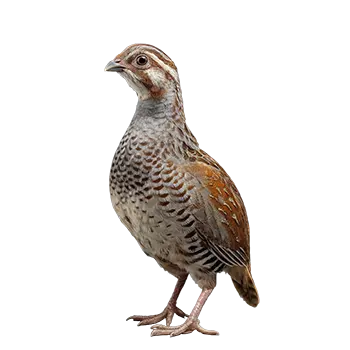
The senior stage in Coturnix Quail arrives far sooner than most keepers expect. Given the species' compressed lifespan of two to three years under typical conditions, a Coturnix enters its geriatric phase at approximately eighteen to twenty-four months of age — an age at which most other companion bird species are still considered juveniles or young adults. This rapid progression from peak productivity to senior status means that keepers must be prepared for the changes that aging brings well before they become apparent.

The most obvious early indicator of aging in a laying hen is a decline in egg production. A hen that was producing an egg nearly every day during her prime may begin producing every other day, then every third day, and eventually cease laying altogether. This decline is gradual and begins around twelve to fifteen months of age in most lines, though genetics, nutrition, and management can extend or compress the productive period. A decline in laying rate that tracks with age and occurs gradually across the flock is normal senescence, not a management failure.

Physical changes accompany the production decline. Plumage quality may deteriorate, with feathers appearing duller, more brittle, and slower to regrow after molting. Muscle mass along the keel bone diminishes even when feed intake remains adequate, giving the bird a more angular, less filled-out feel on handling. The skin may lose elasticity, and the legs and feet may develop a rougher, scalier texture than they had in the bird's prime. These changes are cosmetic manifestations of the same cellular aging processes affecting the bird's internal systems.

Behavioral changes are often subtle but detectable to a keeper who knows the individual bird. Senior Coturnix tend to be less reactive to startling stimuli, less competitive at the feeder, and more inclined to rest in sheltered spots within the enclosure. Activity levels decline modestly, and the bird may spend more time sitting than its younger flock mates. These changes do not necessarily indicate illness — they are the normal behavioral profile of an aging quail — but they do increase the bird's vulnerability to being displaced by more vigorous cage mates.

It is important to distinguish normal aging from treatable illness. A gradual, symmetrical decline in activity, production, and body condition over weeks or months is consistent with senescence. A sudden change — a bird that was active yesterday and is huddled and lethargic today — is more likely to indicate an acute health problem that may be treatable. The distinction matters because it determines whether the appropriate response is adjusted husbandry or veterinary evaluation.

Nutrition & Dietary Adjustments

Nutritional needs shift during the senior phase as egg production declines and metabolic rate decreases. The high-calcium, high-protein layer diet that supported peak production may no longer be appropriate for a hen that is laying infrequently or has ceased production entirely. Continuing to feed a high-calcium diet to a non-laying bird increases the risk of kidney damage from excess calcium excretion, a particular concern in a species whose kidneys are already working harder due to age-related functional decline.

For hens that have stopped laying, transition from a layer feed to a game bird maintenance or grower formulation with moderate protein in the range of eighteen to twenty percent and lower calcium content. This shift reduces the metabolic load on the kidneys while still providing adequate nutrition for body maintenance. If the flock contains a mix of laying and non-laying hens, offer a maintenance diet as the base and provide free-choice calcium supplementation so that actively laying birds can meet their own needs without forcing excess calcium on their non-laying flock mates.

Appetite may decline in senior birds, and the keeper should monitor body condition through regular handling and weighing rather than assuming that a bird with feed available is eating adequately. A senior Coturnix that is losing weight despite having access to feed may be experiencing dental or beak issues that make eating difficult, gastrointestinal problems that reduce nutrient absorption, or social displacement by younger, more assertive flock mates. Providing multiple feeding stations and offering feed in shallow, easily accessible dishes can help ensure that senior birds are getting their share.

Supplemental vitamins, particularly vitamin E and selenium, may support cellular health in aging birds. A poultry vitamin supplement added to the drinking water once or twice weekly provides a broad-spectrum nutritional boost without the complexity of individual supplementation. Probiotics and small amounts of fermented feed may also support gut health in older birds whose digestive efficiency is declining. These supplements complement rather than replace a well-formulated base diet.

Hydration becomes increasingly important in senior Coturnix. Aging kidneys are less efficient at concentrating urine, which means older birds may require more water relative to their body weight than younger birds. Ensure waterers are easily accessible, at a comfortable height for birds that may have reduced mobility, and positioned close to the areas where senior birds tend to rest. A bird that has to travel the full length of the enclosure to reach water may simply not make the trip as often as it should.

Health Challenges & Monitoring

The health challenges faced by senior Coturnix Quail reflect the cumulative effects of age on organ systems that evolved for a short, high-output life history. In the wild, Coturnix rarely survive long enough to experience geriatric decline — predation, disease, and environmental hardship claim most individuals well before senescence. In captivity, where these pressures are removed, the birds outlive their evolutionary design parameters, and age-related conditions emerge that wild populations simply never encounter.

Reproductive tract disorders are among the most common health issues in aging hens. The oviduct, which has been producing eggs at a remarkable rate for a year or more, becomes increasingly prone to dysfunction as it ages. Egg peritonitis occurs when an ovulated yolk misses the oviduct and falls into the abdominal cavity, where it triggers inflammation and secondary bacterial infection. Symptoms include abdominal distension, a penguin-like upright stance, lethargy, and reduced or absent appetite. This condition is serious and often requires veterinary treatment including antibiotics and anti-inflammatory medications.

Tumors and neoplastic disease become more common in Coturnix beyond eighteen months of age. The reproductive tract, liver, and kidneys are the organs most frequently affected. External signs may include abdominal swelling, weight loss despite maintained appetite, changes in droppings color or consistency, and progressive lethargy. Diagnosis typically requires veterinary examination and may involve imaging. Treatment options in birds this small are limited, and the prognosis for advanced neoplastic disease is generally poor, making quality-of-life assessment an important part of the management conversation.

Arthritis and joint stiffness affect many senior Coturnix, manifesting as reluctance to walk, visible stiffness when moving after rest, or an altered gait. Birds with arthritis may spend more time sitting and less time engaging in active behaviors including dust bathing. Providing soft, flat resting surfaces, ensuring feed and water are positioned to minimize the distance the bird must travel, and avoiding wire flooring that places pressure on arthritic foot joints all improve comfort for affected birds.

Regular health monitoring intensifies during the senior phase. Monthly physical examinations that were adequate during the adult phase should increase to every two weeks or weekly for birds showing signs of declining health. Weigh senior birds weekly and track the trend. A gradual weight loss of more than ten percent of the bird's established adult weight warrants veterinary consultation to rule out treatable conditions before assuming the decline is simply age-related.

Environment & Comfort

Environmental modifications for senior Coturnix Quail focus on reducing physical stress, ensuring accessibility to essential resources, and providing comfort measures that accommodate declining mobility and thermoregulatory capacity. The housing configuration that served the bird well during its productive adult years may need thoughtful adjustment as the bird ages.

Flooring is the most impactful environmental factor for senior birds. Wire flooring that was tolerable during the adult phase becomes increasingly problematic as foot pad skin thins and arthritis develops. Solid resting platforms or a full transition to solid flooring with absorbent bedding reduces foot pressure and provides insulation from cold surfaces. Deep, soft bedding such as pine shavings or chopped straw cushions joints and allows the bird to nestle into a comfortable resting position. For birds that remain on wire, providing at least one solid resting area large enough for the bird to sit comfortably gives it the option to choose the softer surface.

Temperature tolerance narrows in senior Coturnix. Older birds are less efficient at thermoregulation in both heat and cold, and the temperature range that constitutes the comfort zone contracts. Supplemental heat during winter months becomes more important for senior birds than for their younger flock mates, and protection from heat during summer requires more aggressive intervention. If senior birds are housed with younger birds, the environmental settings should prioritize the needs of the more vulnerable seniors.

Lighting considerations for senior birds differ from those for active layers. If the hen has ceased laying, the fourteen-plus hours of light required for production stimulation are no longer necessary, and reducing to a more natural photoperiod may benefit the bird's overall rest quality and hormonal balance. However, if the senior bird is housed with actively laying hens that require extended photoperiod, separating the bird for the sake of lighting alone is rarely practical or beneficial, as the social stress of isolation typically outweighs the lighting benefit.

Social housing decisions require careful evaluation during the senior phase. A senior Coturnix that is being displaced from feed and water by younger, more vigorous flock mates may benefit from being housed with a small group of similar-aged birds or in a less competitive social environment. Complete isolation is generally not advisable, as Coturnix are social birds that deteriorate both behaviorally and physically when housed alone. A companion group of two to three birds of similar activity level provides social stimulation without the competitive pressure of a large mixed-age flock.

Mobility & Activity

Declining mobility is one of the most visible consequences of aging in Coturnix Quail, and managing it effectively requires attention to both the bird's physical environment and its social context. A senior Coturnix that can no longer navigate its enclosure efficiently is at risk of dehydration, malnutrition, and social marginalization, all of which accelerate the decline that aging has already initiated.

Observe how the bird moves during your daily flock checks. A senior Coturnix with early mobility issues may show a slight hesitation before standing, a subtle favoring of one leg, or a slower gait compared to its younger cage mates. These early signs are easy to miss in a group setting, which is why regular individual handling is valuable — picking the bird up and setting it down reveals stiffness and weakness that are invisible when the bird is sitting in the corner of the enclosure.

Reduce the distance between essential resources. In an enclosure housing senior birds, feed, water, shelter, and dust bathing substrate should all be positioned within easy reach so that even a bird with reduced mobility can access everything it needs without traversing the full enclosure. If the enclosure has multiple levels connected by ramps, evaluate whether the senior bird is still using the ramps. A bird that has stopped accessing an upper level may have simply lost the leg strength or joint flexibility to negotiate the incline.

Gentle exercise is beneficial for senior Coturnix with mild mobility limitations. Birds that are reluctant to move on their own can be encouraged to walk short distances during handling sessions, and providing low obstacles such as a folded towel or a shallow tray to step over promotes joint movement without requiring athletic effort. The goal is maintenance of existing function rather than improvement — keeping the bird mobile enough to access food, water, and social interaction comfortably.

Weight management becomes relevant in the senior phase from both directions. An overweight senior bird places additional stress on aging joints and may develop fatty liver disease. An underweight senior bird lacks the energy reserves to recover from illness or environmental stress. Regular weighing provides the objective data needed to distinguish between the two conditions and adjust the feeding program accordingly. The target is a stable body weight within ten percent of the bird's established adult weight, with adjustments for the normal slight decline in muscle mass that accompanies aging.

Quality of Life Assessment

Quality of life assessment is the senior Coturnix keeper's most important and most difficult ongoing responsibility. Because these birds cannot articulate their experience and because prey animals are evolutionarily programmed to mask signs of weakness, the keeper must develop a systematic approach to evaluating whether the bird's daily experience is acceptable, marginal, or below the threshold where humane intervention is warranted.

A structured quality-of-life assessment evaluates five domains: physical comfort, nutrition and hydration, mobility and activity, social engagement, and the overall balance of good days versus bad days. In each domain, the keeper assigns a score based on objective observations rather than subjective impressions. A bird that is eating and drinking adequately, moving without visible pain, engaging socially with its flock mates, and spending the majority of its time in normal resting and active behaviors has an acceptable quality of life even if it is no longer laying eggs or moving as quickly as it once did.

Physical comfort encompasses freedom from unmanaged pain, respiratory ease, and the absence of untreated wounds or infections. A bird that is panting at rest in moderate temperatures, that shows persistent guarding of a body part, or that has open wounds that are not healing despite treatment is experiencing a comfort deficit that requires either intervention or a conversation about humane endpoints. Pain assessment in birds is challenging but not impossible — the key indicators are changes in posture, reluctance to move, reduced food intake, and withdrawal from social interaction.

The good-days-to-bad-days ratio is perhaps the most practical quality-of-life metric available. A bad day is one where the bird spends the majority of its time in a hunched, inactive posture, shows minimal interest in food or social interaction, or displays signs of distress. A good day is one where the bird engages in normal behaviors — eating, drinking, dust bathing, vocalizing, interacting with flock mates — even if at reduced intensity compared to its younger self. When bad days consistently outnumber good days over a period of a week or more, quality of life has declined below an acceptable threshold and the keeper must consider the options available.

The emotional dimension of quality-of-life assessment cannot be ignored. Keepers who have raised a Coturnix from a chick and maintained it through its productive life naturally develop an attachment that can cloud objective assessment. Having a second person — a fellow keeper, a veterinarian, or a family member who knows the bird — provide an independent assessment is a valuable check against both premature decisions and delayed ones. The goal is neither to end the bird's life at the first sign of decline nor to extend it beyond the point where daily existence is defined by discomfort.

When to Seek Veterinary Help

Veterinary care for senior Coturnix Quail occupies a unique position in avian medicine. The birds' small size limits the diagnostic and therapeutic options available, their short natural lifespan means that aggressive treatment for age-related conditions must be weighed against the realistic remaining life expectancy, and the economic calculus that influences veterinary decisions in production poultry does not apply to birds kept as companions or retired layers. Each keeper must navigate these considerations based on their own relationship with the bird, their financial circumstances, and the guidance of a veterinarian who understands both the species and the keeper's goals.

Seek veterinary attention promptly when a senior Coturnix shows any of the following: sudden inability to stand or walk, persistent open-mouth breathing at rest, abdominal distension that develops over hours or days rather than gradually, blood in the droppings, a prolapsed vent or oviduct, seizures or loss of coordination, or a sudden cessation of eating and drinking. These presentations may indicate conditions that are treatable if caught early, and even a brief veterinary consultation can determine whether intervention is likely to benefit the bird or whether palliative care is the more appropriate path.

Be prepared for the conversation about realistic outcomes. A veterinarian experienced with poultry will be candid about the limitations of treating certain conditions in a bird with a two-to-three-year natural lifespan. Surgical intervention is possible in Coturnix but carries higher anesthetic risk in small birds, particularly those already weakened by age and illness. Medical management of chronic conditions may extend life by weeks or months but may also require daily medication that is stressful for both the bird and the keeper. The veterinarian's role is to present the options with honest prognosis information so the keeper can make an informed decision.

Maintain a current relationship with your avian veterinarian rather than seeking one for the first time during a crisis. A veterinarian who has seen the bird during routine health checks has baseline data — weight, body condition, known health history — that contextualizes the current presentation and supports faster, more accurate diagnosis. Emergency veterinary visits without baseline data often result in more extensive and more expensive diagnostics because the veterinarian must establish from scratch what has changed.

End-of-life discussions are part of responsible veterinary care for senior birds. If your veterinarian identifies a condition that is terminal, progressive, and likely to cause increasing discomfort, discuss the options for palliative care and humane euthanasia before the situation becomes emergent. Having a plan in place reduces the emotional burden of making a decision during a crisis and ensures that the bird's welfare remains the central consideration throughout.

Always consult a qualified professional before making any health-related decisions. This content is provided for informational reference only and should not replace professional guidance specific to your animal.