
Daily Care & Routine

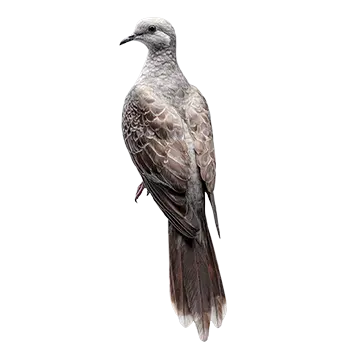
An adult Cape Dove thrives on predictability. In the wild, Oena capensis follows a consistent daily rhythm of foraging, bathing, resting, and roosting that is driven by light cycles and ambient temperature. In captivity, replicating a reliable daily routine reduces stress, supports hormonal balance, and creates a framework within which the bird feels secure enough to display its full repertoire of natural behaviors.

The day should begin at a consistent time with the uncovering of the enclosure or, in an aviary setting, the activation of lighting. Offer fresh seed and clean water immediately, as Cape Doves are most active in the early morning hours and will begin foraging as soon as light is available. Remove and replace any uneaten fresh foods from the previous day, and inspect the enclosure floor for abnormal droppings that may indicate overnight health changes. This brief morning health check takes only moments but can catch emerging problems before they escalate.

Midday provides an opportunity for bathing, which is an important behavior for feather maintenance and overall wellbeing. Cape Doves typically prefer to bathe in shallow water rather than mist, though individual preferences vary. Place a clean, shallow dish of lukewarm water in the enclosure and allow the bird to bathe at its own pace. Most Cape Doves will splash vigorously for a few minutes and then spend a period preening and drying. Remove the bathing dish after the bird has finished to prevent it from becoming contaminated with droppings or food debris.

Evening routines should include a final food and water refresh, a brief visual health check, and a gradual reduction in light to signal the approaching rest period. Cape Doves require 10 to 12 hours of uninterrupted darkness for proper sleep. Covering the enclosure with a breathable, opaque cloth in environments where ambient light cannot be fully controlled helps ensure adequate rest. Sleep deprivation in doves, just as in parrots, leads to hormonal dysregulation, immune suppression, and behavioral disturbances that compound over time.

Optimal Adult Diet

The adult Cape Dove's diet is comparatively straightforward but must be thoughtfully composed to avoid the nutritional pitfalls common in seed-based feeding regimens. In the wild, Cape Doves are almost exclusively granivorous, feeding on the small seeds of grasses and herbaceous plants across the savannas, scrublands, and semi-arid zones of sub-Saharan Africa. In captivity, a well-designed seed mix supplemented with targeted nutrients replicates this dietary foundation while compensating for the reduced variety that captive foraging inherently entails.

The primary seed mix should consist of small-seeded species that match the Cape Dove's natural food sources and beak morphology. White proso millet, Japanese millet, canary grass seed, and small quantities of niger seed form an excellent base. Avoid mixes designed for larger pigeons or parrots, as the seed sizes are inappropriate and the fat content, particularly from sunflower seeds, is excessive for a species with the Cape Dove's modest caloric requirements. A healthy adult Cape Dove consumes approximately one to two teaspoons of seed per day, depending on activity level and ambient temperature.

Mineral supplementation remains important throughout adulthood. Cuttlebone or a mineral block should be permanently available in the enclosure. Grit, which is essential for the gizzard function of all columbiform species, should be offered in a dedicated dish separate from the food and replaced weekly. Choose a fine-grade mineralized grit rather than the coarser grades intended for larger pigeons. A water-soluble avian vitamin supplement can be added to the drinking water two to three times per week, following the manufacturer's dosing instructions precisely to avoid hypervitaminosis.

Fresh foods, while not a major component of the Cape Dove's diet, provide beneficial micronutrients and dietary variety. Finely chopped dark leafy greens, small pieces of cucumber, and sprouted seeds are the most commonly accepted fresh items. Offer small portions daily, removing any uneaten produce within a few hours to prevent bacterial contamination. Fruit should be given sparingly if at all, as its sugar content offers little nutritional benefit to a species adapted to a low-sugar, seed-based diet.

Clean water must be available at all times. Cape Doves drink by immersing their beak and drawing water continuously through a pumping action, unlike passerines that take individual sips and tilt their head back. The water dish must be deep enough to accommodate this behavior but weighted or secured to prevent tipping. Change the water at minimum twice daily, more frequently in warm weather, and scrub the dish regularly to prevent biofilm accumulation that can harbor pathogenic bacteria.

Health Maintenance & Preventive Care

Adult Cape Doves are resilient birds when properly maintained, but their small size and instinctive tendency to mask illness mean that visible symptoms often indicate advanced disease. A proactive health maintenance program centered on routine veterinary visits, daily observation, and environmental hygiene is far more effective than reactive treatment of established illness.

Annual veterinary examinations should include a thorough physical assessment, fecal examination for parasites, and a crop swab to screen for trichomoniasis and candidiasis. Depending on the bird's history and living situation, your avian veterinarian may also recommend periodic blood panels to establish baseline values and screen for liver or kidney dysfunction. Establishing these baselines while the bird is healthy provides a critical reference point if illness occurs later.

Daily health monitoring by the keeper is the first line of defense. Observe the bird's posture, activity level, appetite, and droppings consistency each day. A healthy adult Cape Dove is alert, active during daylight hours, maintains sleek plumage, and produces well-formed droppings with a distinct fecal component, white urate portion, and small amount of clear urine. Deviations from this baseline, even subtle ones, warrant closer attention and potentially a veterinary consultation.

Parasite management is particularly important for Cape Doves housed in outdoor aviaries or in proximity to wild birds. Coccidiosis, trichomoniasis, roundworms, and external parasites such as red mites and feather lice can all affect captive doves. Regular enclosure cleaning, prompt removal of droppings, and prevention of contact between captive and wild birds reduce exposure. Your veterinarian can advise on prophylactic treatment schedules appropriate for your specific husbandry situation.

Nail and beak maintenance is rarely needed in Cape Doves that have access to varied perch surfaces and natural foraging substrates. However, birds housed on uniform perches or smooth flooring may develop overgrown nails that impair perching and can lead to foot injuries. If trimming is required, use a small pair of sharp nail scissors and trim conservatively to avoid cutting into the quick. Beak overgrowth, while uncommon, can indicate underlying liver disease or nutritional deficiency and should be evaluated veterinarily rather than simply trimmed.

Molting Cycles & Feather Care

Adult Cape Doves undergo a complete molt annually, typically triggered by changes in photoperiod following the breeding season. During this four-to-six-week process, the bird systematically replaces all of its body, wing, and tail feathers. Understanding the normal molt pattern helps caregivers provide appropriate support and distinguish routine feather replacement from pathological feather loss.

The molt generally follows a predictable sequence. Body feathers are replaced first, followed by the wing flight feathers, which are shed symmetrically so that the bird retains flight capability throughout the process. The long, distinctive tail feathers of the male are among the last to be replaced. During active molting, the bird may appear slightly disheveled as old feathers are lost and new pin feathers emerge, and it may be less active than usual as metabolic resources are redirected toward feather synthesis.

Nutritional demands increase significantly during the molt. Feathers are composed primarily of keratin, a protein-rich structural material, so dietary protein intake must be adequate to support high-quality feather growth. Supplement the regular seed diet with small amounts of egg food, a commercial preparation of dried egg and grain that is widely used in aviculture for this purpose. Additional calcium and mineral supplementation supports the development of structurally sound feather shafts. Birds that are nutritionally deficient during the molt produce feathers with stress bars, weak shafts, or dull coloration that compromise both appearance and function until the next molt cycle.

Bathing frequency should be maintained or even increased during the molt. Water helps soften the keratin sheaths that encase emerging pin feathers, allowing them to unfurl more easily and reducing the discomfort associated with heavy pin feather growth. Some birds become more interested in bathing during the molt, while others may be reluctant if pin feather sensitivity makes them uncomfortable. Offer bathing opportunities consistently and let the bird decide.

Abnormal molting patterns deserve veterinary attention. A molt that stalls partway through, leaving the bird with a mixture of old and new feathers indefinitely, may indicate hormonal imbalance, chronic illness, or significant environmental stress. French molt, a condition primarily associated with budgerigar fledgling disease virus but occasionally seen in other species, causes abnormal flight and tail feather loss in young birds. Persistent bald patches, feather destruction, or feathers that grow in with abnormal color or texture all warrant professional evaluation to rule out infectious disease, nutritional deficiency, or parasitic infestation.

Behavior & Enrichment

Adult Cape Doves express a behavioral repertoire that, while less overtly interactive than that of parrots, is rich, nuanced, and deeply rewarding for attentive keepers. Understanding the species-typical behaviors of Oena capensis allows caregivers to provide appropriate enrichment and to recognize when behavioral changes may signal health or welfare concerns.

The adult male's courtship display is one of the most striking behaviors in the dove family. He performs a distinctive bowing display accompanied by a soft, rhythmic cooing vocalization, fanning his tail and puffing his chest to present the black facial bib to maximum effect. This display may be directed at a female companion, at the caregiver, or even at his own reflection in a mirror. While the display itself is harmless, persistent mirror-directed courtship can become obsessive, and mirrors should be removed if the bird is neglecting feeding or rest in favor of displaying.

Foraging enrichment is among the most effective ways to promote natural behavior and mental engagement. Rather than offering all seed in a single dish, scatter a portion on the enclosure floor or in shallow trays filled with clean substrate through which the bird must search to find food. This replicates the ground-foraging behavior that occupies a significant portion of the wild Cape Dove's day and provides physical exercise along with cognitive stimulation.

Flight is essential to a Cape Dove's physical and psychological wellbeing. Even in a cage setting, the enclosure must be large enough to permit short flights between perches. Birds that are denied adequate flight space develop weakened pectoral muscles, obesity, and a range of stress-related behaviors. If possible, allow supervised free flight in a bird-safe room on a regular basis. Cape Doves are fast, agile fliers, and a daily period of open flight provides exercise that no cage, however large, can fully replicate.

Social needs vary by individual and housing situation. A bonded pair of Cape Doves will provide each other with social enrichment through mutual preening, proximity resting, and vocal communication. A singly housed bird relies more heavily on its human caregiver for social interaction and should receive daily attention, even if that interaction is as simple as sitting quietly near the enclosure and speaking softly. Cape Doves are not demanding companions, but they are social animals that experience measurable stress when chronically isolated.

Housing Considerations for Adults

The housing needs of an adult Cape Dove reflect its natural ecology as a small, fast-flying, ground-foraging dove of open landscapes. The enclosure must balance adequate flight space with security, ease of cleaning, and protection from environmental hazards. Getting the housing right from the outset prevents a cascade of health and behavioral problems that stem from inappropriate living conditions.

Indoor flight cages remain the most common housing option for pet Cape Doves. A cage measuring at least 36 inches in length provides enough horizontal distance for short flights, which are more characteristic of this species' natural movement than vertical climbing. Bar spacing must not exceed half an inch, as the Cape Dove's slim head can pass through wider gaps, creating an entrapment and strangulation risk. Horizontal bar orientation is preferred over vertical, as it facilitates the lateral movement and perching behavior natural to doves.

Outdoor aviary housing offers significant benefits in terms of space, natural light, and environmental enrichment, but introduces risks that must be carefully managed. The aviary must be fully enclosed with fine-gauge mesh to prevent escape and to exclude wild birds, which can introduce diseases such as Pigeon Paramyxovirus and avian pox. Double-door entry systems prevent accidental escapes during keeper access. The aviary should include covered areas that provide shelter from rain, wind, and direct midday sun, as well as open areas that allow the birds to sun themselves, a behavior Cape Doves engage in frequently and appear to enjoy.

Temperature tolerance in adult Cape Doves is broader than in juveniles or seniors, but this species originates from warm climates and does not tolerate prolonged cold well. Indoor housing should be maintained above 65 degrees Fahrenheit, and outdoor aviaries in temperate climates require heated shelters or seasonal relocation indoors when nighttime temperatures consistently drop below 50 degrees Fahrenheit. Sudden temperature fluctuations are more stressful than stable cool conditions, so consistency is more important than absolute temperature.

Enclosure hygiene is a daily commitment. The floor substrate should be changed daily, food and water dishes washed and refilled at least twice daily, and perches wiped down or replaced weekly. A thorough enclosure disinfection with an avian-safe cleaner should occur at least monthly, with the bird temporarily relocated during the cleaning process. Accumulated droppings, spilled seed, and damp substrate create ideal conditions for bacterial, fungal, and parasitic organisms that pose direct threats to the dove's health.

Recognizing Illness in Adult Cape Doves

Detecting illness in an adult Cape Dove requires a calibrated eye and a thorough familiarity with the individual bird's normal behavior, appearance, and routine. Doves, like most prey species, have evolved to conceal signs of weakness and illness as a survival strategy, which means that outwardly visible symptoms often represent disease that has already progressed to a moderate or advanced stage. Early detection depends on noticing the subtle deviations from normal that precede obvious clinical signs.

Changes in droppings are among the most informative early indicators. Become intimately familiar with what your Cape Dove's normal droppings look like in terms of size, color, consistency, and ratio of fecal matter to urate to liquid urine. A shift toward more watery droppings, a change in the color of the fecal component, an increase in the urate proportion, or the presence of undigested seed can each point to specific categories of illness. Photograph the droppings if you notice a change, as this documentation is enormously helpful to your avian veterinarian.

Postural changes provide another window into the bird's internal state. A healthy adult Cape Dove carries itself with a characteristically upright, alert posture, with feathers held sleek against the body. A bird that begins sitting with fluffed feathers, hunched shoulders, or partially closed eyes during active daylight hours is communicating discomfort or malaise. Tail bobbing, which refers to a rhythmic up-and-down movement of the tail synchronized with breathing, is a sign of respiratory distress and should be treated as an urgent concern.

Weight monitoring, while challenging with a bird that may resist handling, is the most objective measure of overall health trajectory. A small, gram-accurate kitchen scale with a stable perch affixed to the platform allows regular weigh-ins with minimal stress to the bird. Establish a baseline weight during a period of known good health, and flag any loss exceeding five percent of body weight for veterinary evaluation. In a bird that weighs 40 grams, a two-gram loss represents five percent and can reflect serious underlying disease.

Common adult health conditions include trichomoniasis, coccidiosis, Escherichia coli infections, candidiasis, air sac mites, and vitamin A deficiency. Each presents with its own constellation of signs, but the cardinal symptoms that should always prompt immediate veterinary attention are open-mouth breathing, discharge from the eyes or nares, persistent diarrhea, visible masses or swellings, loss of balance or coordination, and sudden cessation of eating or drinking. When in doubt, seek professional assessment. The cost of an unnecessary veterinary visit is always less than the cost of delayed treatment for a treatable condition.

Always consult a qualified professional before making any health-related decisions. This content is provided for informational reference only and should not replace professional guidance specific to your animal.