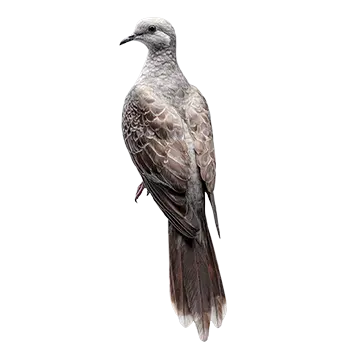

Recognizing the Final Decline

The transition from manageable senior health challenges to terminal decline in a Cape Dove can be gradual or abrupt, and recognizing when a bird has entered this final phase is one of the most difficult tasks a caregiver faces. Cape Doves, like all prey species, are biologically programmed to conceal weakness, which means that the visible signs of terminal decline often represent the point at which the bird can no longer maintain the facade of normalcy.

The most reliable indicator of irreversible decline is a sustained downward trajectory in the bird's core quality of life metrics despite appropriate veterinary intervention. A Cape Dove that continues to lose weight over a period of weeks despite adequate food availability and veterinary treatment, or one that shows progressive deterioration in mobility, alertness, or social engagement without response to medical management, is likely approaching the end of its life. Single bad days can occur in any aging bird and do not necessarily indicate terminal decline, but a pattern of deterioration that fails to reverse with treatment is a different matter.

Specific clinical signs that suggest a bird is nearing the end include persistent inability to perch, spending all time on the enclosure floor; complete or near-complete cessation of eating and drinking; extreme lethargy with minimal response to external stimuli; labored or irregular breathing patterns; loss of the ability to maintain normal body temperature even in a warm environment; and a progressive withdrawal from social interaction with cage mates or the human caregiver.

It is important to distinguish between a treatable acute illness and genuine terminal decline. A bird that becomes suddenly ill may display many of the same symptoms listed above but may respond to veterinary treatment and recover. Always seek veterinary evaluation when a significant change occurs, even if you suspect the bird is reaching the end, because treatable conditions deserve treatment and an accurate diagnosis informs the decisions that lie ahead.

Hospice & Comfort Care

When curative treatment is no longer effective or appropriate, the focus of care shifts to comfort and quality of life. Hospice care for a Cape Dove means creating an environment that minimizes pain, stress, and distress while preserving whatever capacity for comfort and pleasure the bird retains. This is not a passive process of waiting; it is active, intentional care that honors the bird's remaining time.

Environmental modifications for hospice care center on warmth, accessibility, and security. Move the bird to a small, quiet enclosure at ground level, eliminating the need for flight or climbing. Line the floor with soft, clean towels and position low perches or rolled towels that the bird can lean against for support. Provide gentle supplemental heat using a ceramic heat emitter or infrared panel, maintaining ambient temperature at approximately 80 to 85 degrees Fahrenheit to reduce the metabolic burden of thermoregulation.

Food and water must be positioned within immediate reach, ideally within a step or two of wherever the bird chooses to rest. If the bird is still eating, offer its preferred foods rather than insisting on a nutritionally optimal diet. The goal during hospice is comfort, not longevity. Small amounts of favored seed, softened food, and fresh water offered in shallow dishes allow the bird to eat and drink without exertion. If the bird has stopped eating voluntarily, discuss supportive feeding options with your veterinarian, keeping in mind that forced feeding can cause significant stress and may not be in the bird's best interest at this stage.

Pain management is a critical component of avian hospice care. Work with your avian veterinarian to establish an appropriate analgesic protocol. Anti-inflammatory medications can address pain from arthritis, organ inflammation, and other chronic conditions. Opioid analgesics may be prescribed for more severe pain. Administering oral medications to a small, debilitated bird requires a gentle technique: use a micropipette or small syringe to deliver the medication drop by drop into the side of the beak, pausing between drops to allow the bird to swallow without aspiration risk.

Maintain your presence and routine as much as possible during the hospice period. Sit near the bird, speak softly, and provide the familiar sensory context that defines the bird's sense of home. Avoid introducing new people, animals, or environmental changes during this time. The bird's world should feel safe, quiet, and predictable, staffed by the familiar caregiver whose presence has been a constant throughout its life.

The Euthanasia Decision

Euthanasia is the most difficult decision a companion bird owner faces, and it is also, in many cases, the final act of compassion that a caregiver can offer. The decision to euthanize a Cape Dove should be made thoughtfully, in consultation with a qualified avian veterinarian, and with the bird's suffering rather than the owner's emotional needs as the primary consideration.

The central question in any euthanasia decision is whether the bird is experiencing more suffering than comfort in its daily life. Quality of life assessment tools, such as the daily journaling approach described in the senior care section of this guide, provide an objective framework for answering this question. When the record shows a clear, sustained predominance of distress over comfort, with the bird unable to perform basic functions like eating, drinking, resting peacefully, or maintaining body temperature, euthanasia becomes a compassionate option that prevents further suffering.

Timing is one of the hardest aspects of this decision. Many caregivers fear acting too soon, but in practice, the more common regret among experienced avian keepers is waiting too long. A bird that has reached the point of visible, sustained suffering has likely been uncomfortable for a period before that suffering became apparent to a human observer. The instinct to delay in hope of improvement is natural and understandable, but it must be weighed against the bird's experience during the waiting period.

Avian euthanasia, when performed by a qualified veterinarian, is rapid and humane. The most common method involves an injection of a barbiturate anesthetic, typically sodium pentobarbital, which causes a swift loss of consciousness followed by cardiac arrest. The bird experiences no pain during this process. Some veterinarians offer the option of a preliminary sedation or gas anesthesia to further reduce any stress associated with handling and injection. Discuss the specific protocol with your veterinarian in advance so that you understand what to expect and can be present if you choose to be.

Being present during euthanasia is a personal decision with no universally correct answer. Some caregivers find comfort in being with their bird during its final moments, providing a familiar voice and gentle touch as the bird passes. Others find the experience too distressing and prefer to say goodbye beforehand. Either choice is valid, and your veterinarian will support whichever option you choose.

After-Death Care & Arrangements

The practical matters that follow a Cape Dove's death, whether it occurs naturally or through euthanasia, must be attended to promptly but can be planned in advance to reduce the burden of decision-making during an emotionally difficult time. Knowing your options and preferences beforehand allows you to focus on processing your loss rather than navigating unfamiliar logistics.

Immediate after-death care involves placing the bird's body in a clean cloth or paper towel and storing it in a cool location, such as a refrigerator, if final arrangements will not occur within a few hours. Do not freeze the body unless instructed to do so by your veterinarian or cremation provider, as freezing can complicate certain aftercare processes. If the bird died unexpectedly and the cause is unknown, your veterinarian may recommend a post-mortem examination to identify the cause of death, which can provide closure and inform the care of any remaining birds.

Cremation is the most common aftercare option for companion birds. Many veterinary clinics work with pet cremation services that offer communal cremation, in which the bird is cremated alongside other pets with no ashes returned, or private cremation, in which the bird is cremated individually and the ashes returned to the owner. Private cremation allows for keepsake urns, ash scattering, or other memorial uses. Confirm the specific arrangements with your veterinary clinic or cremation provider, including whether private cremation is truly individual and whether a certificate of cremation will be provided.

Home burial is another option where local regulations permit. Check your municipal ordinances regarding pet burial on private property before proceeding. If burial is permitted, choose a location that is not near water sources or utility lines, and dig to a depth of at least two feet to prevent disturbance by other animals. The bird can be wrapped in a natural-fiber cloth or placed in a small biodegradable container. Some caregivers choose to plant a memorial garden or place a marker at the burial site.

If the deceased bird was part of a pair or group, the surviving birds may show behavioral changes in response to the loss. While the extent to which birds grieve is debated in the scientific literature, many experienced dove keepers report that surviving cage mates show increased vocalization, changes in eating patterns, or agitation following the death or removal of a companion. Maintain routine and provide extra attention to surviving birds during the adjustment period.

Grief & Emotional Recovery

The grief that follows the loss of a Cape Dove is real, valid, and deserving of the same respect as any other form of bereavement. The depth of attachment that develops between a caregiver and a small, quiet bird may not be immediately understood by people who have never experienced the bond of avian companionship, but the loss can be profoundly felt regardless of the animal's size or the length of its life.

Grief following pet loss commonly follows patterns similar to other forms of bereavement, including waves of sadness, feelings of guilt or second-guessing about care decisions, a sense of emptiness in the daily routine, and, for some people, physical symptoms such as fatigue or difficulty concentrating. These experiences are normal and do not indicate weakness or disproportionate attachment. A relationship of daily care, attention, and mutual recognition creates a bond whose absence is genuinely painful.

Guilt is a particularly common component of pet loss grief. Caregivers often replay decisions in their minds, wondering whether they acted too soon, too late, or whether different treatment choices might have changed the outcome. While reflection is natural and healthy, self-recrimination is not. Remind yourself that you made the best decisions you could with the information available at each point, and that your willingness to confront difficult choices was itself an act of love and responsibility.

Support during the grieving process may come from fellow avian enthusiasts who understand the specific nature of the bond between keeper and bird. Online dove and pigeon communities, avicultural societies, and pet loss support groups provide spaces where grief can be expressed and validated. Professional pet loss counselors are also available for those who find that grief is interfering with daily functioning or persisting in a way that feels unmanageable. There is no timeline for grief, and no correct way to experience it.

Memorializing your Cape Dove can be a meaningful part of the healing process. Some keepers create a photo collection or scrapbook documenting the bird's life. Others commission artwork, write about the bird, or make a donation to an avian rescue or conservation organization in the bird's memory. These acts of remembrance honor the relationship and acknowledge the bird's place in your life while providing a constructive outlet for the emotions that accompany loss.

Impact on Companion Animals

The death of a Cape Dove affects not only its human caregiver but also any companion animals that shared its living space. Birds, dogs, cats, and other household animals may respond to the absence of a familiar presence in ways that require attention and management. Understanding these responses helps caregivers provide appropriate support to surviving animals during a period when the household routine has been disrupted.

Surviving Cape Doves in the same enclosure may display noticeable behavioral changes following the death of a cage mate. A bonded partner, in particular, may show increased restlessness, excessive calling, reduced appetite, or prolonged periods of sitting in the area where the deceased bird typically roosted. These behaviors generally resolve over a period of one to three weeks as the surviving bird adjusts to its new social reality. During this period, maintain the established daily routine as consistently as possible, as the predictability of feeding times, light cycles, and caregiver interaction provides an anchor of normalcy.

The decision of whether and when to introduce a new companion for a surviving Cape Dove depends on the individual bird's temperament and social needs. Some singly housed doves adapt well to life without a conspecific companion, particularly if they receive adequate human interaction. Others show sustained signs of distress when alone, including repetitive calling, decreased activity, and prolonged feather fluffing that suggests chronic stress. If a new companion is introduced, follow the same gradual introduction protocol used for any new pairing, beginning with visual contact in adjacent enclosures before shared housing.

Other household animals, including dogs and cats, may also react to the change in the household dynamic. A dog that was accustomed to watching the bird's enclosure may investigate the empty cage or show increased attention-seeking behavior. Cats that were aware of the bird's presence may be drawn to the enclosure area by residual scent. These responses are generally short-lived, but caregivers should monitor interactions to ensure that surviving birds are not subjected to increased predatory attention during a vulnerable period.

Cleaning or removing the deceased bird's enclosure is a personal decision. Some caregivers prefer to remove the enclosure quickly to avoid a constant visual reminder of the loss. Others find comfort in leaving it in place for a period before dismantling it. If the enclosure will be reused for a future bird, a thorough disinfection with an avian-safe cleaner is essential before introducing a new occupant. If it will not be reused, donate it to an avian rescue or shelter where it can continue to serve a useful purpose.

Planning Ahead

Advance planning for end-of-life care reduces the emotional and logistical burden that accompanies the final stages of a Cape Dove's life. While no caregiver wants to dwell on the prospect of losing their bird, having a framework of decisions already made and resources already identified allows the focus to remain on the bird's comfort and dignity when the time comes.

Establish a relationship with an avian veterinarian who is experienced in end-of-life care and euthanasia for small birds well before the need arises. Not all veterinary practices are equipped to euthanize birds humanely, and locating an appropriate practitioner during a crisis is stressful and time-consuming. Discuss the veterinarian's euthanasia protocol during a routine visit so that you understand the process and can raise any concerns in a non-urgent setting.

Create a care plan document that outlines your preferences for end-of-life decisions. This document should include your quality of life assessment criteria, your preferred aftercare option (cremation or burial), the contact information for your avian veterinarian and any aftercare providers, and your wishes for any surviving companion birds. If you share the responsibility of caring for the bird with family members, discuss these preferences together so that everyone is aligned on the approach.

Consider the financial dimension of end-of-life care in advance. Veterinary hospice care, euthanasia, and aftercare services all carry costs that can be unexpected if not anticipated. Avian emergency visits, in particular, can be expensive, and decisions made under financial pressure may not align with the bird's best interests. Setting aside a modest emergency fund for end-of-life veterinary care ensures that financial considerations do not constrain your ability to provide appropriate comfort care and humane euthanasia when needed.

Finally, consider the contingency plan for your bird in the event that you become unable to provide care before the bird reaches the end of its natural life. Identify a trusted person who is willing and able to assume care of your Cape Dove, and provide that person with detailed written care instructions, veterinary records, and a list of the bird's preferences and habits. This contingency planning, while uncomfortable to contemplate, is a fundamental responsibility of pet ownership that ensures the bird's welfare regardless of what happens in the caregiver's own life.

Always consult a qualified professional before making any health-related decisions. This content is provided for informational reference only and should not replace professional guidance specific to your animal.