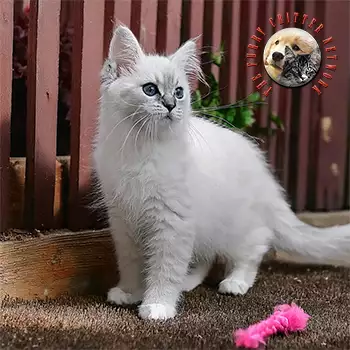

Nutritional Needs

The Burmilla is a medium-sized cat with a moderately active disposition and a muscular yet elegant build. Their metabolism sits in a balanced range — not as demanding as highly active breeds, but enough to warrant careful attention to caloric intake and macronutrient ratios. A diet built around high-quality animal protein is essential, as cats are obligate carnivores and the Burmilla is no exception. Protein should come from identifiable meat or fish sources listed as the first ingredient in any food you consider.

Because Burmillas carry a dense, silver-tipped coat that is one of their most distinctive features, their diet should support skin and coat health. Omega-3 and omega-6 fatty acids play a critical role here, contributing to the lustrous sheen that defines the breed. Look for foods that incorporate fish oils or flaxseed as supplementary fat sources, and ensure the overall fat content falls within the moderate range recommended for indoor cats.

Burmillas can be prone to weight gain if overfed or under-exercised, particularly as they move into middle age. Monitoring portion sizes and choosing a food with appropriate caloric density helps prevent obesity-related issues such as joint stress and diabetes. Taurine, an amino acid essential for feline cardiac and eye health, should be present in any food you select, as cats cannot synthesize it on their own.

Hydration is another key nutritional consideration. Burmillas, like many cats, may not drink enough water on their own, which places additional importance on wet food or moisture-rich diets. Incorporating wet food into the feeding routine or offering broths alongside dry kibble can help maintain kidney function and urinary tract health over the long term.

What to Look For

When evaluating cat food for your Burmilla, the ingredient list is the most reliable indicator of quality. The first ingredient should always be a named animal protein — chicken, turkey, salmon, or similar — rather than a vague descriptor like "meat meal" or "animal by-products." Foods that list multiple protein sources in the top five ingredients tend to deliver a more complete amino acid profile, which supports lean muscle maintenance in this athletic breed.

Avoid foods with excessive grain fillers, artificial preservatives, or synthetic color additives. While some grains in moderate amounts are not harmful to most cats, corn and wheat gluten used as primary protein substitutes indicate a lower-quality formulation. Grain-free options are available, though they are not inherently superior — the key is whether the overall nutrient profile meets your cat's needs rather than whether any single ingredient is present or absent.

The guaranteed analysis panel on the packaging provides minimum protein and fat percentages along with maximum fiber and moisture content. For an adult Burmilla, look for a minimum crude protein of around 30 percent and a moderate fat content in the range of 12 to 18 percent on a dry-matter basis. Fiber should be present but not excessive, as too much can interfere with nutrient absorption.

Consider the life stage formulation as well. Kittens, adults, and senior cats have different caloric and nutrient requirements. An all-life-stages formula can work, but targeted formulations for your Burmilla's current age bracket often provide more precise nutrition. If your cat has any sensitivities or health conditions, limited-ingredient diets or veterinary-formulated options may be worth exploring.

Recommended Dry Food

Dry kibble remains a practical staple for many Burmilla owners due to its convenience, shelf stability, and dental benefits. The mechanical action of chewing kibble can help reduce plaque buildup on teeth, though it should not be relied upon as a substitute for regular dental care. When selecting a dry food, prioritize formulations where animal protein leads the ingredient list and carbohydrate content is kept moderate.

Kibble size and texture matter more than many owners realize. Burmillas have a medium-sized jaw and tend to chew thoroughly rather than gulping their food, so a standard small-to-medium kibble size works well. Some dry foods offer a combination of shapes and textures designed to slow eating and encourage chewing, which can be beneficial for cats that tend to eat too quickly.

Look for dry foods that incorporate added omega fatty acids, chelated minerals, and natural preservatives such as mixed tocopherols or rosemary extract. These formulations tend to support coat quality and overall health better than those preserved with artificial chemicals. The caloric density of dry food is typically higher per volume than wet food, so measure portions carefully rather than free-feeding, especially if your Burmilla is an indoor cat with limited exercise opportunities.

Storage matters for maintaining freshness and nutritional integrity. Keep dry food in its original bag inside a sealed container, stored in a cool and dry location. Exposure to air, heat, and humidity degrades fats and vitamins over time, reducing the nutritional value of the food well before its printed expiration date.

Wet & Fresh Options

Wet food provides a significant hydration boost and tends to be more palatable for cats due to its aroma and texture. For the Burmilla, incorporating wet food into the diet — whether as a primary food source or as a supplement to dry kibble — supports urinary tract health and helps ensure adequate fluid intake. Cats evolved to derive much of their moisture from food, and wet formulations align more closely with that biological expectation.

Pâté, shredded, and chunks-in-gravy styles each have their merits. Pâté-style foods tend to have a more uniform nutrient distribution per serving, while shredded and chunk styles may appeal to cats who prefer texture variety. Some Burmillas develop strong preferences early on, so offering a few different textures during kittenhood can help prevent picky eating later.

Fresh and refrigerated cat food options have grown in availability and represent a middle ground between traditional wet food and raw diets. These products are typically gently cooked and minimally processed, retaining more of the natural nutrient profile of the ingredients. They require refrigeration and have shorter shelf lives, but many owners find the improved ingredient transparency and digestibility worth the trade-off.

When feeding wet or fresh food, portion control is important. These foods are calorie-dense despite their high moisture content, and it is easy to overshoot daily caloric targets if portions are estimated by eye. Use the feeding guidelines on the packaging as a starting point, then adjust based on your Burmilla's weight, activity level, and body condition score. Uneaten wet food should be refrigerated promptly and discarded if left at room temperature for more than two hours.

Treats & Supplements

Treats serve a valuable role in training, bonding, and enrichment, but they should constitute no more than ten percent of your Burmilla's daily caloric intake. Overuse of treats is one of the most common contributors to feline weight gain, and even small overages add up quickly in a cat that only requires 200 to 300 calories per day. Choose treats that are high in protein and low in carbohydrates, and avoid those with added sugars, excessive salt, or artificial flavoring.

Freeze-dried single-protein treats — such as freeze-dried chicken, fish, or liver — are an excellent option for Burmillas. They are minimally processed, highly palatable, and easy to break into smaller pieces for portion control. Dental treats designed to support oral health can be offered occasionally, though their effectiveness varies and they should complement rather than replace proper dental hygiene.

Supplements are generally unnecessary if your Burmilla is eating a complete and balanced commercial diet, but there are situations where targeted supplementation can be beneficial. Omega-3 fatty acid supplements, typically derived from fish oil, can enhance coat quality and support joint health in older cats. Probiotic supplements may benefit cats with sensitive digestion or those transitioning between foods.

Always consult with your veterinarian before adding any supplement to your cat's routine, as over-supplementation can cause imbalances or interfere with medications. Hairball control supplements or pastes are commonly used for Burmillas given their dense coat, and these can be helpful during seasonal shedding periods when ingested fur increases.

Foods to Avoid

Certain human foods are toxic to cats and must be kept out of reach at all times. Onions, garlic, chives, and related allium family members can cause oxidative damage to red blood cells, leading to anemia. Chocolate contains theobromine, which cats metabolize far more slowly than humans, and even small amounts can cause vomiting, elevated heart rate, and seizures. Grapes and raisins have been linked to kidney damage in some animals, and the toxic mechanism is still not fully understood.

Raw eggs, raw fish, and raw meat carry a risk of bacterial contamination including Salmonella and E. coli. While some owners pursue raw feeding protocols, these require strict handling and sourcing standards that go well beyond simply offering table scraps. Bones, whether raw or cooked, can splinter and cause choking or internal injuries. Cooked bones are particularly dangerous as they become brittle and sharp.

Dairy products are a common misconception in cat care. Most adult cats, including Burmillas, are lactose intolerant to varying degrees and will experience digestive upset from milk, cheese, or cream. Small amounts of plain yogurt are sometimes tolerated, but dairy should not be a regular part of the diet. Caffeine and alcohol are both highly toxic to cats and should never be offered or left accessible.

Artificial sweeteners, particularly xylitol, are extremely dangerous. While xylitol toxicity is more commonly discussed in dogs, it can also cause problems in cats and is found in a growing number of human food products, sugar-free gum, and even some medications. Read ingredient labels carefully on any human food before considering sharing it with your Burmilla, and when in doubt, stick to cat-specific treats and foods.

Feeding Schedule

Establishing a consistent feeding schedule helps regulate your Burmilla's metabolism, supports digestive health, and makes it easier to monitor appetite changes that might signal a health issue. Most adult Burmillas do well with two meals per day — one in the morning and one in the evening — though some owners prefer three smaller meals for cats that tend to eat too quickly or experience digestive sensitivity.

Kittens under six months of age require more frequent feeding, typically three to four meals per day, to support their rapid growth and higher metabolic rate. From six months to one year, you can gradually transition to three meals daily, and then to the adult schedule of two meals. Senior Burmillas may benefit from a return to smaller, more frequent meals if appetite declines or digestive efficiency decreases with age.

Free-feeding — leaving dry food out at all times — is generally not recommended for Burmillas, particularly indoor cats. Without structured meal times, it becomes difficult to track how much your cat is actually eating, and free access to food increases the risk of overeating. If you must leave food available during the day due to your schedule, consider using a timed automatic feeder that dispenses measured portions at set intervals.

Measure food portions using a kitchen scale or standardized measuring cup rather than estimating by eye. The feeding guidelines on the food packaging provide a starting point, but individual needs vary based on age, activity level, body condition, and whether your cat is spayed or neutered. Weigh your Burmilla regularly and adjust portions as needed, aiming to maintain a healthy body condition where the ribs are easily felt but not prominently visible.

Always consult a qualified professional before making any health-related decisions. This content is provided for informational reference only and should not replace professional guidance specific to your animal.