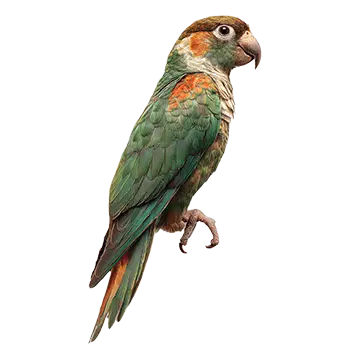
Proper nutrition is absolutely fundamental to Cape Parrot health, longevity, and quality of life. These large parrots require a carefully balanced diet that provides complete nutrition while avoiding common pitfalls like obesity, vitamin deficiencies, and mineral imbalances. Understanding their nutritional needs and implementing appropriate feeding practices makes the difference between a thriving companion and one suffering from preventable health problems.
The foundation of a captive Cape Parrot diet should be high-quality pellets specifically formulated for African parrots or large parrots generally. These pellets should comprise approximately 60-70% of the daily food intake by volume. Quality pellets provide balanced proteins, fats, carbohydrates, vitamins, and minerals in appropriate ratios, preventing the severe nutritional deficiencies that can result from seed-based diets. Choose pellets from reputable manufacturers that use natural ingredients without artificial colors or excessive additives. Some excellent options include brands formulated specifically for African parrots with controlled fat content and no artificial colors. Organic pellets may be preferable for those concerned about pesticide residues, though any quality pellet from a trusted manufacturer is suitable. Introduce pellets gradually if transitioning from a seed diet, as Cape Parrots can be resistant to diet changes. Mix increasing amounts of pellets with decreasing amounts of the previous diet over several weeks, ensuring the bird maintains adequate food intake during the transition.
Fresh vegetables should constitute approximately 20-30% of the daily diet, providing essential vitamins, minerals, phytonutrients, and dietary variety that even the best pellets cannot fully replicate. Dark leafy greens are particularly valuable, including kale, collard greens, mustard greens, dandelion greens, chard, and turnip greens. These provide vitamin A, calcium, and various other nutrients critical for immune function and overall health. Other excellent vegetables include carrots (grated or chopped), sweet potatoes (cooked), butternut squash (cooked), bell peppers (all colors), broccoli (florets and stems), green beans, snap peas, Brussels sprouts, and cauliflower. Offer vegetables fresh daily, removing uneaten portions after several hours to prevent spoilage. Wash all produce thoroughly to remove pesticide residues, and consider buying organic for items on the Environmental Working Group's Dirty Dozen list if budget allows.
Fruits provide vitamins and variety but should be offered in moderation due to their high sugar content, comprising no more than 10% of the daily diet. Suitable fruits include berries (blueberries, strawberries, raspberries, blackberries), melons, papaya, mango, apple (remove seeds which contain small amounts of cyanide), pear, pomegranate, and small amounts of banana. Citrus fruits can be offered occasionally though some birds find them too acidic. Avoid avocado entirely as it is toxic to parrots, and be cautious with fruit pits and seeds which may contain toxic compounds. Stone fruits like peaches, plums, and cherries can be offered but remove the pits first.
Seeds and nuts should be strictly limited to small amounts as treats and training rewards rather than dietary staples. While Cape Parrots enjoy and are motivated by seeds and nuts, these items are high in fat and deficient in many essential nutrients, leading to obesity and health problems when overfed. Suitable options in small quantities include almonds, walnuts, pecans, Brazil nuts (very occasional due to high selenium), pine nuts, pumpkin seeds, and sunflower seeds. A teaspoon or less of mixed nuts and seeds daily is sufficient. Raw, unsalted nuts without shells or in-shell nuts that the bird can crack open (which provides enrichment) are both appropriate. Avoid macadamia nuts which may be toxic to some birds, and never offer salted, roasted, or flavored nuts intended for human consumption.
Cooked foods can add variety and nutrition to the diet. Offer cooked whole grains like brown rice, quinoa, barley, and whole wheat pasta several times weekly. Legumes including lentils, chickpeas, kidney beans, and black beans provide excellent protein but must be thoroughly cooked as raw or undercooked beans contain toxins. Scrambled or hard-boiled eggs (no butter or seasonings) offer high-quality protein and can be given once or twice weekly. Some keepers prepare grain and vegetable mixes called "chop" in advance, freezing portions for convenient daily feeding. These typically include cooked grains, chopped vegetables, and legumes that can be quickly thawed and served.
Foods to absolutely avoid include chocolate (toxic to all birds), avocado (toxic), caffeine, alcohol, high-fat foods, high-salt foods, sugar and candy, processed human foods, onions and garlic (can cause blood disorders in some birds), apple seeds and fruit pits (contain cyanide compounds), raw beans (contain phytohaemagglutinin toxin), mushrooms (some are toxic), rhubarb leaves (toxic), and anything moldy or spoiled. When in doubt about a particular food's safety, research thoroughly before offering it to your bird.
Supplementation needs are minimal if the bird receives a balanced diet of quality pellets, diverse vegetables, and appropriate amounts of other foods. However, calcium supplementation may be beneficial, particularly for breeding females or growing birds. Provide cuttlebone, calcium block, or mineral block in the cage, though many Cape Parrots will ignore these. Sprinkling a small amount of calcium powder (without added vitamin D3 if the bird receives adequate natural or artificial UV light) on vegetables several times weekly ensures adequate intake. Vitamin supplementation is generally unnecessary with a pelleted diet but can be offered lightly once or twice weekly if desired, using quality avian vitamin products. Never add vitamins to water as this promotes bacterial growth and doesn't ensure proper dosage; instead, sprinkle very small amounts on moist food. Excess supplementation can be as harmful as deficiency, so use supplements judiciously.
Water must be fresh, clean, and available at all times. Change water at least once daily, more often if the bird soils it by dunking food or droppings fall into the dish. Use filtered or bottled water if local tap water quality is questionable, though most municipal water is safe. Avoid distilled water which lacks essential minerals. The water dish should be large enough that the bird could bathe in it if desired, as some Cape Parrots enjoy dunking their heads or splashing in their water dish.
Feeding schedule and presentation affect food consumption and enrichment value. Offer fresh foods in the morning when birds are most hungry and likely to consume them. Remove perishable items after 4-6 hours to prevent spoilage, particularly in warm weather when bacterial growth accelerates. Pellets can remain available throughout the day. Some keepers offer a second serving of fresh foods in the evening. Present foods in different ways to maintain interest: sometimes chopped, sometimes whole for the bird to manipulate; hanging from clips or skewers; stuffed into foraging toys; or scattered to encourage searching behavior. Variety in both food items and presentation methods keeps meals interesting and engaging.
Monitoring food consumption and body condition helps ensure nutritional adequacy and catch problems early. Observe which foods are enthusiastically consumed versus ignored, adjusting offerings accordingly while ensuring nutritional balance is maintained. Regularly assess body condition by feeling the keel bone (breastbone); it should have modest muscle coverage on either side without excessive fat or prominent boniness. Weigh the bird weekly on a gram scale, recording the weight to track trends. Weight loss of more than 10% of body weight is significant and warrants veterinary attention, while gradual weight gain may indicate overfeeding or inadequate exercise. Normal weight for adult Cape Parrots ranges from approximately 300-400 grams depending on the individual, though personal baseline is more important than absolute numbers.
Transitioning diet or introducing new foods may require patience with Cape Parrots, as many are initially suspicious of unfamiliar items. Model eating the new food yourself, showing enthusiasm and enjoyment. Offer new items alongside familiar foods rather than replacing favorites entirely. Try different preparation methods if a food is initially rejected; some birds prefer raw vegetables while others like them lightly steamed. Mix new items with favorite foods to encourage sampling. Be persistent but patient, as it can take multiple exposures before a bird accepts something new. Never withhold food to force acceptance of new items, as this can cause dangerous weight loss and damage trust.