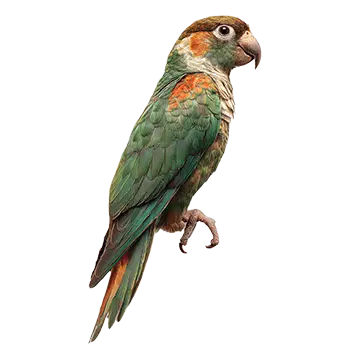

Determining when a Cape Parrot transitions into the senior stage of life is not as straightforward as it might be for shorter-lived species. With a potential lifespan of 40 to 60 years, Cape Parrots age gradually, and the onset of senior-related changes varies significantly between individuals based on genetics, diet, veterinary care history, and overall quality of life. As a general guideline, Cape Parrots over 30 years of age can be considered entering their senior years, though some birds show signs of aging earlier while others remain remarkably vigorous well beyond this threshold.
The earliest signs of aging in a Cape Parrot are often subtle and easy to overlook. A slight decrease in activity level, a preference for resting over playing, or a reduction in the frequency and intensity of vocalizations may signal the beginning of the transition. Some birds develop a gradual thinning of the feather coat, particularly around the head and neck, or a loss of vibrancy in feather coloration. These changes are normal parts of the aging process and do not necessarily indicate illness, though they should be documented and reported to the avian veterinarian.
One of the most important considerations for senior Cape Parrot care is establishing accurate age records. Many Cape Parrots are rehomed one or more times during their long lives, and age documentation is frequently lost in the process. If a bird's hatch date is unknown, an avian veterinarian can sometimes estimate age based on physical indicators such as scale texture on the feet, beak condition, iris coloration, and overall muscle tone, though these assessments are approximate at best.
Understanding that your Cape Parrot is entering its senior years allows you to proactively adjust care routines, increase veterinary monitoring, and modify the bird's environment to support comfort and safety. The transition to senior care is not a sudden shift but a gradual recalibration that honors the bird's changing needs while maintaining the quality of life it has enjoyed throughout its prime years.