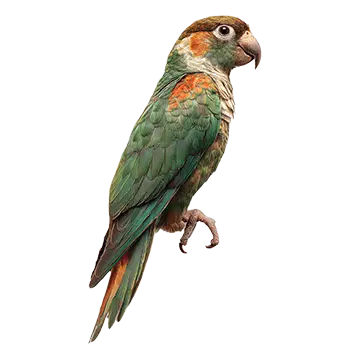

Cape Parrots are robust, medium-sized parrots with dietary requirements that reflect their origins in the temperate Afromontane forests of southern Africa. In the wild, their diet revolves heavily around the fruits of yellowwood trees, supplemented by a variety of seeds, nuts, berries, and vegetation found in the forest canopy. Replicating this nutritional diversity in captivity is essential for maintaining their health, feather quality, and longevity.
A well-balanced captive diet for a Cape Parrot should center on high-quality formulated pellets, which provide a consistent baseline of vitamins, minerals, and macronutrients. Pellets should make up roughly 50 to 60 percent of the daily intake, with the remainder filled in by fresh fruits, vegetables, nuts, and occasional seeds. Because Cape Parrots are prone to weight gain when overfed on fatty seeds and nuts, portion control is especially important.
Calcium and vitamin A are two nutrients that deserve particular attention. Cape Parrots, like many African parrot species, can develop deficiencies in both if their diet leans too heavily on seeds. Dark leafy greens, orange and red vegetables, and calcium-rich foods help address these needs. A varied, colorful plate each day is the best insurance against nutritional gaps.
Hydration matters as well. Fresh, clean water should always be available, and water dishes should be changed at least twice daily to prevent bacterial buildup. Some owners find that Cape Parrots enjoy misting or bathing, which can also support feather health alongside proper nutrition.