
The First 24 Hours

A Cape Parrot chick enters the world blind, nearly featherless, and entirely dependent on its parents or a dedicated hand-feeder. The hatching process itself can take anywhere from several hours to a full day, and it is critical that caregivers resist the urge to intervene unless the chick is clearly in distress. Once free of the shell, the newborn will rest and begin to dry, revealing a thin layer of sparse natal down covering its pink skin.

During these first hours, warmth is the single most important factor in the chick's survival. The brooder temperature should be maintained between 96 and 98 degrees Fahrenheit, with humidity levels kept around 60 to 65 percent to prevent dehydration. Parent-raised chicks benefit from the hen's brooding instincts, as she will keep the hatchling tucked securely beneath her body for nearly constant warmth.

The chick will not feed immediately after hatching. It absorbs the remaining yolk sac during the first 12 to 24 hours, which provides essential nutrients and energy. Attempting to feed too early can lead to aspiration or crop issues. Caregivers should allow this natural absorption period to complete before introducing the first hand-feeding formula.

Observe the chick closely for signs of vigor. A healthy Cape Parrot hatchling will respond to gentle touch with small movements and will vocalize softly when hungry. Note the color of the skin, which should be a healthy pink rather than pale or bluish, and check that the navel area where the yolk sac was absorbed is clean and free of redness or swelling.

Feeding & Nutrition

Feeding a Cape Parrot chick requires patience, precision, and a thorough understanding of the species' unique nutritional needs. For hand-raised chicks, a high-quality commercial hand-feeding formula designed for large parrots should be the foundation of every meal. The formula must be mixed fresh for each feeding and served at a temperature between 104 and 108 degrees Fahrenheit, as food that is too hot can cause severe crop burns and food that is too cool may be rejected or poorly digested.

During the first week, feedings should occur every two to three hours around the clock, including overnight. The volume per feeding is small at this stage, typically just a few milliliters, and the formula should be on the thinner side to accommodate the chick's immature crop and digestive system. As the chick grows, feeding frequency gradually decreases while the volume per meal increases, and the formula consistency can be thickened.

Proper feeding technique is essential to avoid aspiration, which occurs when formula enters the airway instead of the crop. Whether using a syringe, spoon, or specialized feeding tool, the formula should be delivered slowly from the left side of the chick's beak, allowing the chick to swallow at its own pace. The feeding response, a rhythmic bobbing of the head, guides the caregiver on when to deliver each small amount.

Parent-raised chicks receive crop milk and regurgitated food directly from the hen and, later, the cock. This natural feeding provides not only optimal nutrition but also beneficial gut bacteria that help establish a healthy digestive microbiome. Breeders who allow parent-rearing should monitor the chick's crop fullness and weight gain daily to ensure the parents are feeding adequately.

Weighing the chick at the same time each day, ideally before the first morning feed, provides the most reliable indicator of healthy growth. A Cape Parrot chick should show consistent daily weight gains during the first several weeks. Any plateau or decline in weight warrants immediate evaluation by an avian veterinarian.

Developmental Milestones

Cape Parrot chicks develop at a pace that is moderate compared to some other large parrot species. During the first week, the chick is essentially immobile and focused entirely on feeding and sleeping. Eyes begin to open around 10 to 14 days of age, initially as narrow slits before fully opening over the course of several days. This is a landmark moment, as the chick begins to take in visual information about its environment and caregivers.

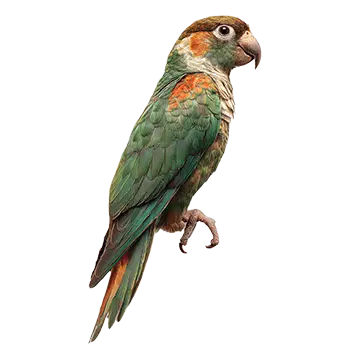
Pin feathers start to emerge through the skin at approximately two to three weeks of age, beginning along the wings and back. The distinctive green plumage of the Cape Parrot becomes visible as these feather sheaths open over subsequent weeks. The head and body fill in more gradually, and the characteristic olive-brown coloring on the head and the orange-red shoulder patches become apparent as the chick approaches six to eight weeks.

Motor development follows a predictable pattern. The chick begins to hold its head steady around two weeks and starts attempting to stand and balance by three to four weeks. Perching instincts emerge between five and seven weeks, and early flapping exercises begin shortly after, strengthening the pectoral muscles needed for eventual flight. These physical milestones are closely linked to nutritional adequacy and environmental warmth.

Vocalizations increase in variety and volume as the chick matures. Early contact calls develop within the first few weeks, and by six to eight weeks, the chick produces a wider range of sounds that form the foundation of its adult vocal repertoire. Social interaction during this period strongly influences the chick's comfort with human voices and household sounds.

Temperature & Environment

Maintaining the correct environmental conditions is critical for a Cape Parrot chick's survival and healthy development. Newly hatched chicks cannot regulate their own body temperature and rely entirely on external heat sources. A well-calibrated brooder is essential for hand-raised chicks, starting at 96 to 98 degrees Fahrenheit during the first few days and gradually reducing by one to two degrees each week as the chick grows and develops feathering.

Humidity plays an equally important role, particularly during the first two weeks. Insufficient humidity can lead to dehydration, difficulty shedding retained egg membrane, and poor feather development. A relative humidity of 55 to 65 percent is appropriate for most stages of early development. Caregivers can use a reliable digital hygrometer placed inside the brooder to monitor levels consistently.

The brooder substrate should be clean, non-toxic, and changed frequently to prevent bacterial growth. Paper towels or clean cloth towels work well and allow caregivers to monitor droppings easily. Avoid substrates like wood shavings or corn cob bedding, which can be ingested, harbor mold, or irritate delicate respiratory tissues. The brooder should be placed in a quiet area away from drafts, direct sunlight, and household traffic.

As the chick feathers out and gains the ability to thermoregulate, it can be transitioned from the brooder to a weaning enclosure. This transition typically occurs between six and eight weeks of age, depending on the individual chick's feather coverage and overall robustness. The weaning cage should still be kept in a warm room, ideally between 75 and 80 degrees Fahrenheit, and positioned away from windows and air vents.

Early Socialization

Socialization during the newborn and baby period sets the foundation for the Cape Parrot's lifelong temperament and adaptability. Cape Parrots are known for their gentle and affectionate nature, but these traits are nurtured through consistent, positive early interaction. Even during the first days of life, gentle handling during feedings helps the chick associate human contact with comfort and nourishment.

As the chick's eyes open and it becomes more aware of its surroundings, daily handling sessions outside of feeding times become beneficial. These sessions should be calm, brief, and conducted in a warm environment to prevent chilling. Talking softly to the chick, allowing it to rest in cupped hands, and offering gentle head scratches all contribute to building trust and emotional security.

Exposure to normal household sounds during the baby stage helps the chick develop resilience to environmental stimuli. The sounds of conversation, music, kitchen activity, and other household routines become familiar background noise rather than sources of fear. However, sudden loud noises, aggressive pets, and rough handling should be strictly avoided, as negative experiences during this sensitive period can create lasting anxiety and behavioral problems.

If the chick is being parent-raised, socialization with humans should still occur regularly, though with respect for the parents' boundaries. Brief daily check-ins that include weighing, gentle handling, and visual inspection allow the chick to become accustomed to human contact without disrupting the parent-chick bond. This balanced approach produces well-adjusted birds that are comfortable with both their avian family and their human caregivers.

Introduction to other household pets should be managed with extreme caution at this stage. The chick is fragile and vulnerable, and even well-meaning interactions with dogs or cats can result in injury or extreme stress. Visual exposure from a safe distance is acceptable, but direct contact should be postponed until the bird is older, more mobile, and better able to respond to its environment.

Health Screening & Vet Visits

An early veterinary relationship is one of the most important investments a Cape Parrot owner or breeder can make. The first avian veterinary examination should ideally take place within the first few days of life, or as soon as the chick is stable enough to travel safely. This initial visit establishes a health baseline and allows the veterinarian to identify any congenital abnormalities, infections, or nutritional deficiencies before they become serious.

Key diagnostic tests during early veterinary visits may include crop swabs to check for bacterial or yeast overgrowth, fecal analysis for parasites, and blood work to evaluate organ function and overall health. Cape Parrots are susceptible to Psittacine Beak and Feather Disease, a viral condition that can be devastating in young birds, so testing for this virus is strongly recommended. Polyomavirus testing is another important consideration, particularly for chicks in multi-bird environments.

Weight monitoring is an ongoing health screening tool that every caregiver should use between veterinary visits. Daily weigh-ins on a gram scale provide early warning of health issues, as weight loss or stagnation often precedes visible symptoms of illness in birds. Maintaining a written or digital log of daily weights, feeding amounts, and any behavioral observations creates a valuable record that can help the veterinarian diagnose problems quickly.

Hygiene practices in the nursery or brooder area directly impact the chick's disease resistance. All feeding equipment should be thoroughly cleaned and disinfected after every use, and hand washing before handling the chick is non-negotiable. Cross-contamination from other birds in the household is a significant risk factor, so caregivers who maintain multiple species should implement strict biosecurity protocols including dedicated equipment and clothing changes between handling different birds.

When to Worry

Recognizing signs of trouble early can mean the difference between a minor health hiccup and a life-threatening emergency in a Cape Parrot chick. Because birds instinctively mask illness as a survival mechanism, subtle changes in behavior, appetite, or appearance should never be dismissed. Any chick that refuses two consecutive feedings, appears listless, or fails to respond to gentle stimulation requires immediate veterinary attention.

Crop issues are among the most common problems in hand-raised chicks. A crop that fails to empty within the expected timeframe, known as crop stasis or slow crop, can indicate infection, improper formula temperature, or a more serious underlying condition. A sour or distended crop, foul-smelling breath, or visible discoloration of the crop skin are all urgent warning signs. Do not attempt to flush or massage a problematic crop without veterinary guidance, as improper technique can cause aspiration or crop rupture.

Respiratory distress is another critical concern. Signs include open-mouth breathing, tail bobbing with each breath, audible clicking or wheezing, and discharge from the nares. Cape Parrot chicks are particularly sensitive to airborne irritants including aerosol sprays, scented candles, nonstick cookware fumes, and cigarette smoke. Any respiratory symptoms warrant immediate veterinary evaluation, as infections can progress rapidly in young birds.

Abnormal droppings provide important diagnostic clues. While the droppings of a formula-fed chick differ from those of an adult bird, caregivers should watch for dramatic color changes, excessive wateriness, blood, or undigested food particles. Bright yellow or lime-green urates, black or tarry feces, or a significant decrease in droppings volume all suggest potential health problems that should be investigated promptly.

Deformities of the beak, feet, or legs can sometimes develop during the rapid growth phase if nutrition is inadequate or the brooder substrate does not provide proper footing. Splayed legs, scissor beak, and curled toes are conditions that are best addressed early when corrective measures are most effective. Regular physical assessments during handling sessions help caregivers catch these developmental issues while intervention is still straightforward.

Always consult a qualified professional before making any health-related decisions. This content is provided for informational reference only and should not replace professional guidance specific to your animal.