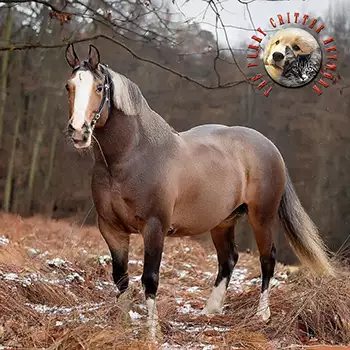

Danish Warmbloods are intelligent, curious horses that were selectively bred for trainability and willingness to engage with their handlers. These same traits mean they are prone to boredom when confined to stalls for extended periods without stimulation. A bored Danish Warmblood may develop stereotypic behaviors such as weaving, cribbing, stall walking, or wood chewing — habits that are difficult to extinguish once established and that can have lasting effects on health and property.
Understanding how your individual horse plays and explores is the first step in choosing effective enrichment. Some Danish Warmbloods are vigorous manipulators that enjoy pushing, tossing, and batting objects around their stalls and paddocks. Others are more investigative, preferring to nose around novel objects, work through puzzles, or interact with textured surfaces. Observing what captures your horse's attention during turnout and free time reveals patterns that should guide your enrichment choices.
Enrichment is not a luxury or an afterthought — it is a fundamental component of equine welfare, particularly for sport horses that spend significant portions of their day confined. The physical demands of training provide physical exercise, but they do not replace the cognitive engagement that comes from exploration, problem-solving, and self-directed play. A well-designed enrichment program contributes to a calmer, more focused horse in training and reduces stress-related health issues.
Rotation is key to maintaining interest. Even the most engaging toy becomes background furniture after constant exposure. Introducing new items periodically and cycling older ones out of the environment keeps the horse's curiosity active and maximizes the behavioral benefit of each enrichment tool.