
Danish Warmblood Breed Guide - Furry Critter Network

Danish Warmblood

Quick Facts

🔬 Scientific Name
Equus ferus caballus
📋 Breed Registry
Dansk Varmblod (Danish Warmblood Society)
📊 Care Level
Intermediate
😊 Temperament
Willing
📏 Height
15.2-17 hands
⏱️ Lifespan
25-30 years
⚖️ Weight
1,100-1,400 lbs
🎨 Coat Colors
Bay, Brown, Black, Chestnut, Gray (all colors accepted)
🍽️ Diet Type
Herbivore
🌍 Origin
Denmark
📐 Size
Large

Danish Warmblood - Names & Recognition

The Danish Warmblood, known in its home country as Dansk Varmblod, represents Denmark's modern sport horse breed developed specifically for international competition in dressage, show jumping, and eventing. The breed name directly translates to "Danish Warmblood," following the European convention of geographic identification for regional warmblood populations. The term "warmblood" itself reflects the breed's intermediate character between "hot-blooded" Thoroughbreds and "cold-blooded" draft horses.

The breed was initially known as the Danish Sport Horse (Dansk Sportshest) when first developed in the early 1960s. This name reflected the explicit purpose-breeding approach that distinguished the Danish program from older warmblood populations that evolved from agricultural and military backgrounds. The transition to "Danish Warmblood" aligned Danish naming conventions with other European warmblood registries.

Dansk Varmblod serves as the breed's official registry, formed in 1978-1979 through merger of two earlier organizations: the Dansk Sportsheste Avlsforbund (Danish Sport Horse Breeding Association, founded 1962) and Danmarks Lette Hesteavl (Danish Light Horse Breeding). This consolidation unified Danish sport horse breeding under single governance with consistent standards and procedures.

The registry operates as a performance breed studbook, meaning any horse of suitable quality may be admitted regardless of origin if it passes rigorous performance testing. This open approach enables integration of superior genetics from other warmblood populations while maintaining quality standards through testing rather than closed breeding. Approved horses receive the distinctive brand depicting a crown over a wave, symbolizing Denmark as a kingdom surrounded by water.

Danish Warmblood Physical Description

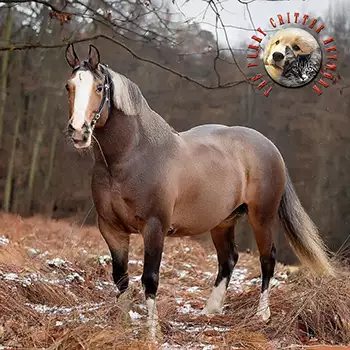
The Danish Warmblood presents as a large, elegant riding horse embodying modern sport horse ideals refined through decades of selective breeding. Standing typically between 15.2 and 17 hands, with most individuals falling in the 16 to 16.2 hand range, these horses combine substantial size with the lightness and elasticity essential for upper-level dressage and the scope required for competitive jumping.

The head is defined and expressive, showing the Thoroughbred influence evident throughout the breed's development. A kind eye and good-sized nostrils contribute to an attractive, quality appearance. The refined head connects through a clean throatlatch to a long, muscular neck that rises elegantly from well-defined withers. The neck's length and carriage facilitate the elevated frame desired in modern dressage.

The shoulder is long and sloping, enabling the freedom of movement and length of stride that characterize superior dressage horses while supporting the mechanics of jumping. Well-defined withers provide appropriate saddle placement and anchor the muscles supporting head and neck carriage. The back is short and strong, connecting powerful hindquarters to the front end without excessive length that would compromise collection.

Hindquarters display the depth and muscular development necessary for the engagement and impulsion that drive advanced movements. The croup has adequate length without excessive slope, and the tail is well set and carried naturally. Strong limbs with clean joints and adequate bone support athletic demands without excessive heaviness. The chest is wide and deep, providing heart and lung room for sustained athletic effort.

Movement distinguishes Danish Warmbloods, with breeding specifically selecting for expressive, elastic gaits with natural suspension and rhythm. The walk should be pure and ground-covering, the trot display elevation and cadence, and the canter demonstrate natural balance with uphill tendency. These qualities, while partially trainable, reflect genetic selection that gives Danish Warmbloods their competitive advantages in dressage.

All colors occur within the breed, though bay predominates. Black, brown, chestnut, and gray appear regularly. White markings vary from minimal to substantial without affecting registration eligibility. The coat is practical rather than flashy, with quality and sheen reflecting overall health rather than particular breeding emphasis on color.

Riding Suitability
Danish Warmbloods are purpose-bred riding horses excelling in dressage and show jumping at all levels. Their expressive gaits and natural balance make them outstanding dressage prospects, while their scope and careful technique suit jumping careers. They are best suited for intermediate to advanced riders who can develop their considerable talents.
Temperament
Danish Warmbloods display the willing, trainable temperaments essential for competitive success, combining spirit with cooperativeness. They possess the courage and competitive drive needed for high-level sport while remaining manageable for dedicated amateur riders. Individual temperaments vary based on bloodlines and training.
Activity Level
As purpose-bred sport horses, Danish Warmbloods have energy levels suited to regular training and competition. They require consistent exercise programs that develop their athletic capabilities while maintaining mental freshness. Their activity needs match those of other performance warmbloods rather than pleasure or leisure horses.
Space Requirements
Danish Warmbloods require substantial space appropriate for large sport horses standing up to 17 hands. Two to three acres per horse provides adequate turnout, while stalls should measure at least 12x12 feet. Their athletic careers benefit from access to quality arenas and training facilities beyond basic housing.
Grooming Requirements
Danish Warmbloods have practical coats requiring standard sport horse grooming for health and appearance. Show preparation involves thorough bathing, mane braiding, and coat conditioning appropriate to the discipline. Daily grooming maintains coat health while providing opportunities for health assessment and handler bonding.
Climate Adaptability
Developed in Denmark's northern European climate, Danish Warmbloods handle cold conditions well and adapt reasonably to varied environments. They adjust to warmer climates with appropriate management, though extreme heat requires careful attention to work scheduling and cooling. Their adaptability supports successful breeding worldwide.
Health Hardiness
Danish Warmbloods share the general health profile of European warmbloods, with athletic careers creating certain management considerations. Joint health requires attention given the demands of dressage and jumping. Some bloodlines carry genetic conditions common to warmblood breeds, making health history important in purchasing decisions.
Feed Management
Danish Warmbloods in regular work require performance-level nutrition supporting athletic development and competition demands. Quality forage supplemented with appropriate concentrates fuels training programs. Individual metabolism varies, requiring personalized feeding approaches that maintain condition without excess weight that impairs performance.

Temperament

Danish Warmblood temperament balances the spirit and courage necessary for competitive excellence with the trainability and cooperativeness that enable systematic development. Breeding selection emphasizes horses that want to work, displaying willing attitudes toward training demands while maintaining enough fire to perform under competitive pressure. This balance distinguishes successful sport horses from those too dull or too hot for upper-level work.

Intelligence characterizes the breed, manifesting in quick learning, pattern recognition, and genuine engagement with training challenges. Danish Warmbloods typically understand what's being asked relatively quickly, though their sensitivity means incorrect training creates problems as readily as correct training produces progress. They respond best to skilled riders who provide clear, consistent direction.

The willingness that defines Danish Warmblood temperament appears as desire to cooperate with reasonable requests rather than passive acceptance of any handling. These horses engage with their work and their riders, creating partnerships rather than simply following commands. This engagement makes them rewarding to train but also means they may resist handlers who lack the skill to earn their respect.

Competitive fire emerges under show conditions in well-bred Danish Warmbloods, with many horses appearing to rise to occasion when entering arenas. This showmanship quality, difficult to define but recognizable to experienced horsemen, separates horses that merely perform their movements from those that perform their movements with brilliance. Breeding programs seek to produce horses with presence that commands attention.

Individual temperament variation exists within the breed, influenced by specific bloodlines, early handling, and training experiences. Some Danish Warmbloods suit amateur riders comfortably, while others require professional management. Purchasing decisions should include temperament evaluation specific to the individual horse rather than assumptions based on breed generalizations.

Sensitivity levels in Danish Warmbloods typically exceed those of draft-influenced horses while falling below Thoroughbred reactivity. They notice environmental changes and respond to rider tension but generally without explosive reactions. This middle ground suits the precision demands of dressage, where horses must respond to subtle aids without overreacting to arena stimuli.

Social behavior follows typical warmblood patterns, with Danish Warmbloods integrating into herd situations and forming bonds with regular handlers. They generally appreciate attention and interaction without becoming excessively dependent. Management should provide appropriate social contact while maintaining the focus necessary for athletic development.

Facilities & Management

Housing Danish Warmbloods requires facilities appropriate for large sport horses engaged in regular training and competition. These substantial athletes need adequate space for comfortable movement in stalls and turnout areas, combined with access to suitable training environments. Investment in appropriate facilities supports the athletic development that justifies Danish Warmblood acquisition.

Stalls should measure at least 12x12 feet, with 12x14 feet preferred for larger individuals and breeding stallions. Ceiling heights should allow comfortable movement without risk of head contact. Quality footing, adequate ventilation, and appropriate lighting support both health and the routine care that performance horses require. Many Danish Warmbloods spend significant time in stalls during competition seasons, making stall environment particularly important.

Turnout space of two to three acres per horse provides adequate grazing and exercise opportunity. Daily turnout benefits both physical and mental health, though competition schedules may limit turnout during intensive training or show periods. Safe fencing appropriate for valuable horses protects against injury that could derail competitive careers. Group turnout works for many Danish Warmbloods given their generally sensible temperaments.

Training facilities significantly impact Danish Warmblood development, as producing competitive dressage or jumping horses requires appropriate arena environments. Access to standard-sized dressage courts (20x60 meters) or jumping arenas with proper footing enables systematic training. Indoor facilities extend training seasons in climates with harsh winters or hot summers.

Mirrors in training arenas help riders assess movement and position that affect Danish Warmblood development. Video equipment supports training analysis that identifies areas for improvement. These investments, while not essential, optimize the systematic training approach that produces competitive results from Danish Warmblood potential.

Travel capability matters for competition participation, as Danish Warmbloods typically compete regularly throughout their careers. Trailer or van access enables show attendance, while horses develop comfort with travel through appropriate exposure. Regular competition experience is part of developing competitive temperament in horses bred for the ring.

Veterinary infrastructure supporting performance horse care should be accessible, as Danish Warmbloods in training benefit from regular monitoring and prompt attention to developing issues. Relationships with veterinarians experienced in sport horse medicine enable the proactive management that protects athletic careers.

Daily management includes thorough grooming that supports coat health while providing opportunity to identify any physical issues. The attention performance horses require exceeds that for pleasure horses, with careful monitoring of soundness, condition, and attitude guiding training decisions. Quality care correlates directly with competitive results in horses whose success depends on optimal physical condition.

Feeding & Nutrition

Danish Warmblood nutrition must support the athletic development and competition demands that define these purpose-bred sport horses. Feeding programs balance energy provision for substantial workloads against weight management that affects both performance and soundness. The systematic approach to breeding that characterizes Danish Warmbloods should extend to their nutritional management.

Quality forage provides the nutritional foundation, with grass hay meeting baseline requirements for most individuals. Danish Warmbloods typically consume 1.5-2% of body weight in forage daily, translating to 17-28 pounds for a 1,200-pound horse. Hay quality significantly impacts overall nutrition and should be evaluated through analysis for performance horses. Higher-quality immature grass hay or grass-alfalfa mixes support horses in heavy work.

Concentrate feeds become necessary for Danish Warmbloods in regular training, providing energy beyond forage alone supplies. Commercial sport horse feeds offer balanced nutrition when fed according to guidelines. Many trainers favor feeds emphasizing fat and fiber over starch, supporting sustained energy release and digestive health. Individual requirements vary based on metabolism, workload, and body condition.

Protein requirements for Danish Warmbloods in work typically range from 10-14% of total diet depending on age and training intensity. Young horses building muscle benefit from higher protein levels, while mature horses in maintenance may need less. Quality protein sources including alfalfa and commercial feeds designed for performance horses meet these needs when properly balanced.

Fat supplementation provides concentrated calories without the digestive risks associated with high-starch feeds. Oils including corn, soybean, and rice bran add energy density while potentially benefiting coat quality. Fat calories digest efficiently and provide sustained energy supporting the endurance component of dressage tests and jumping rounds.

Electrolyte supplementation supports Danish Warmbloods during intensive training and competition, particularly in warm conditions. Sweating during work depletes sodium, chloride, potassium, and other minerals that electrolyte products replace. Chronic electrolyte deficiency impairs performance and recovery, making appropriate supplementation important for competitive horses.

Joint support supplements are commonly fed to Danish Warmbloods as preventive support for joints stressed by athletic work. Products containing glucosamine, chondroitin, and hyaluronic acid aim to support cartilage health, though evidence for oral supplements remains debated. Many trainers consider joint support standard practice regardless of scientific certainty.

Feeding timing around work affects both performance and digestive health. Horses should not work immediately after large grain meals, as exercise during digestion increases colic risk. Hay can be fed more freely, though some trainers limit pre-competition feeding to avoid gut fill that might affect movement or comfort.

Danish Warmblood Health & Lifespan

Danish Warmbloods share the general health profile of European warmblood breeds, combining fundamental soundness with certain considerations related to their athletic careers and breeding selection. Proactive health management protects the significant investment these horses represent while supporting the competitive careers for which they were bred. Understanding breed-relevant health factors guides appropriate preventive care.

Danish Warmbloods managed with appropriate attention to their athletic demands typically enjoy long, productive careers spanning into their late teens or early twenties. The investment these horses represent justifies comprehensive preventive care that protects both competitive potential and long-term soundness. Many Danish Warmbloods transition successfully to lighter work after competitive retirement, providing additional years of enjoyment for owners who have managed their health thoughtfully.

Common Health Issues

  • Osteochondrosis dissecans - OCD, affects some Danish Warmblood juveniles, causing cartilage and bone abnormalities in developing joints. Radiographic screening identifies affected horses, and surgical intervention can address many lesions. Breeding programs increasingly select against OCD prevalence.
  • Gastric ulcers develop in Danish Warmbloods as in other performance horses - With training stress, travel, and competition schedules contributing to ulcer risk. Feeding management emphasizing frequent forage access and appropriate pre-competition care reduces incidence.
  • Polysaccharide storage myopathy - PSSM, occurs in some warmblood lines, causing muscle problems that affect performance. Dietary management emphasizing fat over starch and consistent exercise helps control symptoms in affected horses. Genetic testing identifies carriers.
  • Kissing spines and other back problems may develop in horses performing collected work - With the demands of upper-level dressage stressing spinal structures. Proper training progression and appropriate saddle fit help prevent these problems.
  • Tendon and ligament injuries occur in horses performing jumping or intensive flatwork - With repetitive stress potentially causing strain or tears. Appropriate conditioning, footing management, and rest between intensive efforts protect soft tissue structures.
  • Navicular syndrome appears in some warmblood populations - Causing heel pain that significantly impacts performance. Conformational selection and appropriate farrier care reduce risk, while early detection enables management before irreversible damage occurs.

Preventive Care & Health Monitoring

  • Pre-purchase examinations including radiographs identify existing conditions before investment - With OCD screening particularly important for young horses. Comprehensive vettings protect buyers while providing baseline information for ongoing management.
  • Regular veterinary examinations including lameness evaluation catch developing problems early - Performance horse veterinarians familiar with competitive demands provide appropriate specialized care for Danish Warmbloods in training.
  • Dental care every 6-12 months maintains the comfortable mouth necessary for acceptance of contact and bit responsiveness - Sharp points and uneven wear affect training progress if not addressed.
  • Farrier care every 5-6 weeks maintains balanced feet that support soundness during demanding athletic work - Quality farrier relationships are essential for horses whose careers depend on remaining sound.

Training & Handling

Training Danish Warmbloods capitalizes on their purpose-bred athletic ability and trainable temperaments to produce competitive dressage and jumping horses. The systematic breeding approach that created the breed supports systematic training approaches that develop inherited potential into demonstrated capability. Success requires skilled riders who understand the progression from young horse to competitive athlete.

Foundation training establishes the balance, rhythm, and responsiveness that underpin later specialization. Young Danish Warmbloods learn to accept rider weight, respond to basic aids, and move forward freely before systematic development of specific skills begins. This foundation work, often conducted by professionals, creates the base upon which competitive training builds.

Dressage development follows classical training progression through the levels, systematically developing the collection, extension, and lateral movements that comprise competitive tests. Danish Warmbloods' breeding for expressive movement provides natural advantages, but training must develop strength, coordination, and understanding without damaging natural brilliance through excessive drilling or improper technique.

Jumping training develops Danish Warmbloods' natural scope and careful technique through progressive gymnastic work. Grid exercises build strength and coordination while teaching horses to assess distances and adjust approach. Course work develops the strategies and mental approach that separate competent jumpers from competitive ones.

The willingness that characterizes Danish Warmblood temperament responds to training approaches that engage horses as partners rather than merely requiring compliance. Clear communication, appropriate rewards, and varied work maintain the enthusiasm that distinguishes excellent performances from merely correct ones. Horses drilled excessively or managed harshly lose the spark that makes them competitive.

Rider skill significantly impacts Danish Warmblood development, as these sensitive horses respond to both correct and incorrect riding. Professional training for both horse and rider typically produces better results than amateur efforts alone, particularly for horses intended for upper-level competition. Investment in quality instruction pays dividends throughout competitive careers.

Competition exposure should begin appropriately, introducing young horses to show environments without overwhelming them. Successful show careers require horses comfortable in competition atmospheres, capable of performing despite distractions and maintaining focus under pressure. This competitive temperament develops through positive early show experiences.

Mental management matters as much as physical development for Danish Warmbloods, who may become sour if overtrained or anxious if underexposed to competition demands. Trainers must balance progressive work that develops capability with variety and rest that maintains freshness. The goal is horses that enter the ring eager to perform rather than dreading the demands.

Suitability & Considerations

Danish Warmbloods suit riders with competitive ambitions in dressage or show jumping, providing the athletic talent and trainability necessary for upper-level success. These purpose-bred sport horses represent significant investment that makes most sense for those planning serious competitive involvement. However, Danish Warmbloods also serve amateur competitors and pleasure riders who appreciate their quality and movement.

Competitive suitability divides between dressage and jumping specialization, with modern breeding programs increasingly focusing on one discipline or the other. Prospective buyers should identify their competitive goals before selecting horses, as bloodlines bred specifically for dressage may lack jumping scope while jumping-bred horses may not possess optimal dressage movement. Some versatile individuals suit eventing or multiple disciplines.

Rider experience requirements typically favor intermediate to advanced horsepersons who can develop Danish Warmblood potential effectively. These sensitive, athletic horses respond to skilled riding with brilliant performance but may confuse or frustrate inexperienced riders unable to provide clear direction. Professional training support benefits all but the most experienced amateur riders.

Amateur suitability exists within the breed, as not all Danish Warmbloods possess elite competitive potential. Horses with good temperaments and moderate talent serve dedicated amateurs pursuing lower-level competition or simply enjoying quality riding horses. These individuals may be available at prices below those commanded by top competition prospects.

Financial considerations for Danish Warmblood ownership include substantial initial investment and ongoing costs appropriate for performance horses. Quality young prospects typically command $20,000-$50,000, with trained competition horses ranging considerably higher based on show records and remaining career potential. Ongoing costs including quality board, training, veterinary care, and competition expenses significantly exceed those for pleasure horses.

Geographic availability varies, with Danish Warmbloods most common in Europe but increasingly available in North America through importation and domestic breeding. The North American Danish Warmblood Association, formed in 2001, promotes the breed in the United States, though population remains smaller than in Europe. Importation adds costs but provides access to the full range of Danish breeding.

Career longevity for Danish Warmbloods typically extends from starting under saddle around age three or four through competitive retirement in the mid-to-late teens, with some horses competing successfully into their twenties. Many continue in lighter work after competitive retirement, providing additional years of enjoyment. This extended useful life partially offsets high initial investment.

Breeding opportunities exist for those interested in producing Danish Warmbloods, though success requires understanding of warmblood breeding principles and access to approved stallions. The open studbook means quality horses from other breeds may be registered if they pass inspection, providing pathway for breeders developing programs. Stallion approval processes ensure only superior horses influence the breed's future.