
Nutritional Needs

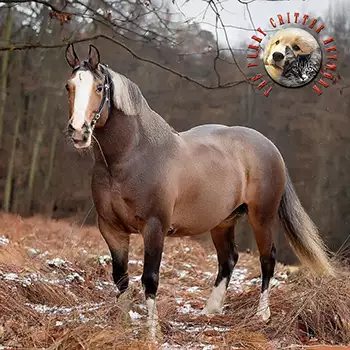
The Danish Warmblood is a large, athletic sport horse that demands a carefully balanced diet to support both its frame and its workload. These horses typically weigh between 1,100 and 1,400 pounds and carry significant muscle mass, which means their caloric and protein requirements are higher than those of many lighter breeds. A foundation of quality forage — hay or pasture — should make up the majority of the daily diet, generally around 1.5 to 2 percent of body weight per day in dry matter.

Because Danish Warmbloods are frequently trained for demanding disciplines like dressage, show jumping, and eventing, their energy requirements shift considerably based on training intensity. A horse in light work may do well on forage alone with a ration balancer, while one competing at upper levels will need a concentrated feed source to meet elevated caloric demands without overloading the digestive system. Fat and fiber-based energy sources tend to be safer and more sustainable than feeds relying heavily on starch and sugar.

Protein quality matters as much as quantity for this breed. Growing Danish Warmbloods and those in heavy training benefit from feeds that supply essential amino acids — particularly lysine, methionine, and threonine — which support muscle development, tissue repair, and topline condition. Inadequate protein quality can lead to poor muscling even when total protein intake appears sufficient on paper.

Minerals and vitamins round out the nutritional picture. Calcium-to-phosphorus ratios should stay in the range of 1.5:1 to 2:1, and horses in work often need additional electrolytes, especially in warm climates or during intense training blocks. Selenium and vitamin E are particularly important for muscle health, though regional soil content affects how much supplementation is necessary.

What to Look For

When choosing feed products for a Danish Warmblood, start with the guaranteed analysis on the feed tag. Look for feeds that list their fiber sources, fat content, and protein levels clearly, and avoid products that rely on vague ingredient descriptions. A quality concentrate for a sport horse will typically provide 12 to 14 percent protein, moderate fat (6 percent or above for performance feeds), and controlled starch and sugar levels — ideally below 20 percent combined non-structural carbohydrates.

Ingredient lists matter. Feeds that use identifiable components like beet pulp, soybean meal, flaxseed, and stabilized rice bran are generally preferable to those built around grain mill by-products and filler ingredients. The order of ingredients reflects their proportion in the formula, so the first few items on the list tell you the most about what your horse is actually consuming.

Consider the form of the feed as well. Pelleted feeds offer consistency in every bite, while textured feeds with visible grains can encourage slower eating but may allow horses to sort through and leave less palatable components. Extruded feeds are highly digestible but tend to be more expensive. The right choice depends partly on your horse's eating habits and partly on how precisely you need to control nutrient intake.

Finally, pay attention to how the feed fits into the total diet. No concentrate should be evaluated in isolation — it needs to complement the forage base, any supplements being used, and the horse's actual caloric needs. Over-feeding concentrates to make up for poor-quality hay is a common and costly mistake that can lead to digestive upset, obesity, or metabolic stress.

Recommended Dry Feed

For Danish Warmbloods in moderate to heavy work, a performance-oriented pelleted or extruded feed designed for sport horses is usually the best foundation. These feeds are formulated to deliver sustained energy through fat and fermentable fiber rather than quick-burning starches, which helps maintain an even temperament and steady energy levels throughout training sessions and competition days.

Horses in lighter work or those maintaining weight easily may do better on a ration balancer — a low-calorie, nutrient-dense pellet that supplies vitamins, minerals, and amino acids without adding significant calories. Ration balancers are an efficient way to fill nutritional gaps when forage quality is good and the horse simply doesn't need the energy from a full-rate concentrate feed.

For growing Danish Warmbloods, choose a feed specifically designed for developing horses. These formulations provide controlled energy along with the elevated mineral levels — particularly calcium, phosphorus, copper, and zinc — that support sound skeletal development. Rapid growth in warmblood breeds can predispose young horses to developmental orthopedic issues, so feeds that promote steady, moderate growth rates are strongly preferred over high-energy options that push rapid weight gain.

Senior Danish Warmbloods with dental issues or declining digestive efficiency benefit from complete feeds that can partially or fully replace hay. These products are typically high in fiber and designed to be soaked, creating a mash that is easy to chew and digest. They ensure that older horses continue to receive adequate nutrition even when they can no longer process long-stem forage effectively.

Wet & Fresh Options

Soaked feeds and mashes serve multiple purposes for Danish Warmbloods. Beyond their role as senior horse diets, beet pulp — soaked before feeding — is an excellent way to add digestible fiber, moderate calories, and significant water intake to the diet. It can be fed plain or mixed with the daily concentrate to slow eating speed and increase hydration, which is especially valuable for horses that are reluctant drinkers or those recovering from digestive disturbances.

Fresh forage from well-managed pasture is arguably the most natural and complete feed source available. Pasture grasses provide not only nutrition but also mental enrichment and the opportunity for continuous low-level movement, both of which benefit the Danish Warmblood's overall well-being. However, pasture quality varies enormously by season, region, and management practices, so it should be monitored and supplemented accordingly rather than assumed to be nutritionally complete.

Hay alternatives like haylage or wrapped forage can be useful for Danish Warmbloods with respiratory sensitivities, as these products contain less dust and mold than dry hay. They tend to be higher in moisture and sometimes higher in energy, so feeding amounts may need to be adjusted downward compared to dry hay. Quality control is critical with fermented forages — improperly sealed bales can harbor dangerous bacteria.

Chopped or cubed hay products offer another option for horses that bolt their feed or need a forage source that's easier to manage in travel situations. These processed forages maintain much of the nutritional value of long-stem hay while being more compact and consistent in quality. They do not fully replace the dental and digestive benefits of long-stem forage, so they are best used as a supplement rather than a sole forage source.

Treats & Supplements

Treats for Danish Warmbloods should be chosen with the same care as primary feed. Commercial horse treats are convenient but vary widely in sugar content and ingredient quality. Look for options that use wholesome ingredients like oats, flax, and dried fruits rather than those loaded with molasses and artificial flavors. Simple whole foods — carrots, apples cut into manageable pieces, and small handfuls of plain oats — remain among the safest and most appreciated treat choices.

Joint supplements are particularly relevant for Danish Warmbloods given their athletic careers and the physical demands of upper-level competition. Products containing glucosamine, chondroitin sulfate, hyaluronic acid, and MSM are widely used to support joint health and comfort. The evidence base for these ingredients varies, but many owners and veterinarians report observable benefits, especially when supplementation begins early and continues consistently.

Hoof supplements built around biotin, zinc, methionine, and copper can support hoof quality in Danish Warmbloods, particularly those with soft or slow-growing hooves. Results from hoof supplements typically take six to nine months to become visible, since the supplement only affects new horn growth. Consistency and patience are essential.

Digestive supplements including prebiotics, probiotics, and yeast cultures may benefit horses that experience loose stools, are on antibiotic therapy, or undergo frequent stress from travel and competition. Hindgut buffers can also be useful for horses on high-concentrate diets, helping to maintain a healthy pH in the cecum and large intestine. As with all supplements, consult with a veterinarian or equine nutritionist before adding multiple products to avoid interactions and unnecessary expense.

Foods to Avoid

Certain foods pose serious risks to Danish Warmbloods and should never be offered regardless of circumstance. Lawn clippings top the list — they ferment rapidly and can cause fatal colic or laminitis within hours of ingestion. Plants from the nightshade family, including tomatoes and potatoes, contain solanine and other toxic alkaloids. Avocado, chocolate, and anything containing caffeine are also dangerous and should be kept well away from feed areas.

High-sugar and high-starch feeds deserve careful management even when they aren't outright toxic. Danish Warmbloods, like many warmblood breeds, can be prone to metabolic sensitivity, and excessive sugar and starch intake increases the risk of laminitis, insulin dysregulation, and hindgut acidosis. Sweet feeds with heavy molasses coatings and grain-heavy rations without adequate forage are common culprits.

Moldy or dusty hay is a persistent hazard in equine nutrition. Mold produces mycotoxins that can damage the liver, suppress immune function, and cause respiratory illness. Hay that smells musty, appears discolored, or feels warm to the touch should be discarded entirely — not simply sorted through or soaked. The cost of replacing a questionable bale is trivial compared to the veterinary bills that follow from feeding contaminated forage.

Finally, be cautious about well-meaning offerings from visitors or barn mates who may not understand equine dietary restrictions. Bread, dog treats, cattle feed containing ionophores like monensin, and various human snack foods find their way into horse barns with surprising frequency. Ionophore toxicity in particular is often fatal in horses, so cattle and horse feeds must be stored and handled separately at all times.

Feeding Schedule

Danish Warmbloods thrive on consistent feeding schedules that align with their digestive physiology. The equine stomach is relatively small and designed for continuous grazing, so dividing the daily ration into multiple smaller meals is far safer than offering one or two large feedings. For horses on concentrate feeds, a minimum of two meals per day is standard, with three being preferable for horses consuming larger amounts.

Forage should be available for the majority of the day. Extended periods without forage — more than four to six hours — allow stomach acid to accumulate and increase the risk of gastric ulcers, a condition to which sport horses are already predisposed due to training stress and travel. Slow-feed hay nets are an effective tool for extending forage availability without dramatically increasing total consumption.

Timing around exercise matters. Avoid feeding large concentrate meals within two hours before intense work, as a full stomach can compromise respiratory function and divert blood flow away from working muscles. A small amount of hay before exercise is beneficial, however, as it provides a fiber mat in the stomach that helps buffer acid during movement. Post-exercise feeding should wait until the horse has cooled down and its heart rate has returned to normal.

Water is the most critical and most frequently overlooked component of the feeding schedule. A Danish Warmblood in moderate work may drink 10 to 15 gallons per day, and that requirement increases significantly in hot weather or during heavy training. Fresh, clean water should be available at all times, and intake should be monitored — a sudden decrease in water consumption is often the earliest sign of illness or impending colic.

Always consult a qualified professional before making any health-related decisions. This content is provided for informational reference only and should not replace professional guidance specific to your animal.