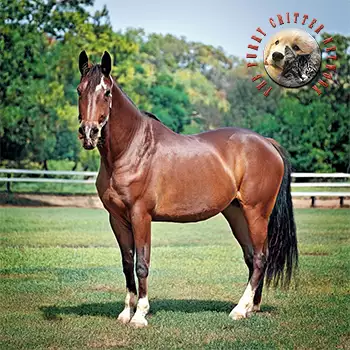
The ideal sport horse combines the athleticism for demanding competitive disciplines with the conformation enabling soundness through intensive careers. While specific ideals vary somewhat by discipline—dressage horses trending larger and more uphill, jumpers emphasizing hindquarter power—certain qualities characterize successful sport horses across purposes.
Height typically ranges from 15.2 to 17.2 hands, with most competitive sport horses falling between 16 and 17 hands. Dressage horses often trend toward the taller end of this range, while some successful jumpers and eventers are more moderate in height. Weight generally falls between 1,100 and 1,400 pounds, proportional to height and build.
The head should reflect quality breeding with refined features, intelligent expression, and adequate size for the body without coarseness. Large, calm eyes suggest trainable temperaments, while well-set ears and clean throatlatches indicate breeding quality. Excessive heaviness or coarseness in the head detracts from the overall impression of quality.
Neck length and set significantly influence movement quality and self-carriage ability. Sport horses should display long, well-arched necks set appropriately into sloping shoulders, enabling the elevation and collection dressage demands and the freedom of shoulder needed for jumping. Short, thick necks or poor shoulder angles limit athletic potential.
The shoulder angle and length affect stride quality fundamentally. Well-angled, long shoulders produce the reaching, ground-covering movement earning high dressage marks and enabling smooth jumping approaches. Steep shoulders restrict movement and limit athletic potential regardless of other qualities.
The body displays adequate depth through the heart girth with well-sprung ribs providing lung capacity for sustained athletic effort. Backs should be strong and of medium length, coupling smoothly to well-angled hindquarters generating power for collection and jumping. Extremely long or weak backs create soundness vulnerabilities.
Hindquarters provide the engine for athletic performance, whether powering extended movements in dressage or generating takeoff for jumps. Strong, well-muscled quarters with appropriate angles produce the impulsion successful competition requires. Weak or poorly angled hindquarters limit athletic ceiling regardless of other qualities.
Legs must be correct enough for soundness through demanding careers. While minor imperfections exist in many successful horses, fundamental structural correctness supports the long competitive careers that maximize athletic investment. Dense bone, clean joints, and proper angles characterize legs capable of sustained athletic effort.
Movement quality distinguishes sport horses from other types. Ground-covering gaits with natural suspension, elasticity, and expression at all three gaits indicate athletic potential. The walk should be marching and purposeful, the trot elastic with natural suspension, and the canter balanced with clear three-beat rhythm.
Riding Suitability
★★★★★
Sport horse suitability varies enormously by individual breeding, training, and temperament. Purpose-bred competition horses may suit only experienced riders, while amateur-friendly types exist within most registries. Matching horse to rider skill level matters more than any generalization about the type.
Temperament
★★★★★
Sport horse temperaments range from calm, trainable individuals through sensitive, hot types requiring expert handling. Modern breeding increasingly emphasizes rideability alongside athletic ability, though significant variation exists. Evaluating individual temperament matters more than breed generalizations.
Activity Level
★★★★★
Most sport horses display moderate-to-high activity levels reflecting their breeding for athletic performance. They typically require regular work for physical and mental wellbeing, thriving with consistent training programs. Insufficient exercise may create behavioral challenges in horses bred for activity.
Space Requirements
★★★★★
Sport horses thrive with standard equine accommodations of 1-2 acres per horse for turnout, plus access to appropriate training facilities. Many live in professional boarding environments providing arena access and expert management. Space needs match typical large horses regardless of specific breeding.
Grooming Requirements
★★★★★
Sport horses require standard grooming appropriate to their coat type and competitive activities. Show preparation varies by discipline—dressage demands meticulous presentation while jumpers need only neat turnout. Daily grooming maintains coat health and provides handler-horse bonding opportunities.
Climate Adaptability
★★★★★
European-bred sport horses generally handle varied climates reasonably well, with cold tolerance typically exceeding heat tolerance. International competition requires travel adaptability across climate zones. Individual tolerance varies by specific breeding background and acclimatization.
Health Hardiness
★★★★★
Sport horse health reflects both breeding backgrounds and athletic demands. Purpose-bred performance horses may face different challenges than traditionally bred types. Athletic careers create wear requiring proactive management. Overall hardiness varies by bloodline and individual constitution.
Feed Management
★★★★★
Sport horse nutrition must support athletic demands while maintaining appropriate weight and behavior. Individual metabolic tendencies vary—some maintain weight easily while others need significant calories. Feeding programs should address specific horses' needs rather than type generalizations.