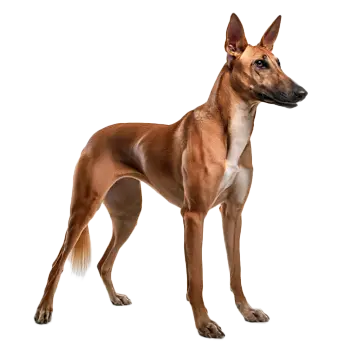

Activity & Health Monitors

Activity monitors designed for dogs provide valuable data about your Azawakh's daily movement patterns, rest quality, and overall health trends. These devices typically attach to the collar or harness and use accelerometers and other sensors to track steps, active minutes, distance traveled, calories burned, and sleep duration. For the Azawakh, which naturally alternates between intense bursts of activity and long rest periods, having objective data helps owners understand whether their dog is getting adequate exercise or if changes in behavior warrant veterinary attention.

The most useful feature of health monitors for the Azawakh is the ability to establish a baseline activity profile and then detect deviations from that norm. A sudden drop in activity or restlessness during sleep can be early indicators of pain, illness, or injury that the stoic Azawakh might not otherwise show. Many devices send alerts to your smartphone when they detect significant changes, giving you a head start on identifying and addressing health issues before they become serious.

When selecting a monitor, consider the device's size and weight relative to the Azawakh's slim neck and collar. Bulky, heavy devices can be uncomfortable and may shift around on a narrow martingale collar. Look for lightweight, low-profile units that sit flush against the collar without bouncing or dangling. Waterproof ratings are important since the device will be exposed to rain, puddles, and the occasional swim, and battery life should ideally last at least a week between charges to minimize the hassle of frequent removal.

Data integration with veterinary records is an emerging feature worth considering. Some platforms allow you to share activity and health data directly with your veterinarian, creating a longitudinal record that provides context during wellness exams and sick visits. This is particularly valuable for the Azawakh, a breed that can mask pain and discomfort, making objective data a critical complement to physical examination.

GPS & Location Tracking

GPS tracking is arguably the single most important tech investment for an Azawakh owner. This breed's combination of extreme speed, high prey drive, and ability to clear tall fences makes escape a real and recurring risk. A GPS tracker attached to the collar provides real-time location data that can mean the difference between recovering your dog in minutes and searching for days. When an Azawakh decides to run, it can cover miles in the time it takes you to reach your car.

Real-time tracking with cellular connectivity is the gold standard. Devices that rely on Bluetooth alone have limited range and are only useful for finding a dog that is nearby — which is rarely the scenario when an Azawakh escapes. Cellular-connected trackers use LTE or similar networks to transmit the dog's location to your phone from virtually anywhere with cell coverage. Most of these devices require a monthly subscription for the cellular service, which is a modest investment relative to the value of the protection they provide.

Geofencing is a feature that pairs naturally with the Azawakh's escape tendencies. You define a virtual boundary around your home, yard, or any other area, and the device sends an immediate alert to your phone if the dog crosses that boundary. This early warning system gives you crucial minutes to respond before the dog has traveled a significant distance. Some trackers allow multiple geofence zones, which is useful if the dog regularly visits different locations like a training facility, a friend's yard, or a vacation property.

Device durability and attachment security deserve careful evaluation. The tracker must be firmly attached to a collar that cannot slip off the Azawakh's narrow head. Mounting it on a martingale collar with a secure clip or integrated sleeve is the safest approach. The device itself should be impact-resistant and waterproof, capable of surviving the rigors of a sighthound running through brush, splashing through streams, and crashing into objects during a full-speed chase. Battery life varies widely between products, so prioritize trackers that last at least three to five days on a single charge under normal use.

Smart Feeders & Water

Smart feeders offer precise portion control and scheduled meal delivery, both of which are valuable for managing the Azawakh's dietary needs. Programmable feeders dispense exact amounts of kibble at predetermined times, ensuring consistent meal timing even when you are away from home or running late. For the Azawakh, which thrives on routine and can become anxious when mealtimes are unpredictable, automated feeding provides reassuring consistency.

Portion accuracy is the primary advantage of a smart feeder over manual feeding. The Azawakh's lean build means that even small caloric excesses accumulate over time, and eyeballing portions introduces variability that can lead to gradual weight gain or loss. Smart feeders calibrated to dispense precise gram or cup measurements eliminate this guesswork. Some models include built-in scales that weigh each portion before dispensing, providing the highest level of accuracy.

Smart water fountains encourage hydration by providing a continuous flow of filtered water. Many dogs, including Azawakhs, prefer moving water to a stagnant bowl, and a fountain can significantly increase daily water intake. Features to look for include multi-stage filtration that removes hair, debris, and chemical contaminants, quiet pump operation that will not startle a noise-sensitive Azawakh, and easy disassembly for regular cleaning. Stainless steel fountains are more hygienic than plastic models and resist the biofilm buildup that plastic surfaces are prone to.

Connectivity features in smart feeders and fountains provide peace of mind during absences. App-controlled feeders let you trigger an extra meal or adjust portion sizes remotely, and some models include cameras that let you watch your dog eat in real time. Water fountains with low-water alerts ensure you are notified before the reservoir runs empty. These features are convenient rather than essential, but for owners who travel or work long hours, the ability to monitor and adjust feeding remotely can meaningfully improve the dog's care.

Cameras & Home Monitoring

Pet cameras serve a dual purpose for Azawakh owners: monitoring the dog's behavior and well-being during absences, and providing peace of mind that the dog is safe and content. The Azawakh can develop separation anxiety, particularly if it is the only dog in the household, and a camera allows you to observe how the dog behaves when left alone. Signs of distress like pacing, whining, destructive chewing, or attempts to escape are best identified through direct observation rather than inferring from the aftermath.

Two-way audio is a feature that can either help or hinder, depending on the individual dog. Some Azawakhs are calmed by hearing their owner's voice through a speaker, while others become more agitated because they can hear the person but cannot find them. Test this feature during short absences to determine your dog's response before relying on it during longer periods away. If the dog reacts negatively, disable the audio and use the camera for visual monitoring only.

Treat-dispensing cameras add an interactive element that can reinforce calm behavior during alone time. When you see your Azawakh resting quietly on camera, you can remotely dispense a treat as positive reinforcement. Over time, this can help build the dog's confidence and association between being alone and receiving rewards. However, use this feature judiciously — constant treat dispensing can lead to the dog fixating on the camera and becoming anxious when treats stop, which defeats the purpose.

Camera placement should cover the areas where the dog spends the most time, typically the main living area and the dog's primary resting spot. Wide-angle lenses and pan-and-tilt capabilities provide better coverage than fixed-angle cameras. Night vision is essential for monitoring during evening hours and overnight. For homes with yards, outdoor cameras positioned to view the fence line and gate areas provide an additional layer of security and can alert you to fence integrity issues or escape attempts in progress.

Training Technology

Training technology for the Azawakh should be selected with the breed's sensitive temperament firmly in mind. This is not a breed that responds well to harsh corrections or aversive methods, and any technology that delivers pain, startle, or significant discomfort is likely to damage the dog's trust and worsen behavior rather than improve it. Positive reinforcement-based tools are the only appropriate choice for the Azawakh.

Remote treat dispensers designed for training sessions allow you to reward the dog at a distance, which is particularly useful for recall training and building independence. These devices can be placed at specific locations in the yard or training area and triggered from your phone or a remote control when the dog performs the desired behavior. For the Azawakh, which may not always be motivated to return to the handler for a treat, placing the reward at the destination can be more effective than calling the dog back to you.

Clicker training apps and electronic clickers provide consistent marker signals that help the Azawakh understand exactly which behavior earned the reward. While a traditional mechanical clicker works perfectly well, electronic versions offer adjustable volume and tone, which can be helpful for Azawakhs with noise sensitivity. Some apps also include training session logs and progress tracking, allowing you to identify patterns in learning speed and retention across different skills.

Automated training tools like motion-activated treat dispensers and interactive puzzle devices can supplement structured training sessions with self-directed learning. These products reward the dog for specific behaviors — stepping on a pad, pushing a button, or remaining in a designated area — without requiring the owner's direct involvement. For the independent Azawakh, this type of autonomous problem-solving is often more engaging than repetitive handler-directed drills, and it builds confidence while reinforcing desirable behaviors throughout the day.

Veterinary Telehealth

Veterinary telehealth platforms connect you with licensed veterinarians through video calls, phone consultations, or chat-based messaging, providing professional guidance without the stress and expense of an in-person visit for every concern. For the Azawakh, a breed that often finds veterinary clinic environments stressful, telehealth offers a way to address minor health questions, discuss behavioral concerns, and triage potential emergencies from the comfort of home.

Telehealth is most valuable for non-emergency situations that still warrant professional input. Questions about dietary adjustments, mild skin irritations, minor limping, unusual stool consistency, or behavioral changes can often be addressed through a video consultation. The veterinarian can visually assess the dog through your camera, ask targeted questions, and provide guidance on whether home management is appropriate or an in-person examination is needed. This saves time, reduces the dog's stress, and often costs less than a standard office visit.

Some telehealth platforms integrate with wearable health monitors, allowing the veterinarian to review activity data, heart rate trends, and sleep patterns during the consultation. This integration creates a more complete picture of the dog's health status than a brief in-person examination can provide, since the data reflects the dog's behavior in its natural environment rather than in the artificially stressful setting of a clinic. For the Azawakh, whose vital signs can be significantly affected by the anxiety of a veterinary visit, at-home data may be more representative of true baseline health.

Limitations of telehealth should be clearly understood. Physical examinations, diagnostic imaging, blood work, vaccinations, and surgical procedures all require in-person veterinary care. Telehealth cannot replace a hands-on assessment for serious or ambiguous symptoms, and any acute emergency — difficulty breathing, suspected bloat, trauma, seizures, or toxic ingestion — demands an immediate trip to the nearest emergency veterinary clinic. Use telehealth as a complement to regular in-person veterinary care, not a replacement for it.

Always consult a qualified professional before making any health-related decisions. This content is provided for informational reference only and should not replace professional guidance specific to your animal.