
Collars, Harnesses & Leashes

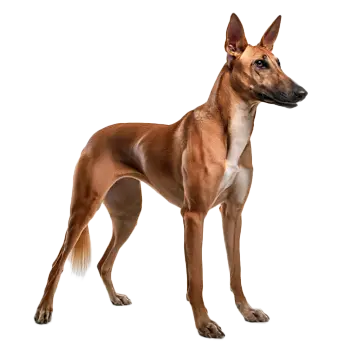
The Azawakh's unique neck and head proportions make collar selection critically important. This breed has a narrow, elongated head and a neck that is often wider than the skull, which means standard flat collars can slip off with alarming ease if the dog backs up or startles. Martingale collars — also called limited-slip or greyhound collars — are the go-to solution for sighthounds. These collars tighten gently when the dog pulls but have a built-in stop that prevents choking, making them both secure and humane.

Wide martingale collars designed specifically for sighthounds distribute pressure across a broader area of the neck, which is important for the Azawakh's delicate trachea and the thin skin that covers it. A collar width of 1.5 to 2 inches is ideal for most adults. Look for collars lined with soft fabric like satin or fleece on the interior to prevent chafing and hair loss. The Azawakh's short coat offers no buffer between the collar and skin, so material quality matters considerably.

Harnesses are an excellent alternative for daily walks, particularly for Azawakhs that pull or for use during training. A well-fitted harness distributes force across the chest and shoulders rather than concentrating it on the neck. For the Azawakh's deep chest and tucked abdomen, look for harnesses with multiple adjustment points that can accommodate the breed's unique torso shape. Avoid harnesses with straps that cross over the shoulders, as these can restrict the breed's natural reaching gait.

Leash selection depends on the activity. A standard six-foot leash made from leather, biothane, or woven nylon provides reliable control during walks. Retractable leashes are generally discouraged for sighthounds because the Azawakh can reach full sprint speed in seconds, and the sudden stop when the retractable line reaches its limit can cause neck or spinal injuries. For off-leash training in unsecured areas, a long line of 20 to 30 feet gives the dog freedom to explore while maintaining a safety connection.

Grooming Tools

The Azawakh's grooming needs are minimal compared to many breeds, but the right tools make the process more effective and comfortable for the dog. A soft rubber curry brush or grooming mitt is the primary tool for maintaining the short, fine coat. These tools remove loose hair, distribute natural skin oils, and provide a gentle massage that most Azawakhs enjoy. Stiff bristle brushes and wire slicker brushes are too harsh for the breed's thin skin and should be avoided.

Bathing should be infrequent — every six to eight weeks is typically sufficient unless the dog gets visibly dirty. The Azawakh's coat has a natural sheen that comes from skin oils, and over-bathing strips these oils and can lead to dry, flaky skin. Use a mild, hypoallergenic dog shampoo formulated for sensitive skin. Oatmeal-based shampoos are a popular choice for the breed, as they clean gently while soothing the skin.

Nail care is essential and often overlooked. The Azawakh's nails tend to grow quickly, and because the breed is relatively lightweight for its height, normal walking may not wear them down sufficiently. Overgrown nails alter foot mechanics, causing splayed toes and discomfort that can affect the dog's gait and long-term joint health. A quality pair of guillotine-style or scissor-style nail clippers works well, though many owners prefer a rotary grinding tool for a smoother finish and more control. Trim or grind nails every two to three weeks.

Dental hygiene rounds out the grooming routine. Daily tooth brushing with an enzymatic dog toothpaste is the gold standard for preventing tartar buildup and gum disease. If daily brushing is not practical, aim for at least three sessions per week and supplement with dental chews or water additives designed to reduce plaque. The Azawakh's narrow muzzle can make dental issues particularly uncomfortable, so proactive oral care prevents problems that are both painful and expensive to treat.

Bowls & Feeders

Bowl selection for the Azawakh should prioritize material quality and appropriate sizing. Stainless steel bowls are the most hygienic and durable option, resisting bacteria buildup, scratches, and staining. Ceramic bowls are an attractive alternative but must be checked regularly for cracks or chips in the glaze, which can harbor bacteria. Plastic bowls should be avoided, as they scratch easily, trap bacteria in the surface grooves, and can cause contact dermatitis in sensitive dogs, sometimes resulting in a loss of pigment on the nose and lips.

Bowl depth and diameter should match the Azawakh's long, narrow muzzle. Deep, narrow bowls allow the dog to reach food comfortably without pressing its face against the sides. Standard wide-and-shallow bowls designed for flat-faced breeds are unnecessary and can be awkward for a sighthound's eating posture. Some owners prefer tapered or conical bowls that naturally guide food toward the center.

Slow-feeder bowls with raised ridges or maze patterns are beneficial for Azawakhs that eat too quickly. Rapid eating increases the risk of bloat, which is a serious concern for any deep-chested breed. These bowls force the dog to work around obstacles to access each bite, extending meal duration and promoting better digestion. If your Azawakh resists using a slow feeder, scatter feeding on a snuffle mat achieves a similar effect.

Bowl placement and stand height have been debated in the context of bloat prevention. While elevated feeders were once widely recommended for tall breeds, more recent veterinary research has produced mixed results, with some studies suggesting elevated feeding may actually increase bloat risk in certain breeds. Discuss the appropriate feeding height with your veterinarian, and regardless of the decision, ensure bowls are placed on a non-slip surface to prevent the dog from chasing them across the floor during meals.

Travel Gear

Traveling with an Azawakh requires planning around the breed's physical proportions and temperament. For car travel, a crash-tested dog seat belt harness is the safest restraint option. Standard car harnesses often do not fit sighthounds well due to their deep chests and narrow waists, so look for products with extensive adjustability or those specifically designed for sighthound body types. Alternatively, a well-secured crate in the cargo area of an SUV or wagon provides safe containment during drives.

Car comfort is important for a breed with minimal body padding. The Azawakh will feel every bump in the road through a hard car floor, so provide a thick blanket or travel mat in the car for cushioning. Window shades are useful for preventing overheating during warm-weather travel and can also reduce visual stimulation that might cause anxiety in dogs that react to passing vehicles or pedestrians.

Air travel with an Azawakh requires advance preparation and careful carrier selection. Most adult Azawakhs are too large for in-cabin travel and must fly in the cargo hold. Choose an airline-approved hard-sided crate that meets IATA requirements, and ensure it is large enough for the dog to stand, turn around, and lie down comfortably. Acclimate the dog to the travel crate well in advance of the trip, and attach a water dish and frozen water bottle to the crate door for hydration during transit.

Portable travel accessories round out the kit. A collapsible water bowl, a small supply of the dog's regular food, waste bags, a familiar blanket or toy for comfort, and copies of vaccination records should be packed for any trip. For hotel stays, a lightweight travel bed gives the dog a familiar sleeping surface in an unfamiliar environment. Many Azawakhs are uneasy in new places, and having consistent comfort items can significantly reduce travel-related stress.

Safety & ID

Identification is non-negotiable for the Azawakh, a breed that can reach extraordinary speeds and cover vast distances in minutes if it escapes. Microchipping is the most reliable form of permanent identification and should be done during the puppy's first veterinary visits. Ensure the microchip is registered with current contact information and that the registration is updated whenever you move or change phone numbers. A microchip is useless if the database entry is outdated.

ID tags should be attached to every collar and harness the dog wears. Include your name, phone number, and the dog's name at minimum. Some owners add a secondary phone number or a note that the dog is microchipped. Tag materials range from basic stamped metal to durable laser-engraved stainless steel or silicone-encased tags that reduce jingling. Rivet-on or slide-on tag styles that sit flat against the collar are less likely to catch on objects or become unreadable from wear.

Reflective and high-visibility gear is essential for Azawakhs walked during dawn, dusk, or nighttime hours. The breed's slim silhouette and often dark coat coloration make it difficult for drivers to see. Reflective collars, leash attachments, and clip-on LED lights dramatically improve visibility. Reflective vests or bands that wrap around the dog's torso provide the most comprehensive coverage and are particularly important during off-leash exercise in low-light conditions.

Safety extends to the home environment as well. Baby gates and exercise pens can manage the Azawakh's access to areas of the home during puppyhood or when unsupervised. Window guards or screens should be secure enough to withstand the weight of a dog that leans against them, as the Azawakh's tendency to perch at windows creates a risk of falls from upper floors. Cabinet locks for cleaning supplies and medications, and secure trash can lids, round out a dog-proofed home.

Seasonal Gear

Winter gear is the most critical seasonal investment for the Azawakh owner. The breed's lack of body fat and thin coat make cold-weather protection a genuine health need. A high-quality winter coat with a fleece or sherpa lining, chest coverage, and a secure belly strap will keep the dog comfortable during outdoor activities in temperatures below 45 to 50 degrees Fahrenheit. Measure the dog carefully before purchasing, as the Azawakh's deep chest and narrow waist require a fit that many standard dog coats do not accommodate.

Dog boots or paw protectors serve double duty in winter, guarding against both cold pavement and the chemical ice-melting products commonly used on sidewalks and roads. These products can irritate or burn the paw pads on contact and are toxic if ingested during self-grooming. If boots are rejected by the dog — and many Azawakhs initially resist wearing them — paw wax or balm applied before walks creates a protective barrier. Always wipe paws with a damp cloth after winter walks to remove any residue.

Summer gear focuses on sun protection and cooling. Despite the breed's desert origins, domesticated Azawakhs with lighter coat colors or pink skin areas can sunburn during prolonged outdoor exposure. Lightweight UV-protective shirts designed for dogs provide coverage without overheating, and pet-safe sunscreen can be applied to the nose, ear tips, and any areas with thin hair coverage. Cooling vests that are soaked in water and worn during exercise help regulate body temperature on extremely hot days.

Rainy season gear is simple but makes walks far more pleasant. A waterproof dog raincoat keeps the Azawakh's thin coat from becoming soaked, which is important because a wet Azawakh chills quickly even in moderate temperatures. Look for raincoats with adjustable hoods that cover the head without obstructing vision and reflective strips for visibility on gray, overcast days. After any wet outing, dry the dog thoroughly with a towel, paying special attention to the chest, belly, and between the toes to prevent skin irritation.

Always consult a qualified professional before making any health-related decisions. This content is provided for informational reference only and should not replace professional guidance specific to your animal.