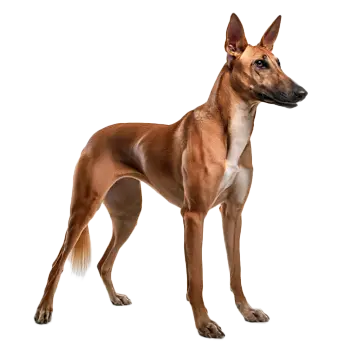

Play Style & Drive

Understanding the Azawakh's play style begins with recognizing that this is a sighthound, not a retriever. The breed was developed to chase and capture game across the open Sahel, and its play behaviors reflect that predatory sequence: scanning, stalking, chasing, and capturing. Unlike breeds that are motivated by repetitive fetch or tug games, the Azawakh is most engaged by activities that simulate the thrill of pursuit and the satisfaction of catching something that moves.

The Azawakh is also an independent thinker, which means it can lose interest in toys or games quickly if they become predictable. Variety and novelty are key to keeping this breed engaged. A toy that captivates the dog for a week may be ignored the following week, and this is normal behavior for the breed rather than a sign of a problem. Rotating toys in and out of availability helps maintain their appeal.

Play drive in the Azawakh tends to come in bursts. These dogs are sprinters, not marathon runners, and their play sessions often follow a pattern of intense activity followed by extended rest. Expecting an Azawakh to play continuously for 30 minutes is unrealistic and may lead to frustration for both dog and owner. Instead, plan for multiple short play sessions throughout the day, each lasting five to fifteen minutes, with plenty of downtime in between.

Social play with other dogs can be an excellent form of enrichment, particularly with other sighthounds that share a similar chase-and-dodge play style. The Azawakh often plays by running in wide arcs and engaging in shoulder bumps and hip checks rather than the rougher wrestling style common in bully breeds or herding dogs. Matching play partners appropriately ensures that play remains safe and enjoyable for all dogs involved.

Interactive & Puzzle Toys

Puzzle toys tap into the Azawakh's intelligence and provide mental stimulation that physical exercise alone cannot deliver. Food-dispensing puzzles are the most effective entry point, since the promise of a treat reward motivates even the most independent Azawakh to engage with the toy. Start with simple designs that require the dog to nudge or paw at compartments, and gradually increase the difficulty as the dog masters each level.

Snuffle mats and scatter-feeding setups appeal to the Azawakh's keen nose and foraging instincts. Hiding kibble or small treats in a textured fabric mat turns mealtime into a slow, mentally engaging activity. This approach also helps slow down fast eaters and provides a calm, focused activity that can settle an anxious or restless dog. Snuffle mats are easy to make at home from fleece strips tied to a rubber mat, or you can purchase commercially made versions in various sizes.

Slider and compartment puzzles made from durable materials like wood or heavy-duty plastic offer a step up in complexity. These toys require the dog to slide panels, lift covers, or spin discs to reveal hidden treats. The Azawakh's dexterous paws and problem-solving ability make it well-suited to these challenges, though some individuals may try to flip or destroy the puzzle rather than solve it if they become frustrated. Supervise initial sessions to guide the dog toward productive strategies.

Interactive toys that involve the owner are particularly valuable for strengthening the bond with an Azawakh. Flirt poles, which consist of a long pole with a rope and lure attached, are perhaps the single best interactive toy for the breed. The erratic movement of the lure triggers the chase instinct, and the dog gets a full-speed workout in a relatively small space. Sessions with a flirt pole also provide opportunities to practice impulse control by asking the dog to wait and release on cue.

Chew Toys & Durability

The Azawakh is not typically a power chewer in the same category as mastiffs or pit bulls, but it still needs appropriate chewing outlets, especially during adolescence when teething and oral exploration are at their peak. Medium-durability chew toys made from natural rubber or nylon are generally a good match for the breed's jaw strength. Avoid toys rated for extreme chewers unless your individual dog demonstrates unusually strong chewing behavior, as these can be too hard and risk cracking teeth.

Natural chews like bully sticks, tendons, and dried fish skins provide both chewing satisfaction and a protein-rich snack. These options are digestible, which makes them safer than rawhide, which can swell in the stomach and cause blockages. Always select chews that are appropriately sized — the chew should be large enough that the dog cannot swallow it whole, and should be taken away once it has been reduced to a small enough piece to pose a choking risk.

Rubber toys with hollow centers that can be stuffed with food are versatile and endlessly useful. Filling the cavity with a mixture of wet food, kibble, and a small amount of peanut butter, then freezing the toy overnight, creates a long-lasting chewing activity that also provides mental engagement. Frozen stuffed toys are especially helpful for managing crate time, separation anxiety, or simply giving the dog a productive activity during quiet household hours.

Inspect all chew toys regularly for signs of wear. Small pieces of rubber, fabric, or plastic that break free can be swallowed and cause intestinal problems. Replace toys that show significant gouging, cracking, or fraying. The cost of replacing a worn toy is negligible compared to an emergency veterinary visit for a foreign-body obstruction.

Fetch & Outdoor Toys

Fetch is not always a natural game for the Azawakh. Many sighthounds will happily chase a thrown object at full speed but then stand over it with little interest in bringing it back. This is not stubbornness — it reflects the breed's predatory sequence, which emphasizes the chase rather than the retrieve. If your Azawakh shows interest in fetch, consider yourself fortunate and nurture that behavior with high-value toys and enthusiastic reinforcement.

For Azawakhs that do enjoy retrieving, lightweight balls and soft flying discs are good choices. Avoid heavy rubber balls that can bounce unpredictably and injure the dog's narrow muzzle or teeth on impact. Tennis balls work for casual play but should be used under supervision, as the abrasive felt covering can wear down tooth enamel over time, and the ball itself can be compressed and swallowed by a determined dog.

Lure coursing equipment is the gold standard for outdoor enrichment with the Azawakh. Even informal lure coursing setups using a battery-operated lure machine and a plastic bag tied to a line can provide extraordinary exercise and mental stimulation. The dog gets to engage its full predatory sequence in a safe, controlled environment, and the intensity of the activity means that relatively short sessions provide thorough physical and mental exhaustion.

Tug toys can work for some Azawakhs, particularly those that enjoy a gentle back-and-forth game with their owner. Choose tug toys made from soft fleece or braided fabric rather than stiff rope, which can irritate the gums and damage teeth. Keep tug sessions controlled and teach a clear release command early. The Azawakh's independent nature means it may lose interest in tug quickly, and that is perfectly normal — let the dog set the pace and duration of the game.

Comfort & Companion Toys

The Azawakh has a softer, more sensitive side that many people do not expect from a breed that looks so regal and aloof. Many Azawakhs develop attachments to specific plush toys, carrying them around the house, grooming them, or sleeping with them tucked under a paw. Providing a few soft, well-made plush toys satisfies this nurturing behavior and can offer comfort during stressful situations like thunderstorms, fireworks, or changes in household routine.

When selecting plush toys, look for reinforced stitching and minimal small parts. Plastic eyes, noses, and squeaker mechanisms can be pulled free and swallowed. Flat plush toys without protruding parts or stuffing are a safer option for dogs that tend to disembowel their toys. Some manufacturers produce plush toys specifically designed for dogs with no stuffing and reinforced seams, which are ideal for the Azawakh that enjoys carrying and cuddling rather than destroying.

Squeaker toys appeal to many Azawakhs and can be used during interactive play to build engagement and excitement. The high-pitched sound can trigger prey-drive behaviors, making squeaker toys effective for training games and recall practice in the yard. However, monitor squeaker toy use carefully — the squeaker itself is a choking hazard if the toy is torn open, and some dogs become obsessively fixated on extracting the squeaker to the point of stress.

Heated or microwavable comfort toys can be particularly soothing for Azawakhs in cold climates. These products provide gentle warmth that mimics the body heat of a companion, which can ease anxiety during crate time or nighttime rest. For puppies adjusting to a new home, a heated toy combined with a ticking clock or heartbeat simulator can replicate the comfort of sleeping in a litter and smooth the transition to solo sleeping.

DIY & Budget Options

Enrichment does not need to be expensive to be effective. Many of the best activities for the Azawakh cost little or nothing and can be assembled from household items. A cardboard box filled with crumpled newspaper and a handful of scattered treats creates an instant foraging puzzle. A muffin tin with tennis balls placed over treats in each cup forces the dog to problem-solve. An old towel rolled up with kibble tucked inside the folds provides a snuffle-and-shred activity that most dogs find deeply satisfying.

DIY flirt poles are simple to construct from a length of PVC pipe, a section of rope, and a strip of fleece or a rabbit-fur toy tied to the end. The total cost is a few dollars, and the toy provides the same chase-and-catch stimulation as commercial flirt poles. Replace the lure material as it wears out, and ensure the rope is securely attached to avoid the lure flying off during vigorous play.

Frozen enrichment is another budget-friendly strategy. Freeze a mixture of broth, yogurt, and small treats in a silicone mold or a repurposed plastic container to create a licking and chewing activity that lasts far longer than a standard treat. Ice blocks with toys or treats frozen inside can provide outdoor entertainment on warm days, combining hydration encouragement with mental engagement.

Rotation is the most cost-effective enrichment strategy of all. Rather than buying a constant stream of new toys, divide the dog's existing toys into three or four groups and rotate them weekly. Each time a group reappears, the toys feel novel again, and the dog engages with renewed interest. This approach extends the useful life of every toy and keeps the Azawakh mentally stimulated without ongoing expense.

Always consult a qualified professional before making any health-related decisions. This content is provided for informational reference only and should not replace professional guidance specific to your animal.