
Nutritional Needs

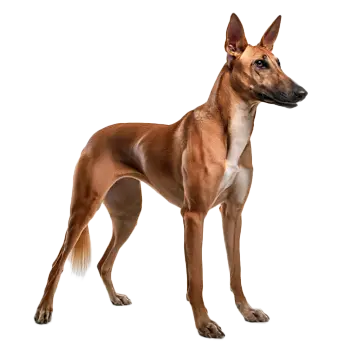
The Azawakh is a sighthound originating from the Sahel region of West Africa, and its dietary requirements reflect a breed built for speed, endurance, and lean muscle maintenance. Unlike many breeds that carry a layer of subcutaneous fat, the Azawakh naturally presents with visible ribs and hip bones, which is healthy and expected for this breed. Feeding strategies should support this lean physique rather than attempting to add bulk, and caloric intake should be carefully calibrated to match the dog's activity level.

Protein is the cornerstone of an Azawakh's diet. Because these dogs are built for explosive sprints and sustained trotting, their muscles demand high-quality animal-based protein sources. Look for formulas where a named meat or meat meal appears as the first ingredient, and aim for a crude protein content of at least 25 to 30 percent. Avoid formulas that rely heavily on plant-based proteins like pea protein or corn gluten meal as primary protein sources, since these are less bioavailable for canines.

Fat content is equally important for the Azawakh. Healthy fats provide concentrated energy and support the breed's thin skin and short coat. A moderate fat content in the range of 15 to 20 percent works well for most adults, though highly active individuals or dogs living in colder climates may benefit from slightly higher fat levels. Omega-3 and omega-6 fatty acids are particularly valuable for maintaining skin health and reducing inflammatory responses.

Carbohydrates should be present but not dominant in the Azawakh's diet. This breed can be sensitive to grain-heavy formulas, so many owners find success with limited-ingredient diets or formulas that use easily digestible carbohydrate sources like sweet potato, chickpeas, or oats. That said, not all Azawakhs require grain-free diets, and the decision should be guided by the individual dog's tolerance and your veterinarian's recommendations.

Hydration is a factor that often gets overlooked. Azawakhs adapted to arid climates, but domesticated dogs still need consistent access to fresh water, especially when fed predominantly dry kibble. Adding water or broth to dry food can improve palatability and support hydration, which is particularly helpful for Azawakhs that tend to be picky eaters.

What to Look For

When evaluating food products for your Azawakh, start with the ingredient list rather than the marketing on the front of the bag. The first three to five ingredients tell you the most about the formula's quality. Named animal proteins like chicken, turkey, lamb, or fish should lead the list, and you should see at least one source of named animal fat rather than generic terms like "animal fat" or "poultry fat."

Avoid formulas loaded with fillers and artificial additives. Corn, wheat, and soy are common fillers that provide minimal nutritional value and can trigger sensitivities in some Azawakhs. Artificial colors, flavors, and chemical preservatives like BHA, BHT, and ethoxyquin are unnecessary and potentially harmful over the long term. Instead, look for natural preservatives like mixed tocopherols or rosemary extract.

The guaranteed analysis panel provides key macronutrient percentages, but understanding what those numbers mean on a dry-matter basis is important for accurate comparison between kibble and wet food. A wet food listing 10 percent protein may actually have a higher protein concentration than a kibble listing 25 percent once you account for moisture content. Several online calculators can help you convert these values.

Consider the manufacturer's sourcing and quality-control practices. Companies that own their manufacturing facilities, conduct regular third-party testing, and source ingredients from reputable suppliers tend to produce more consistent and safer products. Recalls happen across the industry, but companies with transparent recall histories and responsive customer service are generally more trustworthy.

Recommended Dry Food

Dry kibble remains the most practical and cost-effective feeding option for most Azawakh owners. When selecting a kibble, prioritize formulas designed for active or athletic breeds, as these tend to have the protein and fat ratios that suit the Azawakh's metabolism. Large-breed formulas can work, but be cautious of those designed for heavy, stocky breeds, since caloric density and nutrient profiles may not align with the Azawakh's lean frame.

Limited-ingredient diets are worth exploring if your Azawakh shows signs of food sensitivity, such as itchy skin, digestive upset, or chronic ear infections. These formulas use fewer protein and carbohydrate sources, making it easier to identify and eliminate triggers. Single-protein formulas featuring novel proteins like venison, duck, or bison are particularly useful during elimination diet trials.

Kibble size matters more than many owners realize. The Azawakh has a relatively narrow muzzle compared to many large breeds, so medium-sized kibble pieces are generally easier for them to pick up and chew effectively. Overly large kibble can lead to gulping, which increases the risk of bloat — a serious concern for deep-chested breeds like the Azawakh.

Storage and freshness directly affect kibble quality. Fats in dry food can oxidize once the bag is opened, degrading both nutritional value and taste. Store kibble in its original bag inside an airtight container, keep it in a cool and dry location, and aim to use the bag within four to six weeks of opening. Buying smaller bags more frequently is often a better strategy than purchasing bulk quantities that sit open for months.

Wet & Fresh Options

Wet food can serve as a complete diet or as a topper to enhance the appeal of dry kibble. For Azawakhs that are finicky eaters — a common trait in the breed — mixing a spoonful of high-quality wet food into their kibble can make mealtime more enticing. Wet foods also contribute to daily moisture intake, which benefits kidney function and urinary tract health.

Fresh and refrigerated dog food options have gained popularity and can be an excellent fit for the Azawakh. These products are typically gently cooked or raw, minimally processed, and made with whole-food ingredients. The higher moisture content and absence of heavy processing can improve digestibility, and many owners report improved coat condition and energy levels after switching to fresh food.

Raw diets are favored by some Azawakh enthusiasts, particularly those involved in lure coursing or other performance activities. A properly balanced raw diet can provide exceptional nutrition, but it requires careful planning to ensure adequate calcium-to-phosphorus ratios, appropriate organ meat inclusion, and safe handling practices to minimize bacterial contamination risks. Working with a veterinary nutritionist is strongly recommended if you choose this route.

Cost is a practical consideration with wet, fresh, and raw diets. These options are significantly more expensive per serving than dry kibble, especially for a large breed. Many owners find a hybrid approach works well — using high-quality kibble as the base and supplementing with wet or fresh food a few times per week to provide variety and nutritional diversity without breaking the budget.

Treats & Supplements

Treats should be viewed as functional tools rather than indulgences. For the Azawakh, which can be aloof and independent during training, high-value treats are essential for motivation. Single-ingredient treats like freeze-dried liver, dehydrated fish, or jerky strips tend to be the most appealing and offer clean nutrition without unnecessary additives.

Joint supplements are worth considering for the Azawakh, particularly for dogs involved in high-impact activities like lure coursing. Glucosamine and chondroitin support cartilage health, while omega-3 fatty acids from fish oil provide anti-inflammatory benefits. MSM and green-lipped mussel extract are additional ingredients that appear in many joint-support formulas. Starting supplementation during young adulthood, rather than waiting for signs of joint wear, is a proactive approach many veterinarians recommend.

Digestive supplements can benefit Azawakhs that experience intermittent gastrointestinal sensitivity. Probiotics help maintain a healthy gut microbiome, while digestive enzymes can improve nutrient absorption. Pumpkin puree — plain, with no added sugar or spices — is a simple and effective natural supplement for firming loose stools or easing mild constipation.

Be cautious with treat portions. Treats should constitute no more than 10 percent of the dog's daily caloric intake to avoid unbalancing the overall diet. Given the Azawakh's lean build, even small caloric excesses can lead to weight gain that the breed is not designed to carry. Break treats into small pieces during training sessions to maximize reinforcement opportunities without overfeeding.

Foods to Avoid

Certain human foods are toxic to all dogs, and Azawakh owners should be especially vigilant because this breed's lean body composition means toxins can affect them more quickly relative to body weight. Chocolate, grapes, raisins, onions, garlic, xylitol (often found in sugar-free products), macadamia nuts, and alcohol are all dangerous and should be kept well out of reach.

Beyond outright toxins, several common ingredients in commercial dog foods can cause problems for sensitive Azawakhs. Artificial preservatives, synthetic dyes, and excessive salt are unnecessary additives that can contribute to long-term health issues. Some Azawakhs also react poorly to common proteins like chicken or beef, developing skin irritation or digestive upset that resolves when switched to a novel protein source.

Cooked bones are a significant hazard that bears repeating. While raw bones can be an appropriate part of a supervised feeding routine, cooked bones splinter easily and can cause choking, intestinal blockages, or perforations. This applies to all types of cooked bones, including those from poultry, pork, and beef. If you include bones in your Azawakh's diet, always serve them raw and appropriately sized, and supervise the entire chewing session.

Table scraps and unstructured feeding create problems beyond nutritional imbalance. The Azawakh is a breed that can become a selective eater, and offering frequent table scraps teaches the dog to hold out for more appealing options rather than eating their balanced meals. Establish consistent feeding practices early and resist the temptation to supplement with human food outside of planned, nutritionally appropriate additions.

Feeding Schedule

Adult Azawakhs typically do best on two meals per day, spaced roughly 12 hours apart. This schedule supports steady energy levels throughout the day and reduces the risk of bloat compared to feeding one large meal. Puppies under six months should eat three times daily, transitioning to twice daily between six and twelve months of age as their growth rate stabilizes.

Portion sizes depend on the individual dog's weight, activity level, age, and metabolism. Feeding guidelines printed on food packaging are starting points, not prescriptions. An active Azawakh involved in lure coursing or regular long runs may need 20 to 30 percent more food than a companion dog with moderate exercise. Monitor body condition regularly — you should see a defined waist from above, and ribs should be easily felt with minimal fat covering, which is normal for this breed.

Timing meals around exercise is important for deep-chested breeds prone to bloat. Avoid feeding your Azawakh within one hour before or after vigorous exercise. A calm period before and after meals allows for safe digestion and reduces the risk of gastric dilatation-volvulus, a life-threatening emergency. Elevated food bowls were once recommended to prevent bloat, but current veterinary research suggests they may actually increase the risk in some breeds, so discuss this with your veterinarian.

Consistency matters more than complexity. Feed the same food at the same times in the same location each day. Azawakhs are creatures of routine, and unpredictable feeding schedules can increase anxiety and contribute to picky eating behavior. If you need to change foods, do so gradually over seven to ten days, mixing increasing proportions of the new food with the old to avoid digestive upset.

Always consult a qualified professional before making any health-related decisions. This content is provided for informational reference only and should not replace professional guidance specific to your animal.