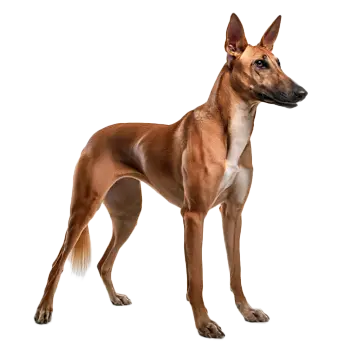

Space Requirements

The Azawakh is a large sighthound that was bred to run across open terrain in the Sahel, and its housing needs reflect that heritage. While the breed is surprisingly calm and quiet indoors, it requires adequate space to stretch out fully when resting. An Azawakh lying at full extension can occupy a surprising amount of floor space, so cramped apartments or homes without any open floor area can feel restrictive for both dog and owner.

That said, the Azawakh is not a breed that needs a mansion. What matters more than square footage is the availability of a secure outdoor area for daily exercise. A home with a modest interior but access to a fenced yard or nearby open running space will suit an Azawakh far better than a large home with no outdoor access. These dogs are sprinters, and without regular opportunities to run at full speed, they can become anxious or develop behavioral issues.

Indoor spaces should include at least one quiet retreat area where the Azawakh can rest undisturbed. This breed values its personal space and can become stressed in chaotic, high-traffic environments. A dedicated corner or room where the dog can observe household activity from a comfortable distance is ideal. Azawakhs often prefer elevated vantage points, so placing their resting area near a window or on a slightly raised platform can satisfy their natural desire to survey their surroundings.

For owners in apartments or smaller homes, the Azawakh can adapt as long as exercise needs are met consistently. Daily access to a securely fenced area where the dog can sprint freely is non-negotiable. Leash walks alone are insufficient for a breed built to reach speeds exceeding 35 miles per hour. Dog parks can work, but the Azawakh's high prey drive and selective sociability with unfamiliar dogs require careful management in shared spaces.

Crates & Kennels

Crate training is a valuable tool for the Azawakh, particularly during puppyhood and adolescence. However, selecting the right crate requires attention to the breed's unique proportions. The Azawakh is tall and leggy with a deep chest, so standard large-breed crates may not provide enough vertical clearance. Look for crates rated for tall breeds, typically 42 to 48 inches in length, and verify that the interior height allows the dog to stand without hunching.

Wire crates are the most versatile option for home use. They provide excellent ventilation, allow the dog to see its surroundings, and can be folded for storage or travel. The open visibility is particularly important for the Azawakh, which tends to feel more secure when it can monitor its environment. Solid-sided plastic crates can feel confining for this breed and may increase anxiety, though they remain useful for airline travel where wire crates are not permitted.

Padding inside the crate is essential. The Azawakh has very little body fat and prominent bony points at the elbows, hips, and sternum. Hard crate floors can quickly lead to pressure sores and calluses. Use a thick, washable crate pad or folded blankets to cushion the surface. Some owners prefer orthopedic crate mats that distribute weight evenly and resist compression over time.

Crate time should be limited and purposeful. The Azawakh is not a breed that tolerates long hours of confinement, and excessive crating can lead to anxiety, destructive behavior, and muscle stiffness. Use the crate as a safe resting place and management tool, not as a substitute for supervision or exercise. Most adult Azawakhs can be given free access to the home once they have matured past the destructive chewing phase, typically around two years of age.

Beds & Sleeping Areas

The Azawakh takes its rest seriously, and investing in a high-quality bed pays dividends in comfort and joint health. Orthopedic beds with memory foam or high-density foam cores are the best choice for this breed. The lack of subcutaneous fat means the Azawakh's joints and bones bear direct pressure against any sleeping surface, making cushioning a health necessity rather than a luxury.

Elevated cot-style beds are a favorite among Azawakh owners and the dogs themselves. These beds keep the dog off the floor, provide air circulation underneath for temperature regulation, and reduce pressure on joints. The taut fabric surface conforms slightly to the dog's body without compressing flat the way traditional stuffed beds can over time. Many Azawakhs gravitate toward these beds instinctively, and they are easy to clean and highly durable.

Bolster beds with raised edges appeal to Azawakhs that like to curl up or rest their heads on a pillow-like surface. While the breed often sleeps stretched out flat, many individuals also enjoy tucking into a nest-like bed, particularly in cooler weather. If your Azawakh prefers this style, choose a bolster bed with a removable, washable cover and a firm foam base that won't bottom out under the dog's weight.

Placement of the bed matters as much as the bed itself. Position the primary sleeping area in a draft-free zone away from exterior doors and heating vents. The Azawakh is sensitive to temperature extremes, and sleeping in a drafty area can lead to discomfort and restless nights. Many owners place beds in bedrooms or adjacent areas, since the Azawakh bonds closely with its family and rests better when it can sense the presence of its people nearby.

Outdoor Enclosures

A securely fenced yard is one of the most important housing considerations for Azawakh ownership. This breed possesses extraordinary jumping ability and can clear fences that would contain most other large dogs. A minimum fence height of six feet is recommended, and many experienced Azawakh owners advocate for fences of six and a half to seven feet. The fence should also extend close to the ground or include a buried footer, as some Azawakhs will attempt to dig under barriers if they spot prey on the other side.

Fence material matters for both security and safety. Solid privacy fencing reduces visual stimulation from passing animals, pedestrians, and vehicles, which helps prevent fence-running and barrier frustration. Chain-link fencing is less ideal because the Azawakh can see through it and may injure its narrow paws or muzzle attempting to push through. If chain-link is your only option, adding privacy slats or screening material along the lower sections can reduce visual triggers.

Outdoor kennel runs should be used only for short-term management, never as primary housing. The Azawakh is a deeply social breed that forms intense bonds with its family, and isolating it in an outdoor kennel can cause severe psychological distress. If a kennel run is part of your setup, ensure it has a solid roof for shade and weather protection, a comfortable resting surface, fresh water at all times, and that the dog spends the majority of its time inside with the family.

Landscaping and yard design can enhance the outdoor experience. Azawakhs enjoy sunbathing and will seek out warm, sunny patches of ground. Providing a paved or gravel sunning area that stays dry after rain gives the dog a comfortable outdoor lounging spot. Avoid gravel sizes small enough to become lodged between toes, and ensure the yard is free of toxic plants, sharp debris, and unsecured gates or gaps in fencing.

Climate Considerations

The Azawakh evolved in one of the hottest regions on Earth, and its thin skin, short coat, and lean build reflect that adaptation. This breed handles warm weather well and actively seeks out warmth, often gravitating toward sunny spots, heated blankets, or warm laps. However, domesticated Azawakhs living in temperate or cold climates require thoughtful accommodations to stay comfortable year-round.

Cold weather is the primary climate challenge for the Azawakh. With virtually no insulating body fat and a single-layer coat, this breed chills quickly when temperatures drop below 50 degrees Fahrenheit. Indoor heating should maintain a comfortable baseline temperature, and the dog's sleeping area should be equipped with extra blankets or a self-warming bed pad. Many Azawakh owners keep fleece or flannel pajamas on hand for their dogs during winter months, and this is not an indulgence — it is a practical necessity for a breed that genuinely suffers in cold conditions.

Outdoor coats and jackets are essential gear for Azawakhs in cooler climates. A well-fitted coat that covers the chest and abdomen provides meaningful protection during winter walks and outdoor bathroom breaks. Look for coats with adjustable closures that accommodate the breed's deep chest and narrow waist without restricting movement. Waterproof outer layers are important in rainy or snowy conditions, as a wet Azawakh loses body heat rapidly.

Summer housing considerations center on preventing overheating during extreme conditions. While the Azawakh tolerates heat better than most breeds, prolonged exposure to temperatures above 95 degrees Fahrenheit combined with high humidity can still cause heat stress. Ensure indoor spaces have adequate air conditioning or ventilation, provide shaded outdoor areas, and always maintain access to fresh, cool water. Avoid leaving the dog in parked vehicles or unshaded outdoor areas during peak heat hours.

Multi-Pet Households

Introducing an Azawakh into a multi-pet household requires understanding the breed's social dynamics. Azawakhs generally coexist well with other dogs, particularly other sighthounds or dogs of similar size and temperament. They often form strong pair bonds with a companion dog, and many breeders recommend keeping Azawakhs in pairs for mutual comfort and enrichment. However, the initial introduction period requires patience and careful management.

Same-sex aggression can occur in Azawakhs, particularly between intact males. If you plan to house multiple Azawakhs or mix the breed with other assertive dogs, opposite-sex pairings tend to be more harmonious. Regardless of the combination, each dog should have its own designated resting area, food bowl, and retreat space. Resource guarding is less common in the breed than in some others, but providing separate resources eliminates a potential source of conflict.

Small animals present a significant consideration. The Azawakh has a strong prey drive, and cats, rabbits, ferrets, and other small pets may trigger chase behavior. Some Azawakhs can learn to coexist with cats if raised together from puppyhood, but this is never guaranteed, and supervision should be maintained during all interactions. Housing arrangements in multi-species homes should include secure separation options — baby gates, closed doors, or separate rooms — that allow each animal its own safe space when unsupervised.

Shared sleeping areas can work well once the hierarchy and relationships are established. Many Azawakhs enjoy sleeping in contact with their canine companions, piling together on a large bed or couch. Providing one oversized bed or multiple beds clustered together in a social sleeping area can satisfy this desire for closeness. However, always ensure each dog also has access to its own private resting spot for times when it wants solitude.

Always consult a qualified professional before making any health-related decisions. This content is provided for informational reference only and should not replace professional guidance specific to your animal.