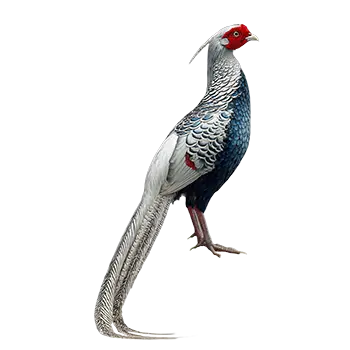

Housing Requirements

Silver Pheasants are large, active, ground-dwelling birds that require substantially more space than most companion parrots or finches. Males of the species can reach fifty inches from beak to tail tip, with their dramatic white-barred tails alone accounting for nearly half that length. Housing that confines these birds to small cages or cramped pens produces stress-related behaviors, feather damage, and physical injuries that compromise both the bird's welfare and its ornamental value. Any keeper considering Silver Pheasants must be prepared to dedicate significant outdoor space to a purpose-built aviary that accommodates the species' physical dimensions and behavioral needs.

The fundamental housing unit for Silver Pheasants is a planted flight pen or aviary rather than a cage in the traditional sense. These birds spend the vast majority of their time on the ground, walking, scratching, and foraging through substrate, and they need enough horizontal space to move freely, establish personal territories, and engage in courtship displays during breeding season. Vertical space is also important, as Silver Pheasants roost off the ground at night and will fly upward explosively when startled, requiring sufficient headroom to avoid injuring themselves against the roof of the enclosure.

Climate tolerance is one of the Silver Pheasant's practical advantages as an aviary species. Originating from montane forests at elevations ranging from sea level to over six thousand feet, these birds are remarkably cold-hardy and can tolerate temperatures well below freezing without supplemental heat, provided they have access to dry, draft-free shelter. They also handle moderate heat reasonably well, though shade and fresh water become essential when temperatures exceed ninety degrees Fahrenheit. This broad climate tolerance means that Silver Pheasants can be housed outdoors year-round in most temperate regions without the elaborate climate control systems that tropical species require.

Housing decisions should also account for social dynamics. Silver Pheasants are typically kept as pairs or trios consisting of one male and one or two females. Housing multiple males together, particularly during breeding season, almost invariably leads to aggressive confrontations that result in serious injuries. Even outside of breeding season, males are territorial and fare best when visual barriers or separate enclosures prevent direct competition. Females are generally tolerant of each other, but overcrowding in any configuration increases stress and the risk of feather picking and pecking injuries.

Enclosure Size and Design

Minimum aviary dimensions for a pair of Silver Pheasants should be no less than two hundred square feet of floor space, roughly equivalent to a pen measuring ten feet wide by twenty feet long. This is a working minimum, and experienced keepers consistently recommend larger enclosures when space permits. Aviaries of three hundred to five hundred square feet per pair allow more natural movement patterns, reduce territorial tension, and provide room for the plantings and landscape features that make aviary keeping rewarding for both the birds and the keeper. Height should be at least seven feet to allow the birds to roost comfortably and to give keepers headroom for maintenance.

Rectangular enclosures are generally preferable to square ones because they create a sense of depth and distance that reduces stress for ground-dwelling birds. A long, narrow aviary allows Silver Pheasants to move away from perceived threats, including the keeper entering for maintenance, without feeling cornered. The length also facilitates the dramatic running displays that males perform during courtship, which require an unobstructed corridor several yards long to execute fully.

The frame of the aviary can be constructed from pressure-treated lumber, galvanized steel tubing, or aluminum framing, each with trade-offs in cost, durability, and ease of construction. Pressure-treated wood is the most accessible and affordable option for most keepers, though it requires periodic inspection and treatment to prevent rot at ground-contact points. Galvanized steel tubing provides superior durability and a cleaner visual profile but costs more and requires welding or specialized connectors for assembly. Aluminum is lightweight and corrosion-resistant but less rigid than steel, making it better suited for smaller structures or as a complement to a primary steel or wood frame.

Wire mesh selection is a critical safety decision. The mesh must be strong enough to exclude predators, fine enough to prevent the birds from pushing their heads through and becoming trapped, and durable enough to resist weathering over many years. Welded wire mesh with openings no larger than one inch by two inches in fourteen-gauge or heavier galvanized wire is the standard recommendation for pheasant aviaries. Hardware cloth with half-inch openings provides even greater predator exclusion and is worth the additional cost for the lower eighteen inches of the enclosure walls, where digging predators are most likely to attempt entry. Chicken wire, despite its name, is too flimsy for pheasant housing and is easily torn by raccoons, foxes, and dogs.

Flooring and Substrate

The aviary floor is one of the most consequential design decisions in pheasant housing, directly affecting hygiene, parasite management, foraging behavior, and the birds' physical comfort. Natural earth floors are the traditional choice and offer several advantages: they allow natural foraging and scratching behavior, support beneficial microbial activity in the soil, and facilitate drainage. However, earth floors also harbor parasites, particularly roundworms and cecal worms, which build up in the soil over time and can reach dangerous levels in static aviaries. Keepers using earth floors should plan for periodic soil replacement or rotation of birds between pens to break parasite cycles.

Sand substrates provide excellent drainage and are easy to rake clean, making them popular in climates where standing water is a concern. Coarse construction sand or river sand is preferable to fine play sand, which compacts into a hard surface and can cause crop impaction if ingested in large quantities. A sand floor four to six inches deep allows Silver Pheasants to dust bathe, a behavior essential to feather maintenance and parasite control, while also facilitating quick removal of droppings and food waste. Sand does need periodic replenishment and full replacement annually to maintain hygiene.

Pea gravel is another option that drains well and resists the parasite buildup associated with soil floors. Gravel is easy to hose down and disinfect, making it particularly useful in quarantine or hospital pens where hygiene is paramount. The drawback is that pea gravel does not support foraging or dust bathing behavior and feels less natural underfoot. Many keepers compromise by using pea gravel in high-traffic areas near feeders and waterers, where contamination from droppings is heaviest, and natural earth or sand in the remainder of the aviary.

Concrete floors are sometimes used in breeding facilities where disease control is a top priority. Concrete can be pressure-washed and thoroughly disinfected between occupants, virtually eliminating soil-borne parasites. However, bare concrete is hard on the birds' feet and legs, provides no foraging substrate, and offers no insulation against cold. If concrete is used as the base, it should be covered with a generous layer of sand, straw, or wood shavings to provide cushioning and behavioral substrate. A slight slope built into the concrete facilitates drainage and prevents puddle formation.

Whichever substrate is chosen, drainage is non-negotiable. Silver Pheasants are susceptible to bumblefoot and other foot infections caused by prolonged contact with wet, contaminated surfaces. The aviary floor must be graded or constructed so that rainwater drains away rather than pooling, and substrate in areas under drinkers should be replaced frequently to prevent the development of muddy, bacteria-rich patches.

Shelter and Weather Protection

Every Silver Pheasant enclosure requires a solid-roofed shelter section that provides protection from rain, wind, direct sun, and temperature extremes. While Silver Pheasants are hardy birds that tolerate cold weather well, they are susceptible to respiratory problems when exposed to persistent dampness, and prolonged rain exposure causes plumage deterioration even in species with relatively water-resistant feathers. The shelter should cover at least one-third to one-half of the total aviary footprint, ensuring that birds have dry ground to stand on during extended wet periods.

Shelter construction should prioritize dryness and ventilation over warmth. A common mistake is building an enclosed shed-like shelter that traps humid air, creating conditions conducive to aspergillosis and other respiratory infections. The ideal shelter has a solid roof that extends well beyond the walls to keep driving rain off the interior, with walls on two or three sides to block prevailing winds while leaving one side partially or fully open to allow air circulation. This design maintains the dry, well-ventilated environment that Silver Pheasants need while still offering meaningful protection from the elements.

Roofing materials for the shelter section should be durable, waterproof, and capable of withstanding snow loads in cold climates. Metal roofing panels, fiberglass-reinforced sheets, and polycarbonate panels are all suitable options. Translucent polycarbonate has the added advantage of admitting natural light into the shelter area, which can reduce stress for birds that are reluctant to enter dark enclosures. Whatever material is chosen, the roof should have a sufficient pitch to shed rain and snow efficiently and should overhang the walls by at least twelve inches to direct runoff away from the shelter floor.

The open or partially open flight section of the aviary also benefits from some overhead protection. A partial mesh roof covered with shade cloth provides protection from aerial predators, reduces stress from overhead movement such as passing hawks, and moderates summer heat by filtering direct sunlight. In regions with heavy snowfall, a pitched solid roof over the entire aviary prevents snow accumulation on the mesh, which can cause structural collapse. Many experienced keepers in northern climates build aviaries with full solid roofs pitched steeply enough to shed snow, accepting the trade-off of reduced natural light in exchange for year-round structural integrity.

Perching and Roosting Structures

Silver Pheasants roost off the ground at night, typically selecting a perch three to six feet above floor level. Providing appropriate roosting structures is essential for the birds' sense of security, as ground-roosting pheasants are vulnerable to nocturnal predators and tend to be more nervous and flighty than those with access to elevated perches. Roosting perches should be positioned within the sheltered section of the aviary so that birds are protected from rain and wind while sleeping.

Natural wood branches make the best roosting perches for Silver Pheasants. Branches with diameters between two and three inches allow the birds to grip comfortably without straining their toes, and the irregular surface of natural wood provides the varied footing that promotes healthy foot condition. Hardwood species such as oak, maple, and ash are durable and resistant to splintering, while softwoods like pine are acceptable but wear out faster and may need more frequent replacement. Avoid branches from trees treated with pesticides or known to be toxic to birds, including cherry, yew, and black walnut.

Perch placement should allow birds to access and leave the roost without difficulty. Silver Pheasants are not agile flyers and prefer to walk or hop up to their roosting spots rather than fly directly to them. A tiered arrangement of perches at progressively increasing heights, or a ramp-like series of low platforms leading to the main roost, accommodates this preference. Each bird should have at least twenty-four inches of perch space to avoid crowding, as birds jostling for position on an overcrowded perch will displace subordinate individuals and disrupt sleep patterns.

Daytime perching structures serve a different function from nighttime roosts. Low perches, stumps, logs, and flat-topped rocks positioned throughout the aviary provide resting spots, vantage points for surveying the enclosure, and elevated surfaces for sunbathing. These structures break up the visual monotony of the aviary floor and create microzones that reduce territorial tension by allowing birds to occupy different levels within the shared space. Male Silver Pheasants in particular use elevated perches as display platforms during courtship, fanning their tails and posturing from a position that maximizes visibility to watching females.

Landscaping and Vegetation

Plantings within the aviary serve functional, behavioral, and aesthetic purposes that significantly enhance the quality of life for captive Silver Pheasants. In the wild, these birds inhabit dense forest with a thick understory, and they rely on vegetation for concealment, shade, nesting cover, and a sense of security that open, barren enclosures cannot provide. An aviary devoid of plantings forces birds to live in an exposed, stressful environment fundamentally at odds with their natural habitat, regardless of how spacious the pen may be.

Shrubs and low-growing plants that create dense ground-level cover are the most important vegetation component. Species such as privet, boxwood, cotoneaster, and dense ornamental grasses provide the thicket-like cover that Silver Pheasants instinctively seek when feeling threatened or when hens are preparing nest sites. Plantings should be concentrated along the aviary perimeter and in the back corners, creating sheltered zones that birds can retreat to while leaving an open central area for feeding, dust bathing, and movement.

Coniferous trees and shrubs are particularly valuable in pheasant aviaries because they provide year-round cover, including during winter when deciduous plants are bare. Small conifers such as dwarf spruces, junipers, and arborvitae tolerate the conditions within an aviary reasonably well and provide dense, evergreen screening that maintains the sense of enclosure and security throughout all seasons. Larger conifers can be used in spacious aviaries but should be positioned where their eventual size will not overwhelm the available space or obstruct keeper access for maintenance.

Protecting plantings from the birds themselves is an ongoing challenge. Silver Pheasants are persistent scratchers that will excavate the root zones of plants, and they will nibble on tender shoots, leaves, and low-hanging fruit. Wire cages around the base of young plants, elevated planting beds, and the strategic use of sturdy, established specimens rather than delicate nursery stock all help maintain vegetation in a pheasant aviary. Some keepers plant in large pots sunk into the ground, which protects root systems from scratching while allowing plants to be rotated out for recovery if they become too heavily browsed.

Ground cover plants that tolerate foot traffic and scratching add visual appeal and functional substrate to areas between shrubs and structures. Clover, dichondra, and certain hardy grasses can survive moderate pheasant activity and contribute to the natural appearance of the aviary floor. These ground covers also harbor insects, creating incidental foraging opportunities that enrich the birds' daily routine. In shaded areas, mosses and ferns may establish if conditions are right, though they tend to be less durable under the wear of active ground-dwelling birds.

Security and Predator Protection

Predator exclusion is arguably the single most important structural consideration in Silver Pheasant housing. Pheasants are prey animals whose natural defenses, explosive flight and ground-level concealment, are largely neutralized by the confines of an aviary. A single predator breach can kill or injure every bird in an enclosure within minutes, and the stress of a near-miss intrusion can cause panic injuries, egg abandonment, and weeks of behavioral disruption even if no bird is directly harmed. The aviary must be built to withstand determined predation attempts from raccoons, foxes, coyotes, weasels, rats, snakes, and raptors, all of which represent real threats in most geographic areas.

Buried wire mesh or an apron of hardware cloth extending outward from the base of the aviary walls is essential to prevent digging predators from tunneling underneath. The standard recommendation is to bury a skirt of hardware cloth at least twelve inches deep and extend it horizontally outward from the wall for another twelve to eighteen inches, creating an L-shaped barrier that defeats most digging attempts. An alternative approach is to lay a continuous mesh floor beneath the substrate, which provides comprehensive protection against diggers but makes substrate replacement more difficult.

Small predators such as weasels, minks, and rats can squeeze through openings as small as one inch in diameter, making mesh gauge and fastening integrity critical. Every junction between mesh panels must be securely fastened with hog rings, J-clips, or heavy-gauge wire ties at intervals no greater than four inches. Gaps around doors, where walls meet the ground, and where mesh panels join structural framing are the most common entry points for small predators and deserve particular attention during construction and regular inspection thereafter.

The aviary roof must provide protection from aerial predators, primarily hawks and owls, which can strike through an unprotected top and either kill birds directly or cause fatal panic injuries as pheasants attempt to flee. A fully enclosed roof of welded wire mesh or netting prevents aerial attacks and also contains the birds, which are capable of powerful vertical flight when frightened. Nylon or polyethylene aviary netting is lighter and less expensive than wire mesh roofing and is sufficient to deter most raptors, though it is less durable and may require replacement every few years.

Door and gate security cannot be overlooked. The aviary entrance should feature a double-door or airlock system consisting of two sequential gates that prevent birds from escaping during keeper entry and exit. Latches should be predator-resistant, meaning they require deliberate manipulation to open rather than simple lifting that raccoons can easily accomplish. Spring-loaded latches, carabiner clips, or padlocks are all more secure than basic hook-and-eye closures. Keepers should develop the habit of inspecting the entire enclosure perimeter regularly, checking for mesh degradation, loose fasteners, storm damage, and any signs of digging or chewing at the base.

Always consult a qualified professional before making any health-related decisions. This content is provided for informational reference only and should not replace professional guidance specific to your animal.