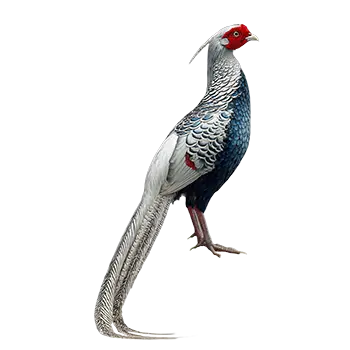

Technology in Aviculture

Technology has transformed aviculture management over the past decade, making tools that were once exclusive to commercial poultry operations and zoological institutions accessible and affordable for private keepers of ornamental birds like the Silver Pheasant. The integration of cameras, sensors, automated systems, and digital record-keeping into aviary management does not replace attentive husbandry, but it extends the keeper's reach by providing continuous monitoring, early warning alerts, and data-driven insights that would be impossible to gather through periodic manual observation alone.

The practical case for technology in a Silver Pheasant aviary is strongest in three areas: security monitoring, environmental condition tracking, and health record management. Security cameras reveal nocturnal predator activity, identify the source of disturbances that stress the birds, and let keepers check on their flock remotely at any time. Environmental sensors track temperature, humidity, and other conditions that directly affect bird health, alerting keepers to dangerous extremes before the birds show visible signs of distress. Digital health records consolidate weight logs, parasite test results, breeding data, and veterinary histories into searchable, organized systems that support better long-term management decisions.

Adopting aviary technology does not require a large upfront investment or advanced technical skills. Many of the most useful tools are consumer-grade products originally designed for home security, weather monitoring, or agricultural use that can be adapted to aviary applications with minimal modification. Wireless connectivity, solar-powered operation, and smartphone-based interfaces have made these tools approachable for keepers of all technical backgrounds. The key is to start with the specific monitoring or automation need that would most improve the operation and add capability incrementally rather than attempting to build a fully automated smart aviary from scratch.

Reliability matters more than sophistication in aviary technology. A simple wired temperature alarm that consistently sends an alert when conditions drop below freezing is more valuable than a feature-rich wireless system that loses connection intermittently or fails to send notifications when the battery dies. Every technology installation should include a plan for power backup, connectivity failure, and routine maintenance, because the worst outcome is a system that creates a false sense of security while actually failing to perform its monitoring function.

Security Cameras and Visual Monitoring

Security cameras provide the most immediately impactful technology upgrade for a Silver Pheasant aviary. Predator attacks, the leading cause of catastrophic loss in outdoor aviculture, almost always occur at night or in the early pre-dawn hours when the keeper is not present. A camera system with night vision capability reveals predator activity around the aviary perimeter, documents attempted breaches, identifies the species responsible, and enables the keeper to implement targeted countermeasures based on actual evidence rather than guesswork about what is threatening the birds.

Wireless outdoor cameras with infrared night vision are the most practical option for most aviary installations. These cameras connect to a home wireless network and stream live video to a smartphone application, allowing the keeper to check on the aviary at any time from any location. Models with motion-activated recording conserve storage space by recording only when movement is detected, and the motion alerts serve as an early warning system that notifies the keeper when something is moving near the aviary during hours when nothing should be. Cloud storage subscriptions retain recorded footage for review, while local storage on microSD cards provides a backup that functions even when internet connectivity is lost.

Camera placement should provide comprehensive coverage of the aviary perimeter, the interior shelter area, and any known predator approach routes. A minimum of two cameras, one covering the exterior perimeter and one positioned inside the shelter to monitor roosting birds, gives a useful baseline of coverage. Larger or more complex aviary setups may warrant additional cameras at feeding stations, nest sites, and aviary entry points. Cameras should be mounted at a height and angle that provides a clear field of view while keeping the device out of reach of curious birds that might peck at lenses or cables.

Power supply and weather resistance are critical considerations for outdoor camera installations. Battery-powered cameras offer flexible placement but require regular recharging, which can range from weekly to monthly depending on the model and activity level. Solar-powered cameras with integrated panels provide indefinite operation in locations that receive adequate sunlight, though they may struggle during extended overcast periods in winter. Hardwired cameras connected to a constant power supply are the most reliable option where electrical infrastructure is available. Regardless of power source, all outdoor cameras should carry an IP65 or higher weather resistance rating to withstand rain, humidity, temperature extremes, and the dust generated by the aviary environment.

Temperature and Climate Sensors

Environmental monitoring sensors track the temperature, humidity, and other conditions within and around the aviary, providing data that helps keepers maintain optimal living conditions and respond quickly to dangerous environmental shifts. While Silver Pheasants are hardy birds with a broad temperature tolerance range, extreme heat, sudden freezing after a warm spell, and high humidity combined with poor ventilation can all create health risks that sensors detect before visual signs of distress become apparent.

Wireless temperature and humidity sensors designed for agricultural or greenhouse use adapt readily to aviary monitoring. These devices consist of a small sensor unit placed inside the aviary shelter and a base station or smartphone app that displays current readings and historical trends. The most useful feature for aviary keepers is programmable alerts that send notifications when temperature or humidity crosses user-defined thresholds. Setting a low-temperature alert at twenty degrees Fahrenheit and a high-temperature alert at ninety-five degrees, for example, gives the keeper advance warning of conditions that require intervention such as checking water for freezing or deploying additional shade.

Placement of temperature sensors within the aviary requires some thought. A single sensor positioned at roost height inside the shelter provides the most relevant temperature reading, since this is where the birds spend the coldest hours and where conditions most directly affect their welfare. A second sensor placed in the open flight section captures the range of conditions the birds experience throughout the day. Sensors should be shielded from direct sunlight, which inflates temperature readings, and positioned where the birds cannot reach them to peck or dislodge them.

More advanced environmental monitoring systems integrate multiple sensor types into a unified dashboard. Combination devices that measure temperature, humidity, barometric pressure, and light levels provide a comprehensive picture of aviary conditions. Some systems include soil moisture sensors that track substrate wetness, which is directly relevant to foot health and parasite management. The data logging capability of these systems creates a historical record that reveals seasonal patterns, identifies correlations between environmental conditions and health events, and informs long-term management decisions about shelter design, ventilation modifications, and seasonal husbandry adjustments.

Weather station integration takes environmental monitoring a step further by combining local sensor data with forecast information. Consumer weather stations that connect to online forecast services can provide advance warning of incoming cold fronts, heat waves, and storms, giving keepers time to prepare windbreaks, check heating systems, secure loose aviary components, and take other precautionary measures before extreme weather arrives. This proactive approach is particularly valuable for keepers who work away from home during the day and may not be physically present when conditions change rapidly.

Automated Feeding and Watering Systems

Automated feeding systems dispense measured quantities of feed at programmed intervals without manual intervention, ensuring that birds receive consistent nutrition even when the keeper is away, occupied, or managing an irregular schedule. For Silver Pheasant keepers, the primary value of automated feeding is reliability rather than labor savings, since the feeding task itself is not particularly time-consuming. The assurance that birds will receive their morning ration on time regardless of the keeper's personal schedule provides peace of mind and eliminates one of the most common sources of husbandry disruption.

Timed gravity feeders are the simplest form of automated feeding and work well for Silver Pheasants. These units consist of a hopper that holds several days' worth of feed and a motorized gate or auger mechanism connected to a programmable timer. At the set time, the mechanism opens or rotates to release a pre-measured portion of feed into a tray or onto the aviary floor. Battery-powered models with simple digital timers are available for under one hundred dollars and require no electrical infrastructure at the aviary. More sophisticated models connect to smartphone applications for remote scheduling and monitoring of feed levels.

Automated watering systems range from simple float-valve arrangements that maintain a constant water level in a dish to fully plumbed nipple drinker lines connected to a pressurized water supply. Float-valve waterers are easy to install and maintain, requiring only a gravity-fed water supply from a raised container or a direct connection to a garden hose with a pressure regulator. These systems ensure that fresh water is always available without daily manual refilling, though they still require periodic cleaning to prevent algae growth and biofilm accumulation in the reservoir and delivery components.

For keepers in cold climates, integrating freeze protection into automated watering systems is essential for year-round reliability. Thermostatically controlled heating elements placed in the water reservoir or wrapped around supply lines prevent freezing without running continuously, activating only when the water temperature drops close to the freezing point. Some automated systems include built-in heating elements as a standard feature, while others require aftermarket heaters to be added. The electrical connections for heated watering systems must be protected from moisture intrusion and connected through ground-fault circuit interrupters to prevent shock hazards in the wet aviary environment.

Lighting and Timer Controls

Lighting management plays a more significant role in Silver Pheasant husbandry than many novice keepers realize. Photoperiod, the number of daylight hours the birds experience, is the primary environmental trigger for seasonal breeding behavior, molt timing, and hormonal cycles. In the wild, the naturally changing day length drives these cycles seamlessly. In captivity, particularly in aviaries with substantial overhead coverage that reduces natural light transmission, or for keepers who wish to manipulate breeding timing, supplemental lighting controlled by timers allows precise management of the photoperiod the birds experience.

Full-spectrum lighting designed for poultry and avian applications provides the balanced light output that most closely approximates natural sunlight. Standard incandescent and cool-white fluorescent bulbs lack the ultraviolet-A component that birds can perceive and that contributes to vitamin D synthesis, plumage appearance, and behavioral normality. Full-spectrum fluorescent tubes or LED panels rated for avian use deliver a complete light spectrum including UVA, and their energy efficiency makes them practical for daily operation on extended schedules during short winter days.

Programmable timers connected to the lighting system automate photoperiod management and ensure consistency. During breeding season preparation, gradually increasing the light period by fifteen to thirty minutes per week, beginning in late winter, simulates the lengthening days of spring and brings birds into breeding condition on a predictable schedule. The total photoperiod during breeding season is typically fourteen to sixteen hours. After breeding season, gradually reducing the light period mirrors the natural shortening days of autumn and allows the birds to enter their rest phase and molt on a natural timeline.

Dusk-to-dawn lighting at low intensity in the shelter area serves a security and welfare function separate from photoperiod management. A dim night light powered by a photocell sensor helps birds find their roosts after dusk and can reduce panic-related injuries caused by sudden disturbances in total darkness. The light level should be just bright enough to allow the birds to see their perches and navigate the shelter interior without being intense enough to disrupt sleep patterns or interfere with the natural dark period they need for proper hormonal cycling.

Smart lighting systems that integrate with home automation platforms offer the most flexible control options. These systems allow the keeper to program complex lighting schedules with gradual dawn and dusk transitions that simulate natural sunrise and sunset rather than abrupt on-off switching. Sudden light changes can startle pheasants and cause panic flight, so a gradual dimming sequence over ten to fifteen minutes at the end of the light period is preferable. Smart systems also allow remote adjustment of schedules, real-time monitoring of light output, and integration with other automated systems for coordinated management.

Predator Deterrent Technology

Electronic predator deterrent devices supplement the physical security of the aviary structure by discouraging predators from approaching the enclosure in the first place. While no deterrent technology replaces the fundamental requirement for a structurally sound, predator-proof aviary, electronic deterrents reduce the frequency and intensity of predator probing and can provide critical additional protection during the transition period while a keeper addresses a newly identified vulnerability in the enclosure.

Motion-activated lights are among the simplest and most effective electronic deterrents for nocturnal predators. A bright floodlight triggered by a passive infrared motion sensor startles approaching predators and disrupts the darkness they rely on for concealment. Solar-powered motion-activated lights require no wiring and can be positioned anywhere around the aviary perimeter, making them one of the most accessible deterrent technologies available. For maximum effectiveness, lights should be positioned to illuminate known predator approach routes, particularly along fence lines, near gates, and at any points where previous predator activity has been detected by cameras.

Ultrasonic deterrent devices emit high-frequency sound waves inaudible to humans but irritating to many mammalian predators. These units are typically motion-activated and battery or solar-powered, and they can be positioned around the aviary perimeter to create a discomfort zone that discourages predators from lingering. The effectiveness of ultrasonic deterrents varies by species and individual animal, with some predators habituating to the sound over time. They are best used as one component of a layered deterrent strategy rather than as a standalone solution.

Electric fencing is the most robust active deterrent available for ground-level predators. A low-voltage electric fence running around the outside of the aviary perimeter delivers a sharp but harmless shock to any animal that touches it, creating a powerful aversive association that deters repeat approaches. Electric fence systems designed for poultry protection are appropriately scaled for aviary use, with portable, solar-powered energizers that are easy to install and relocate. The fence should be positioned several inches outside the aviary mesh so that predators contact the electric wire before they can begin working on the mesh itself.

Integrating deterrent devices with the camera system creates a comprehensive security layer that both records and responds to predator activity. Some camera systems support integration with smart home platforms, allowing a detected motion event to simultaneously trigger a camera recording, activate a floodlight, sound an alarm, and send an alert to the keeper's phone. This coordinated response provides immediate deterrence while generating documented evidence of the threat. Reviewing recorded footage alongside deterrent activation logs helps keepers evaluate which deterrent measures are working and adjust the system accordingly.

Health Tracking and Record Keeping

Digital record-keeping systems consolidate the many data points of Silver Pheasant management into organized, searchable, and analytically useful formats that paper records struggle to match. A well-maintained digital health record for each bird captures weight history, parasite screening results, veterinary visits, medication administrations, dietary changes, molt progression, breeding activity, and any behavioral observations of note. Over the years-long lifespan of a Silver Pheasant, this accumulated data becomes an invaluable reference that reveals trends, informs veterinary consultations, and guides management adjustments.

Spreadsheet applications remain the most accessible and flexible tool for aviary record keeping. A structured spreadsheet with dedicated tabs for weight logs, health events, breeding records, and environmental data provides most of the functionality a private keeper needs without the learning curve of specialized software. Templates designed for poultry and aviary record keeping are available from aviculture organizations and can be adapted to the specific data points relevant to Silver Pheasant management. Cloud-based spreadsheet platforms enable access from any device and provide automatic backup protection against data loss.

Specialized aviculture and livestock management software offers additional features for keepers managing larger collections or breeding programs. These platforms typically include pedigree tracking, genetic pairing analysis, lineage visualization, financial tracking of feed and supply costs, and automated reminders for scheduled health tasks such as fecal testing and worming. Some platforms support photo attachment, allowing keepers to document physical condition, feather quality, and injuries visually alongside their written notes.

Digital photography serves as a powerful health monitoring tool when used systematically. Photographing each bird from consistent angles at regular intervals, such as monthly, creates a visual timeline that makes gradual changes in body condition, feather quality, and physical appearance far more obvious than they would be to an observer seeing the bird daily. Comparing current photographs against earlier images can reveal weight loss, feather degradation, postural changes, and other subtle shifts that escape casual daily observation. Photographs also provide documentation for veterinary consultations, especially when the bird cannot be easily transported to the clinic.

Integrating environmental monitoring data with health records enables correlation analysis that can reveal cause-and-effect relationships invisible in isolated data sets. If a temperature sensor logs an unusual cold snap and a health record notes a respiratory issue beginning two days later, the connection suggests a management response for the next cold event. If weight data shows a consistent decline beginning each autumn and recovering each spring, the keeper can evaluate whether the fall feeding program needs adjustment. This kind of data-informed management represents the most sophisticated application of technology in aviculture, moving beyond simple monitoring into proactive, evidence-based husbandry.

Always consult a qualified professional before making any health-related decisions. This content is provided for informational reference only and should not replace professional guidance specific to your animal.