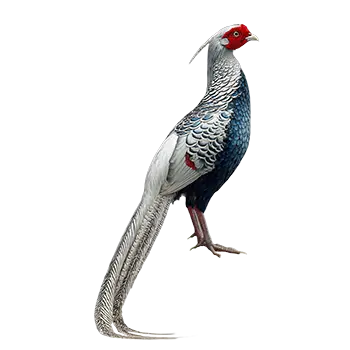

Enrichment for Silver Pheasants is a fundamentally different discipline than enrichment for parrots, and keepers who approach pheasant enrichment with a parrot-centric mindset will miss the mark entirely. Parrots are manipulative species that interact with objects using their beaks and feet, solving puzzles, dismantling toys, and engaging in complex object play. Silver Pheasants, by contrast, are ground-dwelling gallinaceous birds whose behavioral repertoire centers on scratching, foraging, running, dust bathing, and exploring their physical environment. Effective enrichment for this species works with these instincts rather than attempting to impose interaction patterns borrowed from unrelated bird families.
The consequences of inadequate enrichment in captive Silver Pheasants are real and measurable. Boredom and behavioral deprivation manifest as feather picking, aggressive pecking directed at pen mates, repetitive pacing along enclosure walls, excessive nervousness, and a generalized dullness of behavior that replaces the alert, curious demeanor of a well-stimulated bird. Breeding performance also suffers, as males may fail to perform courtship displays and females may neglect nest-building behavior in environments that lack the complexity needed to trigger natural reproductive behaviors.
The most effective enrichment strategy for Silver Pheasants is environmental complexity. Rather than purchasing manufactured toys, the priority should be creating an aviary environment that is varied, changeable, and full of opportunities for exploration and foraging. A richly planted enclosure with diverse substrate zones, visual barriers, elevated perching spots, and seasonal changes in ground cover provides continuous stimulation through the birds' natural behaviors. Manufactured enrichment products play a supporting role, supplementing environmental complexity rather than substituting for it.
Seasonal enrichment cycling keeps the aviary environment fresh and engaging. Rearranging landscape features, introducing new plants, rotating foraging substrates, and varying the types of food-based enrichment offered throughout the year prevents habituation, the gradual decline in interest that occurs when stimuli remain static. Even simple changes such as moving a log to a different position, adding a pile of autumn leaves, or scattering a new type of seed through the substrate can re-engage a bird's investigative behavior and sustain activity levels.