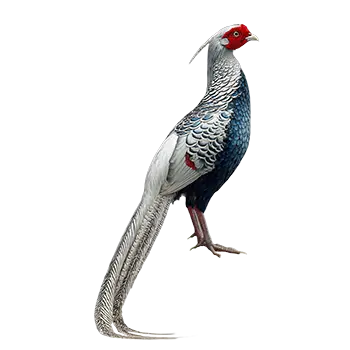

Outfitting a Silver Pheasant aviary requires a carefully considered set of accessories that support the birds' daily needs for feeding, watering, shelter, hygiene, and health management. Unlike companion parrot keeping, where the pet industry offers an overwhelming array of species-specific products, Silver Pheasant accessories draw primarily from the game bird, poultry, and general aviculture supply categories. Knowing which products from these broader categories are appropriate for Silver Pheasants, and which require modification or substitution, saves keepers from costly trial-and-error purchasing.
The essential accessory list for a Silver Pheasant setup breaks down into several functional categories: feeding equipment, watering systems, nesting and brooding supplies, transport and handling gear, cleaning and sanitation tools, and health and first aid items. Each category contains products that range from basic and affordable to premium and feature-rich, and the right choice depends on the scale of the operation, climate conditions, the number of birds being kept, and the keeper's own preferences and budget. Starting with reliable basics and upgrading selectively based on experience is a more practical approach than purchasing the most expensive option in every category from the outset.
Durability is a critical selection criterion for any accessory placed in an outdoor pheasant aviary. Products designed for indoor use or for small cage birds will not survive the combination of weather exposure, ultraviolet degradation, and the physical forces exerted by large, active birds. Metal components should be galvanized or stainless steel to resist corrosion. Plastic parts should be UV-stabilized and heavy-gauge. Wood should be untreated hardwood or appropriately sealed softwood that will not leach chemicals into food or water. Every accessory placed in the aviary should be evaluated with the understanding that it will endure rain, sun, freezing temperatures, and persistent pecking.
Ease of cleaning and maintenance should factor heavily into purchasing decisions. Accessories that cannot be thoroughly cleaned become reservoirs for bacteria, mold, and parasites, undermining the health of the birds regardless of how well other aspects of husbandry are managed. Products with smooth, non-porous surfaces, minimal crevices, and designs that can be disassembled for cleaning are always preferable to ornate or complex items that resist effective sanitation.