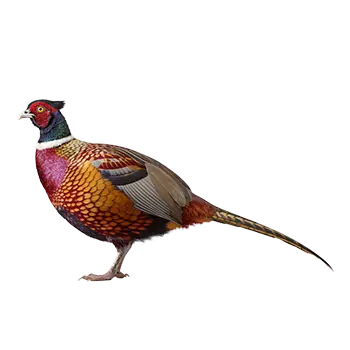

Nutritional Needs

Ring-necked Pheasants are gallinaceous birds whose nutritional requirements differ substantially from those of hookbill parrots and passerine songbirds. As ground-dwelling omnivores, they evolved to consume a mixed diet of seeds, grains, insects, and green plant matter foraged across open fields, hedgerows, and forest margins. Replicating this broad nutritional profile in captivity is essential for maintaining healthy body condition, vibrant plumage, strong eggshell formation in hens, and the overall disease resistance that keeps aviary birds thriving across seasons.

Protein demands in Ring-necked Pheasants fluctuate significantly throughout the year. During the breeding season, hens require protein levels in the range of twenty-four to twenty-eight percent to support egg production, while roosters benefit from elevated protein for feather regeneration and physical conditioning. Outside the breeding window, maintenance protein levels of fourteen to sixteen percent are generally adequate. Failing to adjust protein intake seasonally is one of the most common management errors in captive pheasant keeping, leading either to fatty liver syndrome from overfeeding during maintenance periods or to poor reproductive performance from underfeeding during the breeding cycle.

Calcium and phosphorus balance is critical, particularly for laying hens. A dietary calcium-to-phosphorus ratio of approximately two-to-one supports proper eggshell formation without interfering with phosphorus absorption. Hens that receive inadequate calcium produce thin-shelled or shell-less eggs, and prolonged deficiency leads to skeletal weakness and metabolic bone disease. Offering supplemental oyster shell or limestone grit free-choice allows hens to self-regulate calcium intake according to their individual needs, which is more effective than relying solely on calcium levels in the base feed.

Vitamins A, D, and E are particularly important for this species. Vitamin A supports respiratory and reproductive tissue health, vitamin D facilitates calcium metabolism, and vitamin E functions as an antioxidant that protects cell membranes during periods of physiological stress such as molt and breeding. Pheasants housed primarily outdoors synthesize vitamin D through sunlight exposure, but birds in covered aviaries or indoor facilities require dietary supplementation to prevent deficiency.

What to Look For

The commercial game bird feed market produces formulations specifically designed for pheasants and related gallinaceous species, and these purpose-built feeds should always be preferred over generic poultry or wild bird mixes. When evaluating a game bird feed, the guaranteed analysis panel is the most reliable starting point. Look for feeds where the crude protein percentage aligns with the bird's current life stage: starter feeds for chicks at twenty-six to thirty percent protein, grower feeds at twenty to twenty-two percent, breeder feeds at twenty to twenty-four percent, and maintenance feeds at fourteen to sixteen percent.

Ingredient quality matters as much as the guaranteed analysis numbers. Feeds built on whole grains, soybean meal, and identifiable protein sources tend to deliver more consistent nutrition than those relying heavily on grain by-products, which are more variable in nutrient content from batch to batch. The ingredient list should be recognizable: corn, wheat, milo, soybean meal, fish meal, and similar whole ingredients indicate a straightforward formulation. Excessive reliance on animal by-product meal, unnamed fat sources, or artificial color additives suggests a lower-quality product.

Feed form influences consumption efficiency and waste. Pheasants are natural ground feeders that peck at individual particles, so they tend to do well with crumbled or medium-pelleted feeds. Finely ground mash can cause respiratory irritation when birds scratch through it, and large pellets designed for turkeys may be rejected or wastefully broken apart. Crumble is the standard form for chicks and young birds, transitioning to small pellets as the birds mature. Some keepers offer a portion of the diet as whole grains scattered on the ground to encourage natural foraging behavior, which provides both nutritional benefit and behavioral enrichment.

Medicated versus non-medicated feed is a decision point that depends on management practices and disease pressure. Medicated starter feeds containing amprolium or similar coccidiostats are widely used for pheasant chicks, which are highly susceptible to coccidiosis during their first weeks of life. Adult birds in well-managed aviaries with proper sanitation and rotation of ground may not require medicated feed, and many keepers transition to non-medicated formulations once birds are past the vulnerable chick stage.

Recommended Feed Types

Game bird starter feed is the foundation of the diet for Ring-necked Pheasant chicks from hatch through approximately six weeks of age. These high-protein formulations, typically ranging from twenty-six to thirty percent crude protein, support the rapid growth rate that characterizes pheasant chicks during their first weeks. The starter should be offered in crumble form, as newly hatched pheasant chicks have small beaks and cannot handle pellets or whole grains. Quality starters include amino acid profiles balanced for gamebird growth, with methionine and lysine levels adequate to support feather development and skeletal formation without relying on excessive total protein.

Grower feed replaces the starter at approximately six to eight weeks and carries the birds through to maturity or the onset of the breeding season. Protein levels in grower formulations typically range from eighteen to twenty-two percent, reflecting the reduced but still substantial protein demands of adolescent birds. The transition from starter to grower should be gradual, blending the two feeds over several days to avoid digestive disruption. Grower feeds are usually offered as small pellets or coarse crumbles, and they typically contain lower levels of coccidiostats or none at all, reflecting the increased disease resistance of older birds.

Breeder feed is formulated specifically for the reproductive season and should be introduced four to six weeks before the expected onset of egg production. These feeds elevate protein to twenty to twenty-four percent and increase calcium to three to three-and-a-half percent to support eggshell formation. Many breeder formulations also boost vitamin E, selenium, and other nutrients associated with fertility and hatchability. Feeding breeder rations outside the breeding season wastes money and can contribute to excessive calcium intake in non-laying birds, so timing the transition accurately is important.

Maintenance or holding feed sustains adult birds outside the breeding season at lower nutritional intensity. Protein levels of twelve to sixteen percent and modest calcium levels are appropriate for birds that are not growing, molting, or producing eggs. Some keepers supplement maintenance rations with whole grains, cracked corn, or scratch mixes to provide variety and encourage natural feeding behavior, though the base pelleted feed should remain the primary caloric source to ensure consistent vitamin and mineral intake.

Fresh Foods and Foraging Supplements

While commercial game bird feed provides the nutritional foundation, supplementing with fresh foods and natural forage items significantly improves the health, behavior, and plumage quality of captive Ring-necked Pheasants. In the wild, pheasants consume a remarkable diversity of foods including weed seeds, waste grain, berries, green shoots, insects, spiders, snails, and even small vertebrates. Offering a rotating selection of these food types in captivity supports dietary completeness and provides the behavioral stimulation that ground-foraging birds need.

Green foods are particularly valuable and readily accepted. Chopped leafy greens such as romaine lettuce, kale, dandelion greens, and clover can be offered daily in shallow dishes or scattered on the aviary floor. During the growing season, many keepers allow controlled vegetation to grow within the aviary or provide fresh-cut grass clippings, alfalfa sprouts, or garden trimmings as forage material. These greens provide fiber, vitamins, and carotenoid pigments that contribute to the vibrant plumage coloration characteristic of healthy pheasants.

Live insects represent one of the most nutritionally complete and behaviorally enriching supplements available. Mealworms, crickets, waxworms, and black soldier fly larvae all provide high-quality animal protein, fat, and micronutrients that mirror what wild pheasants obtain through natural foraging. During the breeding season, increased insect supplementation supports the elevated protein demands of egg-laying hens and helps maintain roosters in peak physical condition. Insects can be offered in shallow dishes, scattered across the aviary floor to stimulate foraging behavior, or placed in enrichment devices that require the birds to work for their reward.

Berries and fruits should be offered in moderation as seasonal treats. Wild pheasants feed on a variety of berries including wild grape, elderberry, dogwood berries, and rosehips when available. Captive birds readily accept blueberries, chopped grapes, cranberries, and diced apple. These foods provide antioxidants and variety but are relatively high in sugar compared to the seeds and insects that constitute the bulk of the natural diet. A small handful of mixed berries two or three times per week is adequate supplementation for a pair of adult pheasants.

Grit, Minerals, and Supplements

Insoluble grit is a non-negotiable component of Ring-necked Pheasant nutrition. Unlike parrots, which hull seeds with their beaks before swallowing, pheasants consume seeds and grains whole and rely on the muscular gizzard to grind them into digestible particles. Without access to appropriately sized grit, gizzard function is compromised, feed conversion efficiency drops, and birds may develop impacted crops or chronic digestive problems. Granite grit is the standard choice, and it should be offered free-choice in a dedicated container that is protected from contamination and replenished regularly.

Oyster shell serves a different purpose than insoluble grit. While granite grit aids mechanical digestion, oyster shell dissolves slowly in the digestive tract and provides a sustained-release source of dietary calcium. Laying hens benefit enormously from free-choice oyster shell access, which allows them to self-regulate calcium intake in response to their egg production demands. Oyster shell should be offered separately from granite grit so that birds can select each according to need. Combining the two in a single container makes it impossible for birds to preferentially seek the calcium source when they need it.

Mineral blocks and salt spools formulated for game birds provide trace minerals that may be underrepresented in even high-quality commercial feeds. These blocks typically contain sodium, iron, zinc, manganese, copper, iodine, and selenium in ratios appropriate for gallinaceous birds. Placing a mineral block in a covered location within the aviary gives birds constant access without exposing the block to excessive moisture, which causes rapid deterioration. Some keepers prefer loose mineral supplements mixed into soft food or sprinkled over grain, which ensures that less assertive birds in a group receive adequate mineral intake.

Vitamin supplementation beyond what the base feed provides is usually unnecessary for birds eating a quality game bird feed and receiving regular fresh food supplements. However, specific circumstances warrant additional supplementation. Breeding season multivitamins with elevated vitamin E and selenium can improve fertility and hatchability. Electrolyte supplements are valuable during periods of heat stress or after transport. Probiotics support gut health following antibiotic treatment or during dietary transitions. In every case, supplementation should address a specific identified need rather than being applied indiscriminately, as excess fat-soluble vitamins accumulate in tissue and can reach toxic levels.

Foods to Avoid

Several categories of food pose genuine health risks to Ring-necked Pheasants and must be excluded from the diet entirely. Raw or dried kidney beans and other raw legumes contain lectins, particularly phytohemagglutinin, that are toxic to birds and can cause severe gastrointestinal distress, organ damage, and death. Thorough cooking destroys these lectins, which is why cooked legumes appear safely in some game bird diets, but raw beans should never be accessible to aviary birds through spilled garden material or improperly stored feed.

Avocado is toxic to pheasants just as it is to parrots and other bird species. The persin contained throughout the fruit, skin, pit, and leaves causes myocardial necrosis and respiratory distress. Because pheasants are ground feeders that will investigate and consume fallen fruit within their reach, avocado trees or plants should never be located near or within pheasant enclosures. Even compost containing avocado waste should be kept well away from any area birds can access.

Moldy or spoiled feed is a serious and sometimes underappreciated danger. Aspergillus molds produce aflatoxins that cause acute liver damage and suppress immune function, and pheasants are more sensitive to aflatoxin exposure than domestic chickens. Feed should be stored in sealed containers in cool, dry locations and inspected regularly for any musty smell, discoloration, or clumping that indicates mold growth. Feed that has been wet and dried, stored in humid conditions, or kept beyond its use-by date should be discarded entirely. The cost of replacing suspect feed is trivial compared to the veterinary bills and mortality that aflatoxicosis produces.

Salty, sugary, and heavily processed human foods have no place in a pheasant diet. These birds evolved to process natural foods with minimal sodium and simple sugars, and their kidneys and metabolic systems are poorly equipped to handle the concentrated salt and refined sugars found in chips, bread, crackers, candy, and similar items. Well-meaning visitors and children are common sources of inappropriate feeding, making signage and physical barriers important management tools in aviaries accessible to the public.

Feeding Schedule and Management

Ring-necked Pheasants in captivity do best on a consistent daily feeding routine that aligns with their natural activity patterns. Wild pheasants are most active feeders during the early morning and late afternoon, with a relatively quiet midday period spent resting and dust bathing. Offering the primary feed ration in the morning and a lighter supplemental feeding in the late afternoon mirrors this pattern and ensures that birds consume the majority of their nutrition during their peak metabolic periods.

Feed placement within the aviary directly affects consumption efficiency and flock dynamics. Ground-level feeders or trays match the natural ground-foraging behavior of pheasants, but they must be designed to prevent birds from standing in the feed and contaminating it with droppings. Covered trough feeders or tube-style feeders that dispense feed at ground level while keeping the supply protected from moisture and contamination represent the best compromise between natural feeding posture and hygiene. Multiple feeding stations should be provided whenever more than one pair shares an enclosure, as dominant birds will monopolize a single feeder and subordinate individuals may not receive adequate nutrition.

Seasonal adjustments to feeding quantity and composition are essential for optimal management. During cold winter months, pheasants expend significantly more energy on thermoregulation, and feed consumption may increase by twenty to thirty percent compared to mild-weather baselines. Supplementing the maintenance ration with cracked corn or other energy-dense grains during cold snaps provides the additional calories needed without requiring a complete feed change. Conversely, during hot summer weather, birds may reduce feed intake voluntarily, and shifting the primary feeding to cooler parts of the day helps maintain adequate consumption.

Water management is as important as feed management and is often given insufficient attention. Ring-necked Pheasants require constant access to clean, fresh water. Nipple-style waterers are more hygienic than open dishes and prevent the contamination that occurs when birds wade through standing water, but some pheasants, particularly those raised without nipple waterers from a young age, may not adapt to them readily. Bell-style or cup waterers offer a practical middle ground. Water consumption increases dramatically during hot weather and during egg production, so waterer capacity should be sized for peak demand rather than average use. During freezing weather, heated water bases or frequent manual water changes prevent ice formation that can leave birds without water for extended periods.

Always consult a qualified professional before making any health-related decisions. This content is provided for informational reference only and should not replace professional guidance specific to your animal.