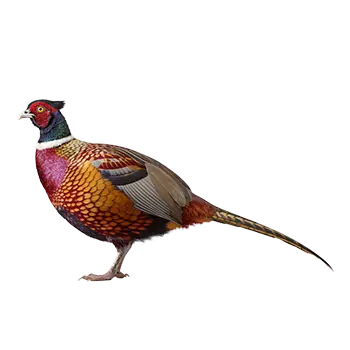

Technology has transformed captive Ring-necked Pheasant management from a practice dependent entirely on manual observation and physical presence to one that can leverage remote monitoring, automated environmental control, and data-driven decision making. While pheasant keeping remains fundamentally a hands-on endeavor that requires daily physical interaction with the birds and their environment, strategically deployed technology extends the keeper's awareness, reduces response time to emerging problems, and provides objective data that supplements subjective observation.
The technology needs of a pheasant operation differ from those of companion bird keeping in important ways. Pheasant aviaries are typically outdoor structures subject to weather extremes, predator pressure, and the physical demands of rain, wind, snow, and temperature cycling. Any electronic device deployed in a pheasant environment must be weatherproof, durable enough to withstand outdoor conditions year-round, and resistant to dust, moisture, and the occasional direct impact from a startled bird. Consumer-grade smart home devices designed for climate-controlled indoor use rarely survive a full season in an outdoor aviary without modification or protective enclosures.
The cost-benefit calculation for technology in pheasant keeping depends heavily on the scale of the operation and the specific problems being addressed. A hobbyist with a single breeding pair in a backyard aviary may find that a basic trail camera and a weather station provide all the technological assistance needed. A breeder managing multiple aviaries across several acres may benefit substantially from networked camera systems, automated feeding equipment, and integrated environmental monitoring that provides a consolidated view of conditions across the entire operation from a single interface.
Privacy and data security deserve mention in any discussion of connected devices deployed on residential properties. Cameras, sensors, and monitoring systems that transmit data over WiFi or cellular networks create potential entry points for unauthorized access if not properly secured. Changing default passwords, enabling encrypted connections where available, and keeping firmware updated are basic hygiene measures that protect the keeper's privacy and prevent the monitoring system itself from becoming a vulnerability.