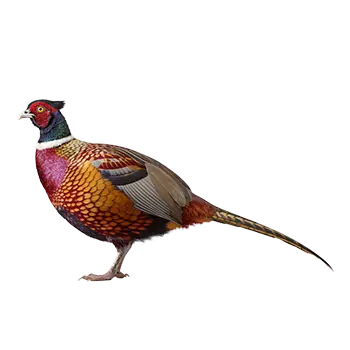

Managing Ring-necked Pheasants in captivity requires a set of specialized accessories that reflect the unique behavioral and physical characteristics of this species. Unlike companion birds that are handled daily and live in close association with their owners, pheasants are semi-wild birds that are best managed with minimal direct contact, efficient equipment, and well-designed systems that reduce stress during necessary interactions such as feeding, watering, health checks, and enclosure maintenance. The right accessories make daily management smoother and less disruptive to the birds.
The accessory needs of a pheasant operation vary with its scale and purpose. A backyard keeper maintaining a breeding pair requires basic feeding and watering equipment, identification supplies, and a catching tool for occasional handling. A larger operation producing birds for release or exhibition needs the same core items in greater quantity, plus specialized equipment for mass processing, transport, and behavioral management. Regardless of scale, the guiding principle is that every accessory should reduce handling time, minimize stress, and support the health and productivity of the birds.
Quality matters more than variety in pheasant accessories. A well-made feeder that resists tipping, excludes rain, and holds several days' worth of feed is more valuable than a collection of cheap feeders that spill, rust, and need daily attention. Similarly, a single high-quality catching net that is properly sized and maintained serves better than multiple bargain alternatives that fray, bend, or fail at the moment they are needed most. Investing in durable, purpose-built equipment from manufacturers who understand game bird management pays dividends over years of use.
Safety considerations specific to pheasants should guide every accessory purchase. These birds are prone to panic responses that send them crashing into walls, ceilings, and any objects in their flight path. Accessories placed within the enclosure must be free of sharp edges, protruding hardware, and entanglement hazards. Feeders and waterers should have smooth profiles that will not lacerate a bird that collides with them at speed. Any item that enters the aviary should be evaluated not only for its intended function but also for its potential to cause injury during the inevitable moments of sudden, explosive flight.