
Nutritional Needs

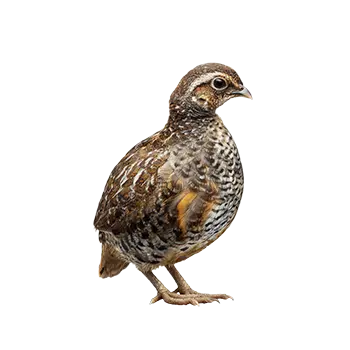
Button Quail are among the smallest commercially kept avian species, and their diminutive size creates nutritional demands that differ substantially from those of larger poultry or companion birds. Weighing between one and two ounces as adults, these birds have a rapid metabolism that requires consistent access to energy-dense, nutrient-complete food. A diet that falls short in any major nutrient category will show consequences quickly, often within days rather than weeks, because the bird's small body has virtually no reserves to draw upon during periods of nutritional stress.

Protein is the cornerstone of Button Quail nutrition. Wild populations of Excalfactoria chinensis spend a significant portion of their foraging time hunting small invertebrates on the forest floor, and captive birds retain this need for animal-source protein. Growing chicks require feed with protein content in the range of twenty-eight to thirty percent, while adults in maintenance condition do well with twenty to twenty-four percent protein. Breeding hens need protein levels closer to the chick range to support egg production without depleting their own body condition. Meeting these protein thresholds through commercial feed alone is possible, but supplementation with live or dried insects provides amino acid diversity that grain-based feeds cannot fully replicate.

Calcium and phosphorus balance is critical, particularly for breeding birds. Button Quail hens can lay prolifically, sometimes producing an egg every day during peak breeding season, and each egg draws heavily on the hen's calcium stores. A calcium-to-phosphorus ratio of approximately two to one is ideal, and this ratio should be maintained through a combination of feed formulation, supplemental calcium sources, and dietary management. Without adequate calcium, hens are at high risk for egg binding, soft-shelled eggs, and metabolic bone weakness.

Fat content in the diet should be moderate and sourced primarily from seeds and insects rather than added oils. Button Quail are prone to fatty liver disease when fed excessively rich diets, especially in sedentary captive conditions where their movement is more limited than it would be in the wild. A total dietary fat content of three to five percent is generally appropriate for maintenance birds, with slight increases acceptable during cold weather or active breeding periods when energy demands are higher.

What to Look For

Selecting the right base feed for Button Quail requires understanding that these birds occupy a nutritional niche between true poultry and companion finches. Standard chicken layer or broiler feeds are formulated for much larger birds with different metabolic profiles, and their pellet or crumble sizes are often physically too large for a Button Quail to consume comfortably. Conversely, most companion bird seed mixes lack the protein density and micronutrient fortification that quail require. The best starting point is a high-quality game bird starter or grower crumble, which delivers appropriate protein levels in a particle size small enough for these tiny birds to eat efficiently.

Granule and crumble size is a practical consideration that directly affects feed intake. Button Quail have very small beaks relative to other gallinaceous birds, and they feed by pecking rapidly at the ground surface. Feed particles should be fine enough that the bird can pick them up without difficulty but not so powdery that they create dust, which can irritate the respiratory tract. A fine crumble consistency, roughly the texture of coarse sand, works well for adults. Chicks in their first week benefit from feed that has been ground even finer, either by the manufacturer or by running standard crumble through a clean coffee grinder.

Ingredient quality matters significantly in feeds for such small birds because every gram consumed represents a larger percentage of daily intake than it would for a chicken or duck. Look for feeds where the first several ingredients are identifiable protein and grain sources rather than byproduct meals or fillers. Soybean meal, fish meal, wheat, milo, and corn are all acceptable primary ingredients. Avoid feeds that list sugar, artificial colors, or animal fat high on the ingredient list, as these indicate a formulation optimized for palatability and cost rather than nutritional completeness.

Medicated feeds designed for chickens should be used with caution or avoided entirely. Some coccidiostats and growth promoters included in standard poultry feeds have not been tested on birds as small as Button Quail, and the concentration per unit of body weight may be inappropriately high. If coccidiosis prevention is a concern in your flock, discuss species-appropriate options with an avian veterinarian rather than relying on medicated commercial poultry feed.

Recommended Feed Types

Game bird starter crumble with protein content between twenty-four and thirty percent serves as the ideal base diet for Button Quail of all ages. Several major poultry feed manufacturers produce game bird formulations that work well, and these are widely available through farm supply retailers. The game bird category exists because species like quail, pheasant, and chukar have higher protein needs than domestic chickens, and the formulations reflect those requirements. For adult Button Quail in non-breeding condition, a game bird maintenance or grower formula with slightly lower protein in the twenty to twenty-two percent range can reduce the risk of kidney strain from chronic excess protein.

Turkey starter crumble is a viable alternative when game bird feed is unavailable. Turkey starter is formulated with protein levels in the twenty-six to twenty-eight percent range and is manufactured in a fine crumble that Button Quail can manage physically. The amino acid profile of turkey feed is reasonably close to what quail need, making it a practical substitute. Some keepers use turkey starter as their primary feed year-round, adjusting protein intake through supplemental foods rather than switching between feed formulations.

Finch and softbill seed mixes serve as useful supplementary feeds rather than dietary foundations. A quality finch mix containing millet varieties, canary grass seed, and small amounts of niger and flax seed provides foraging enrichment and dietary variety. These seeds are appropriately sized for Button Quail and encourage natural ground-foraging behavior. However, seed mixes alone are nutritionally incomplete for quail, lacking adequate protein, calcium, and several essential vitamins. They should constitute no more than fifteen to twenty percent of total daily food intake.

Insectivore diets formulated for softbill birds can serve as a protein-rich supplement alongside the base crumble. These products are typically made from dried insects, egg protein, and fruit meals, and they provide amino acids that plant-based feeds may lack. Offering a small dish of insectivore diet alongside the primary game bird crumble gives the birds an additional protein source and adds textural variety to their feeding routine.

Live Foods and Protein Supplements

Live insects are not merely a treat for Button Quail but a nutritionally significant component of a complete diet. In their native habitats across Southeast Asia and Australia, wild Button Quail derive a substantial portion of their protein and fat intake from small arthropods encountered during ground foraging. Captive birds exhibit immediate and enthusiastic feeding responses to live insects, and providing them regularly supports natural behavior patterns, improves feather condition, and enhances breeding success.

Small crickets, marketed as pinhead or one-eighth-inch size, are the most practical live food option for Button Quail. These can be purchased from reptile supply retailers or bred at home in modest colonies. Mealworms are another excellent choice, though they should be offered in their smaller larval stages rather than as full-grown larvae, which can be difficult for Button Quail to swallow. Waxworms provide a high-fat supplement useful during cold weather or for birds in breeding condition, but their fat content makes them unsuitable as an everyday offering. Flightless fruit flies are ideal for newly hatched chicks, which are extraordinarily small and cannot manage even the tiniest crickets in their first days.

Dried insect products have improved considerably in recent years and offer a convenient alternative when live food is impractical. Dried black soldier fly larvae, marketed under various brand names, provide excellent protein and calcium content in a shelf-stable form. Dried mealworms are widely available and well-accepted, though they should be rehydrated briefly before offering to very young chicks. Freeze-dried crickets retain more of their nutritional value than heat-dried products and are increasingly available through pet and poultry supply channels.

Egg food, a staple in finch and canary keeping, translates well to Button Quail husbandry. Commercial egg food products or homemade mixtures of hard-boiled egg crumbled with fine breadcrumbs and grated vegetables provide highly digestible protein in a format the birds readily consume. During breeding season and chick rearing, egg food can be offered daily as a primary protein supplement. Outside of breeding, two or three servings per week are sufficient to maintain condition without overloading dietary protein.

Treats and Supplements

Calcium supplementation is the single most important dietary addition for Button Quail, particularly for breeding hens. Crushed oyster shell offered in a small dish provides free-choice calcium that birds can consume according to their individual needs. The oyster shell should be crushed to a fine grade appropriate for small birds rather than the coarse poultry grade sold for chickens, which contains pieces too large for Button Quail to swallow. Cuttlebone, a familiar calcium source in the companion bird world, can be crumbled and offered in a dish, though it is more expensive per unit of calcium than oyster shell.

Grit serves a different function than calcium supplementation, though the two are sometimes confused. Button Quail, like other gallinaceous birds, benefit from insoluble grit such as fine granite particles, which lodge in the gizzard and help grind food mechanically. Parakeet-grade or canary-grade grit is appropriately sized for Button Quail. Grit should be offered in a separate dish from calcium sources so that birds can self-regulate their intake of each. Some commercial grit products combine calcium carbonate with insoluble stone, which is acceptable but makes it harder for birds to control their calcium intake independently.

Greens and vegetables provide vitamins, moisture, and enrichment. Finely chopped dark leafy greens such as romaine lettuce, dandelion leaves, chickweed, and spinach in small quantities are all suitable. Sprouted seeds offer a nutritional boost over dry seeds, with significantly higher vitamin content and improved digestibility. Small-seeded sprouting blends marketed for poultry or companion birds work well, and the sprouting process takes only two to three days with basic equipment. Vegetables should be chopped small enough that the birds can peck at manageable pieces, roughly the size of a grain of rice or smaller.

Vitamin and mineral supplements added to drinking water are available but should be used with care. Over-supplementation is a genuine risk with birds this small, since the margin between adequate and excessive dosing is narrow. A well-formulated game bird crumble combined with varied fresh foods and live insects generally provides complete nutrition without the need for water-soluble vitamin additives. If supplementation is warranted due to a restricted diet or veterinary recommendation, follow dosing instructions precisely and use products specifically designed for avian use rather than general poultry preparations.

Foods to Avoid

Several foods that are safe or even beneficial for larger poultry species pose genuine risks to Button Quail. The small body mass of these birds means that toxic compounds reach dangerous concentrations faster and at lower absolute doses than they would in a chicken or even a Coturnix quail. Avocado is toxic to all birds and should never be offered in any form. The persin compound found throughout the fruit, skin, pit, and leaves causes cardiac failure and respiratory distress, and there is no safe quantity for any avian species.

Chocolate, caffeine, and alcohol are lethal to birds and must be kept well away from any area where Button Quail are housed or allowed to forage. Even small amounts of chocolate contain sufficient theobromine to kill a bird weighing less than two ounces. Coffee grounds, tea leaves, and energy drinks are similarly dangerous. These warnings may seem obvious, but accidental exposure is a genuine risk in household settings where quail are kept in living areas and allowed supervised floor time.

Raw dried beans contain hemagglutinin, a lectin that is highly toxic to birds. Kidney beans, lima beans, and navy beans are among the most dangerous in their raw state. Cooking destroys the lectin completely, so thoroughly cooked beans are safe to offer in small quantities as a protein source. However, the safest practice is to avoid beans entirely in the Button Quail diet, since the risk of offering inadequately cooked beans outweighs the modest nutritional benefit they provide when so many safer protein sources are available.

Onions, garlic, and related allium vegetables cause oxidative damage to red blood cells in birds, leading to hemolytic anemia with repeated exposure. Rhubarb leaves contain oxalic acid at concentrations toxic to small birds. High-salt foods such as chips, pretzels, and processed snacks are dangerous because Button Quail have extremely limited ability to excrete excess sodium. Sugary foods encourage yeast overgrowth and contribute to obesity and fatty liver disease. As a general rule, any processed human food should be considered inappropriate for Button Quail, and whole natural foods should form the entirety of their supplementary diet.

Feeding Schedule and Management

Button Quail should have continuous access to their base game bird crumble throughout the day. Unlike some companion birds that benefit from measured portions at set times, quail are grazing foragers that eat small amounts frequently. Removing food for extended periods creates stress and can lead to dangerous blood sugar drops in birds with such rapid metabolisms. A small, shallow dish of crumble refilled daily ensures consistent access while allowing the keeper to monitor consumption and identify any sudden changes in appetite that might signal illness.

Fresh foods and supplements are best offered in the morning, when the birds are most active and eager to forage. A small dish of chopped greens, sprouted seeds, or egg food placed in the enclosure early in the day gives the birds several hours to consume perishable items before they begin to wilt or spoil. Any uneaten fresh food should be removed by midday in warm conditions or by evening in cooler environments to prevent bacterial growth. Live insects can be offered once or twice daily, scattered directly onto the substrate to encourage natural foraging behavior rather than placed in a dish.

Water must be available at all times and changed at least once daily. Button Quail are ground-dwelling birds that can easily foul their water by kicking substrate into open dishes, so a shallow, stable water vessel placed on a raised platform or surrounded by a ring of clean pebbles helps maintain water cleanliness. Some keepers prefer small nipple or tube waterers designed for quail or poultry chicks, which virtually eliminate contamination. During hot weather or when feeding dry crumble without accompanying fresh foods, water consumption increases, and more frequent changes may be necessary.

Monitoring body condition is essential because the dense feathering of Button Quail makes visual weight assessment unreliable. A small digital kitchen scale accurate to the gram is an invaluable tool for tracking weight trends. Weekly weigh-ins establish a baseline for each bird, and deviations of more than ten percent from that baseline warrant dietary review and possibly veterinary consultation. Breeding hens should be weighed more frequently, as rapid weight loss during laying season can indicate calcium depletion or inadequate caloric intake that needs immediate correction.

Always consult a qualified professional before making any health-related decisions. This content is provided for informational reference only and should not replace professional guidance specific to your animal.