
Housing Requirements

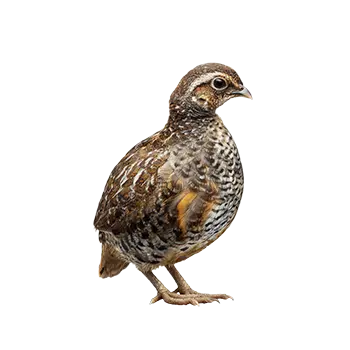
Button Quail have housing needs that diverge sharply from those of typical companion birds. As obligate ground dwellers, they do not perch, climb, or use the vertical space that parrots and finches depend on. Instead, they require broad, horizontal floor area with a low ceiling height, deep substrate for foraging and dust bathing, and secure cover where they can retreat when startled. Understanding these fundamental behavioral characteristics is essential before selecting or building an enclosure, because a housing choice that works beautifully for a finch or canary can be dangerous or stressful for a Button Quail.

Ceiling height is arguably the most critical and most frequently overlooked dimension in Button Quail housing. These birds have an instinctive startle response called boinking, in which they launch themselves vertically with considerable force when frightened. In enclosures with hard ceilings above eighteen inches, a boinking quail can strike the top with enough impact to cause skull fractures, brain injury, or death. The ideal ceiling height for a Button Quail enclosure is between ten and fourteen inches, which is low enough that the bird cannot build dangerous upward momentum. Alternatively, enclosures with higher ceilings can be made safe by attaching soft fabric or foam padding to the ceiling surface, though keeping the ceiling low is the more reliable solution.

Floor space should be as generous as practically possible. A pair of Button Quail needs a minimum of four square feet of floor area, though six to eight square feet allows for more natural behavior and reduces territorial stress. Larger groups require proportionally more space, with an additional two to three square feet per bird being a reasonable guideline. These minimums apply to indoor housing where the birds are confined full-time. Birds kept in large walk-in aviaries with mixed species obviously benefit from much greater area, but even in that context, the ground-level zone accessible to the quail must be spacious enough for comfortable foraging and nesting.

Ventilation is essential but must be balanced against draft protection. Button Quail are tropical in origin and sensitive to cold, damp air currents. Enclosures need adequate airflow to prevent ammonia buildup from droppings and to maintain healthy humidity levels, but they should not be positioned in direct drafts from windows, doors, or air conditioning vents. Wire mesh sides provide excellent ventilation in warm climates, while solid-sided enclosures with ventilated tops or backs work better in cooler or more variable environments.

Enclosure Types

Large plastic-base tub cages, sometimes marketed as rabbit or guinea pig enclosures, are among the most popular housing choices for indoor Button Quail. These enclosures feature a deep solid plastic base that contains substrate effectively and a wire or mesh top that provides ventilation and access. The deep base, typically four to six inches, is ideal for holding the generous substrate layer that Button Quail need. Models with a flat wire top rather than a domed one are preferable, as the flat design keeps ceiling height consistent and allows easy attachment of padding material for boink protection.

Modified storage tubs and bins offer an economical and customizable alternative. Large, clear plastic storage containers with ventilation holes drilled or cut into the lid provide excellent visibility, easy cleaning, and a naturally low ceiling. The smooth plastic walls eliminate the risk of toe or leg injuries that can occur with wire mesh flooring, and the transparency allows the birds to acclimate to household activity without the stress of sudden visual surprises. Many experienced quail keepers consider modified bins to be the safest indoor housing option available, particularly for newly acquired birds still adjusting to captivity.

Aviary housing allows Button Quail to be kept in a more naturalistic setting, often alongside other bird species. In mixed-species aviaries, Button Quail serve as ground-level inhabitants, foraging beneath perches used by finches, doves, or small softbills. The aviary floor should include areas of deep substrate, planted sections with dense low-growing cover, and sheltered corners where the quail can nest and hide. Aviaries work best when the quail have access to covered zones where they feel secure, as fully open floor space without visual barriers creates chronic stress in these prey-oriented birds.

Outdoor housing is feasible in warm climates but introduces predator protection as a primary concern. Button Quail are small enough to be targeted by snakes, rats, cats, hawks, and even large insects in some regions. Any outdoor enclosure must be constructed with hardware cloth of one-half inch or smaller mesh on all sides, including the bottom, to exclude predators. Buried mesh extending six inches underground prevents digging predators from gaining access. Outdoor enclosures also need weatherproofing in the form of a solid roof section and windbreaks, since Button Quail cannot tolerate wet, cold, or windy conditions.

Substrate Options

Substrate selection profoundly affects the health, behavior, and comfort of captive Button Quail. These birds spend their entire lives on the ground, foraging, dust bathing, nesting, and resting directly on whatever material covers the enclosure floor. The substrate is not merely bedding but a functional environment that the birds interact with constantly. A poor substrate choice can lead to foot problems, respiratory irritation, ingestion hazards, or behavioral deprivation, while the right substrate supports natural behaviors and simplifies maintenance.

Aspen shavings are widely regarded as the safest wood-based substrate for Button Quail. They are soft, absorbent, relatively dust-free, and free of the aromatic oils that make cedar and pine shavings potentially harmful to avian respiratory systems. A layer of aspen shavings two to three inches deep provides adequate cushioning, allows the birds to scratch and forage through the material, and absorbs moisture from droppings effectively. Aspen shavings are readily available at pet supply retailers and represent a good balance of cost, safety, and performance for most indoor setups.

Coconut coir, sold as compressed bricks that expand when hydrated, offers excellent moisture management and a naturalistic texture that Button Quail seem to find particularly appealing. The fine, fibrous structure of coir encourages foraging behavior and can be mixed with dried leaves, hay, or seed scatter to create a rich substrate environment. Coir holds moisture without becoming soggy, which helps maintain appropriate humidity levels around ground-nesting birds. Its natural resistance to mold is an additional advantage in humid environments. The primary drawback is that coir must be thoroughly dried after initial hydration before use, as excessively damp substrate promotes fungal growth and chills ground-dwelling birds.

Sand is sometimes used for Button Quail and does provide an excellent medium for dust bathing, which is an important comfort behavior. However, fine sand used as the sole substrate presents risks. Ingested sand can accumulate in the crop or gizzard in quantities that cause impaction, particularly in young birds or birds that are not receiving adequate grit separately. Sand also provides minimal cushioning and does not absorb liquid waste well, requiring more frequent complete changes. A better approach is to offer sand as a dust bath option in a contained dish or designated corner while using a softer material as the primary floor covering.

Substrates to avoid include cedar shavings, which release phenol compounds harmful to avian respiratory tissue; cat litter, which can cause fatal impaction if ingested; newspaper alone, which provides no foraging enrichment, becomes slippery when wet, and offers no cushioning; and corn cob bedding, which molds rapidly when damp and can cause crop impaction. Any substrate should be replaced fully on a regular schedule and spot-cleaned between changes to maintain hygiene.

Nesting and Shelter

Providing adequate hiding and nesting areas is not optional for Button Quail but a fundamental welfare requirement. In the wild, these birds rely on dense ground cover to feel secure from aerial predators, and captive birds that lack visual shelter exhibit chronic stress behaviors including constant pacing, refusal to sit, excessive boinking, and feather loss. A well-designed enclosure should offer multiple hiding spots distributed across the floor area so that all inhabitants can find cover without being forced into close proximity with each other.

Commercial hide boxes designed for small rodents work surprisingly well for Button Quail. Wooden or ceramic hideouts sold for hamsters, mice, or gerbils provide enclosed dark spaces where quail can rest undisturbed. Models with multiple openings are preferable to single-entrance designs, as Button Quail feel more comfortable with an escape route and may refuse to enter a structure with only one way out. Half-log hides made from natural cork or bark are another excellent option, providing a naturalistic aesthetic while offering the overhead cover the birds crave.

Artificial plants and dense foliage provide visual barriers and a sense of security without occupying usable floor space to the same extent as solid hide structures. Silk or plastic plants designed for terrariums can be placed in clusters around the enclosure perimeter and in corners, creating a canopy effect at ground level. Live plants are even better for naturalistic aviaries, though they must be nontoxic species and robust enough to withstand the constant scratching and pecking of ground-dwelling birds. Grasses, ferns, and dense ground covers work well in planted aviary settings.

Nesting areas for breeding pairs should include a sheltered corner or alcove with extra substrate depth. Button Quail build simple scrape nests on the ground, hollowing out a shallow depression in the substrate and sometimes lining it with fine grasses or small feathers. Providing a dedicated nesting zone with a layer of timothy hay or soft dried grass over the standard substrate gives the hen suitable material to work with. The nesting area should be positioned in the most sheltered part of the enclosure, away from the primary traffic flow and feeding stations, to give the sitting hen as much peace as possible.

Lighting and Temperature

Button Quail originate from warm, subtropical and tropical regions of Southeast Asia, China, and Australia, and their temperature requirements reflect this heritage. Ambient temperatures between seventy and eighty-five degrees Fahrenheit represent the comfortable range for these birds, with sustained temperatures below sixty-five degrees posing a risk of hypothermia, especially in birds that are wet, stressed, or in poor condition. Indoor enclosures in climate-controlled homes usually remain within acceptable ranges, but birds housed in garages, outbuildings, or outdoor aviaries may need supplemental heating during cooler months.

Ceramic heat emitters mounted above the enclosure provide gentle, non-light-emitting warmth that does not disrupt the birds' natural day-night cycle. These emitters screw into standard heat lamp fixtures and produce infrared heat without visible light, making them suitable for use around the clock when temperatures drop. The emitter should be positioned outside the enclosure and directed through a mesh top, with a thermostat controlling the output to prevent overheating. Radiant heat panels designed for reptile or poultry brooders are another effective option, offering even heat distribution and low fire risk compared to traditional heat lamps.

Lighting serves both a practical and a biological function for Button Quail. A consistent photoperiod of twelve to fourteen hours of light followed by ten to twelve hours of darkness supports normal hormonal cycling and behavioral patterns. Full-spectrum lighting that includes ultraviolet wavelengths in the UVA and UVB range aids in calcium metabolism and general well-being, though it is less critical for quail than for some reptile species because their dietary calcium sources are more readily bioavailable. Standard room lighting is adequate for non-breeding birds, but dedicated avian-spectrum bulbs positioned above the enclosure benefit breeding pairs and birds housed in rooms with limited natural light.

Night lighting should be minimized. Button Quail are diurnal and need a genuine dark period for rest. Red or blue night lights marketed for reptiles are sometimes used in quail enclosures, but these can disrupt rest cycles and are generally unnecessary unless the birds are in an area with absolutely no ambient light and the keeper needs to check on them overnight. If a low-level night light is deemed necessary, a very dim warm-spectrum option positioned at a distance from the enclosure is preferable to a light source mounted directly on or inside the housing.

Cleaning and Maintenance

Maintaining clean housing is essential for preventing the respiratory and digestive illnesses that can quickly become life-threatening in birds as small as Button Quail. A regular cleaning schedule that includes daily spot work and periodic full substrate changes keeps ammonia levels low, reduces bacterial and fungal loads, and provides the keeper with regular opportunities to observe the birds' droppings and behavior for early signs of health problems. Neglected enclosures develop ammonia concentrations that damage the delicate respiratory tissue of ground-dwelling birds within days, not weeks.

Daily maintenance should include removing any visible droppings from the substrate surface, replacing soiled nesting material, changing drinking water, and wiping down food dishes. Spot cleaning is most efficiently done with a small scoop or spoon, removing affected substrate and replacing it with fresh material. In well-ventilated enclosures with deep substrate and moderate stocking density, daily spot cleaning is usually sufficient to maintain acceptable conditions between full changes. Droppings produced by Button Quail are small and relatively dry, which simplifies daily maintenance compared to species that produce wetter waste.

Full substrate changes should occur every one to two weeks depending on the number of birds, enclosure size, substrate depth, and ambient conditions. Warm, humid environments accelerate bacterial growth and ammonia production, requiring more frequent full changes. During a complete substrate change, the enclosure should be emptied entirely, and all surfaces wiped down with a bird-safe disinfectant or a dilute vinegar solution. Rinse all surfaces thoroughly after disinfection and allow them to dry completely before adding fresh substrate and returning the birds to the enclosure. Hides, dishes, and other furnishings should be washed at the same time.

Disinfection products must be chosen carefully. Many household cleaners contain volatile compounds, fragrances, or residues that are harmful to birds. Products specifically labeled as bird-safe or avian-approved are the safest option. A dilute solution of white vinegar, approximately one part vinegar to three parts water, is effective against many common pathogens and leaves no harmful residue after rinsing. Chlorhexidine-based disinfectants are widely used in avian veterinary practice and are available through poultry supply vendors. Bleach can be used at a very dilute ratio of one tablespoon per gallon of water, but it must be rinsed exhaustively and the enclosure aired completely before the birds are reintroduced.

Multi-Bird and Mixed-Species Setups

Housing multiple Button Quail together requires attention to social dynamics, space allocation, and sex ratios. In the wild, these birds live in pairs or small groups, and captive flocks generally do best when maintained as pairs or trios consisting of one male and one or two females. Multiple males housed together without adequate space will fight, sometimes inflicting serious injuries with their spurred legs. A minimum of four square feet per pair is necessary, with additional floor space and visual barriers helping to reduce conflict in groups containing more than one male.

Sex ratio management is the single most important factor in preventing aggression in multi-bird setups. A ratio of one male to two or three females distributes the male's mating attention and reduces harassment of any individual hen. All-female groups can coexist peacefully in most cases, though egg production will obviously be infertile. All-male groups are the most challenging configuration and generally require either very large enclosures with abundant visual barriers or surgical or hormonal intervention to manage aggression, making them impractical for most keepers.

Mixed-species aviaries can work well when species are carefully selected for compatibility. Button Quail occupy the ground level of an aviary and generally coexist peacefully with species that use higher levels, including finches, small softbills, and doves. Problems arise when ground-foraging species compete for the same ecological niche or when larger birds bully the diminutive quail. Avoid housing Button Quail with other quail species, aggressive ground feeders, or any bird large enough to injure them. The aviary floor should include enough shelter and cover that the quail can avoid unwanted contact with other species.

Introducing new birds to an established group or enclosure requires patience and observation. Placing the new bird in a temporary enclosure within sight of the existing birds for several days allows visual acclimation before direct contact. When the divider is removed, watch closely for aggressive chasing, pinning, or feather pulling, which indicate incompatibility. Having multiple food and water stations prevents dominant birds from monopolizing resources, and providing extra hiding spots gives subordinate birds escape routes. If aggression persists beyond the first few hours, separate the birds and reconsider the pairing.

Always consult a qualified professional before making any health-related decisions. This content is provided for informational reference only and should not replace professional guidance specific to your animal.