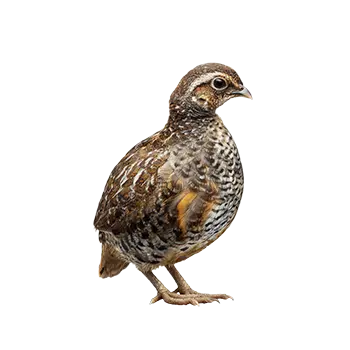

Understanding Button Quail Enrichment

Enrichment for Button Quail looks nothing like enrichment for parrots or finches. These birds do not manipulate objects with their feet, solve puzzle feeders with their beaks, or swing from hanging toys. Their behavioral repertoire is rooted in the ground, and every meaningful enrichment strategy must account for this. Wild Button Quail spend their days scratching through leaf litter, probing soft soil for invertebrates, dust bathing in dry patches, and navigating complex ground-level terrain made up of fallen branches, grass tussocks, and low-growing vegetation. Effective captive enrichment recreates the essential elements of this ground-foraging lifestyle.

Behavioral observation is the starting point for any enrichment program. Watching how individual birds interact with their environment reveals which activities they find most engaging. Some Button Quail are enthusiastic scratchers, spending long periods kicking through substrate in search of food. Others are more visually oriented, responding strongly to novel objects or changes in enclosure layout. Still others are primarily motivated by dust bathing and will use a fresh sand bath for extended sessions. A good enrichment strategy offers variety across these categories so that every bird in a group has access to activities that match its individual tendencies.

The frequency of enrichment changes matters as much as the enrichment itself. Button Quail are naturally alert to changes in their environment, and a static enclosure that never changes becomes psychologically dull over time. Rotating enrichment items on a weekly or biweekly cycle, rearranging furnishings, introducing new substrate textures, and varying the location of food scatter all contribute to an environment that keeps the birds mentally engaged. The changes do not need to be dramatic. Moving a hide from one corner to another or adding a small pile of dried leaves to a previously bare area is sufficient to stimulate investigation and foraging behavior.

Enrichment should never compromise safety. Button Quail are small, fragile birds that can be injured by objects with sharp edges, small openings that trap toes or heads, or materials that break into ingestible fragments. Every item introduced into the enclosure should be evaluated for these risks before the birds are allowed access. When in doubt about the safety of an item, observe the birds with it during a supervised session before leaving it in the enclosure unattended.

Foraging Enrichment

Foraging is the primary behavioral need of Button Quail and the category of enrichment with the greatest potential to improve quality of life in captivity. In the wild, these birds may spend four to six hours per day actively foraging, a time investment that captive birds fed from open dishes can complete in minutes. Extending foraging time through scattered feeding, hidden food, and complex substrates addresses both the nutritional and behavioral dimensions of this need simultaneously.

Scatter feeding is the simplest and most effective foraging enrichment technique for Button Quail. Rather than placing the daily seed or crumble ration in a dish, scatter it across the substrate surface or mix it into the top layer of bedding. The birds will spend extended periods scratching, pecking, and sifting through the substrate to locate individual food items, closely replicating their natural foraging behavior. A thin layer of timothy hay or dried leaves placed over scattered food adds an additional challenge, requiring the birds to move and investigate the covering material before accessing the food beneath.

Leaf litter is one of the most valuable and underutilized enrichment materials for ground-dwelling birds. Clean, dry leaves from nontoxic trees such as oak, maple, or beech can be collected, dried thoroughly, and scattered across the enclosure floor in a loose layer. Button Quail respond to leaf litter with immediate and sustained foraging activity, scratching through the leaves with the same vigorous two-footed kick they would use on a forest floor. Scattering a few live insects beneath the leaf litter transforms a passive substrate into an active foraging challenge that engages the birds for extended periods.

Sprouting trays offer a living foraging environment that changes day to day. A shallow tray planted with wheatgrass, millet, or other small seeds provides growing sprouts that the birds can peck at as they emerge. The tray can be rotated into the enclosure once the sprouts reach a height of one to two inches and replaced with a fresh tray when the growth has been consumed. This system provides fresh greens, physical foraging activity, and visual novelty in a single enrichment format. Small patches of pesticide-free sod or turf serve a similar purpose and have the added benefit of harboring tiny invertebrates that the birds will hunt.

Sensory and Environmental Enrichment

Sensory enrichment addresses the full range of Button Quail perceptual experience, not just the foraging drive. These birds have excellent vision, keen hearing, and a well-developed sense of touch through their feet, and enrichment that engages these senses contributes to a more complete captive experience. Visual enrichment is often the easiest to provide and the most overlooked. Enclosures positioned where the birds can observe household activity, outdoor scenery through a window, or the movements of other animals provide passive visual stimulation throughout the day.

Substrate texture variation is a form of tactile enrichment that Button Quail seem to appreciate strongly. Rather than filling the entire enclosure floor with a single uniform substrate, creating zones of different textures encourages exploration and provides sensory diversity. A section of fine sand for dust bathing, an area of coconut coir for scratching, a patch of dried moss, and a zone of standard aspen shavings create a micro-landscape that the birds navigate and investigate throughout the day. Each texture offers different feedback through the feet and encourages different behaviors.

Small mirrors placed at ground level occasionally generate interest from Button Quail, though their response is less dramatic than that of parrots or budgerigars. Some individuals will approach a mirror with curiosity, examine their reflection briefly, and move on. Others may display mild territorial posturing before losing interest. Mirrors should be introduced as temporary enrichment items rather than permanent fixtures, and any bird that shows signs of persistent aggression toward its reflection should have the mirror removed. Positioning the mirror flat on the substrate rather than upright reduces the likelihood of startle-induced boinking.

Auditory enrichment in the form of natural sound recordings can have a calming effect on captive quail, particularly birds that are housed in quiet environments. Recordings of forest ambience, birdsong, or gentle rainfall played at low volume provide background stimulation that approximates the soundscape of the birds' natural habitat. The volume should be kept very low, barely audible to human ears at a distance of several feet from the speakers, because Button Quail have sensitive hearing and excessive noise causes stress rather than enrichment. Avoid recordings that include sudden loud sounds, predator calls, or alarm vocalizations from other bird species.

Dust Bathing Stations

Dust bathing is a critical maintenance behavior for Button Quail, serving functions related to feather care, parasite control, and psychological well-being. Birds that lack access to suitable dust bathing material often develop dull, oily plumage, increased feather mite vulnerability, and behavioral signs of frustration. Providing a dedicated dust bathing station is therefore not a luxury but a basic welfare provision that ranks alongside adequate food, water, and shelter in importance.

The ideal dust bath medium for Button Quail is fine, clean play sand mixed with a small amount of food-grade diatomaceous earth. The sand provides the abrasive action that helps remove excess oil and debris from feathers, while the diatomaceous earth acts as a natural desiccant that discourages ectoparasites. A ratio of approximately four parts sand to one part diatomaceous earth works well. The mixture should be placed in a shallow dish or tray with low sides that the birds can easily step into and out of. A dish approximately six to eight inches in diameter and one to two inches deep accommodates a single bird comfortably.

Chinchilla dust, a commercially available bathing powder made from volcanic pumice, is another excellent option. It is extremely fine-grained, highly absorbent, and produces the powdery cloud effect that stimulates enthusiastic bathing behavior in gallinaceous birds. Chinchilla dust is more expensive per unit than play sand but lasts longer because less material is needed to achieve effective bathing action. Some keepers offer chinchilla dust as a special treat supplement to the standard sand bath, rotating it in once or twice a week for variety.

Placement and access are important considerations. The dust bath should be positioned in an open area of the enclosure where the bird can see its surroundings while bathing, as Button Quail are reluctant to engage in this vulnerable behavior in enclosed or corner locations where they feel trapped. If the enclosure is large enough, offering two dust bath stations in different locations gives multiple birds simultaneous access and reduces competition. The bath medium should be replaced or refreshed when it becomes visibly soiled with droppings or food debris, which typically occurs every few days depending on the number of birds using it.

Safe DIY Enrichment Ideas

Many of the most effective enrichment items for Button Quail can be made at home from inexpensive, readily available materials. The key requirement is that all materials used must be nontoxic, free of sharp edges or entanglement hazards, and sized appropriately for a bird that weighs less than two ounces. A creative approach to DIY enrichment can provide a constantly rotating selection of novel experiences without significant expense.

Cardboard tunnels made from paper towel or toilet paper rolls laid flat on the substrate create pathways that Button Quail will walk through, investigate, and sometimes use as temporary hiding spots. These can be cut in half lengthwise to create open-top channels rather than closed tubes, which some birds find less intimidating. Placing a few seeds or a small piece of leafy green inside the tunnel encourages investigation. Cardboard tubes should be replaced regularly as they become soiled, and any adhesive residue from the original packaging should be removed before use.

Small piles of clean, dried herbs scattered on the substrate provide olfactory enrichment and encourage foraging behavior. Dried chamomile flowers, dried oregano, dried basil, and dried lavender are all safe for birds and produce subtle scents that stimulate investigation. The herbs can be mixed into the substrate, sprinkled over leaf litter, or placed in small clusters around the enclosure. Many of these herbs also have mild natural antibacterial or calming properties, though these effects are secondary to their enrichment value.

Small, smooth stones or pebbles arranged on the substrate create terrain variation that the birds must navigate around and over. River rocks roughly one to two inches in diameter are ideal, large enough that they cannot be swallowed but small enough that they do not dominate the available floor space. Arranging the stones in small clusters with gaps between them creates sheltered micro-environments that the birds investigate and sometimes rest beside. The stones can be rearranged periodically to refresh the novelty.

Pine cones collected from pesticide-free areas and thoroughly cleaned make engaging ground-level objects for Button Quail. The complex texture of a pine cone attracts pecking investigation, and small seeds or dried insect fragments tucked between the scales create a natural foraging puzzle. Pine cones should be baked at low temperature for approximately an hour to kill any parasites, mold spores, or insect larvae before being introduced to the enclosure. Replace pine cones when they become visibly soiled or begin to break apart.

Enrichment to Avoid

The companion bird market is filled with enrichment products designed for parrots, finches, and canaries that are inappropriate or dangerous for Button Quail. Understanding which product categories to avoid is as important as knowing what to provide, because the small size and ground-dwelling nature of these birds create vulnerability to hazards that would be inconsequential for a parrot or cockatiel.

Hanging toys of any kind serve no purpose for Button Quail and present an injury risk. These birds do not interact with suspended objects, and a swinging toy positioned above the substrate can startle a bird into a boinking episode, resulting in head injury. Bells, chains, and dangling beads are designed for birds that manipulate objects with their feet and beaks while perched, a behavioral repertoire entirely absent in Button Quail. Even small hanging toys marketed for finches should not be placed in a Button Quail enclosure.

Mirror toys with metal edging, small plastic components, or attached hardware pose ingestion and laceration risks. While a simple, flat mirror can be used carefully as described in the sensory enrichment section, complex mirror assemblies with small parts that could detach or sharp metallic frames are not suitable. Button Quail will peck at almost anything at ground level, and their investigative pecking can dislodge small components that are then swallowed, potentially causing crop or gizzard impaction.

Swings, ladders, perches, and climbing structures are structurally irrelevant to Button Quail behavior and take up floor space that the birds need. Unlike parrots that actively use vertical enrichment, Button Quail may injure themselves attempting to navigate structures they are not physiologically equipped to use. A quail that steps onto a swinging perch is likely to be thrown off balance and panic, triggering the dangerous boinking response. Any enrichment item that reduces available floor space without serving a ground-level function represents a net negative for Button Quail welfare.

Treated or dyed materials should be avoided entirely. Colored wood, painted objects, and items treated with preservatives, varnishes, or stains may release volatile compounds that are harmful in the enclosed, ground-level airspace where Button Quail live. Natural, untreated wood, unbleached cardboard, and food-grade materials are always safer choices. When purchasing commercial items from pet or craft stores, inspect them carefully for coatings, glues, or chemical treatments that could pose a risk.

Seasonal and Rotational Enrichment

A rotational enrichment program prevents habituation and keeps Button Quail engaged over the long term. Birds that receive the same enrichment items in the same configuration week after week eventually stop interacting with them, reducing the environmental complexity to the functional equivalent of a bare enclosure. Planning a rotation of enrichment activities and materials across a two to four week cycle ensures that the birds encounter novel or refreshed stimulation regularly without requiring an overwhelming inventory of supplies.

Seasonal enrichment takes advantage of natural materials available at different times of year. Autumn provides dried leaves in abundance, offering the best natural leaf litter of the year. Spring and summer allow for fresh-cut grass clippings, growing trays of wheatgrass or clover, and access to outdoor foraging areas for supervised sessions. Winter, when natural materials are scarce, is a good time to emphasize indoor enrichment like herb scatters, varied substrate textures, and enclosure rearrangement. Aligning enrichment with the seasonal calendar adds variety naturally and keeps the keeper attentive to changing opportunities.

Breeding season enrichment should include nesting materials and increased substrate depth in designated areas. Providing dried grasses, small feathers, and fine hay gives breeding hens material to incorporate into their nests, satisfying a strong instinctive drive. Foraging enrichment can be intensified during breeding season to offset the increased metabolic demands on laying hens, with more frequent scatter feedings and live insect offerings distributed throughout the day.

Keeping an enrichment log, even a simple checklist, helps ensure consistent variety and allows the keeper to track which items generate the most engagement from individual birds. Noting which enrichment activities a particular bird or pair responds to most strongly over time allows the rotation to be refined toward maximum behavioral benefit. An enrichment log also helps identify periods when enrichment has been neglected, which can happen easily during busy stretches, and prompts the keeper to refresh the environment before the birds experience prolonged monotony.

Always consult a qualified professional before making any health-related decisions. This content is provided for informational reference only and should not replace professional guidance specific to your animal.