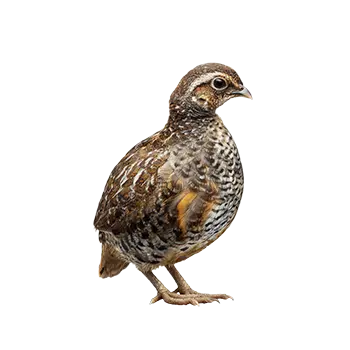

Outfitting a Button Quail habitat goes well beyond the enclosure itself. The right accessories make the difference between a setup that merely contains the birds and one that supports their health, simplifies daily care, and enables the keeper to respond effectively when problems arise. Because Button Quail are small, ground-dwelling, and easily stressed by handling, many standard bird accessories must be adapted or replaced with alternatives better suited to the species. Products designed for parrots, canaries, or even larger quail species are frequently the wrong scale, shape, or configuration for a bird that weighs an ounce and a half and never leaves the ground.
Accessory selection should prioritize function over aesthetics. A ceramic dish that looks attractive in a parrot cage may be too tall for a Button Quail to reach into comfortably. A decorative water fountain designed for finches may be too deep for safe use by a bird small enough to drown in two inches of water. Every accessory placed in a Button Quail enclosure should be evaluated from the bird's perspective, with attention to whether it is the right size, the right height, and free of hazards specific to a tiny ground-dwelling species.
Investing in quality accessories from the beginning saves money and frustration over time. Inexpensive plastic dishes crack, lightweight feeders tip over, and poorly designed water systems leak and create damp substrate that fosters mold and bacterial growth. Durable ceramic or stainless steel alternatives cost more upfront but withstand years of daily use, tolerate repeated washing and disinfection, and maintain a stable position on the enclosure floor. The initial investment in well-chosen accessories is modest relative to the ongoing costs of feed, substrate, and veterinary care.
A complete accessory inventory for a Button Quail setup includes feeding and watering equipment, weighing and health monitoring tools, transport and handling aids, and basic first aid supplies. The sections that follow address each category in detail, with specific product recommendations and selection criteria tailored to the unique requirements of this species.