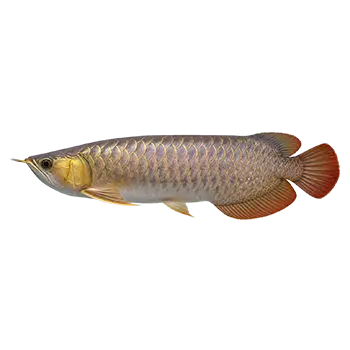

When Does Senior Begin?

Determining when an arowana has entered its senior years is not as straightforward as checking a calendar. Unlike mammals, fish do not gray or wrinkle in obvious ways, and the transition from prime adulthood to the senior stage is gradual rather than abrupt. Generally, arowana are considered to be entering their senior years somewhere between ten and fifteen years of age, depending on the species, the quality of lifelong care, and individual genetic factors.

The first signs of aging in arowana are often subtle and easy to overlook. A slight reduction in activity level is one of the earliest indicators. The fish may spend more time resting in a preferred spot rather than continuously patrolling the tank. Its feeding response may become less vigorous, with the fish taking longer to strike at food or showing less enthusiasm at feeding time. These changes are normal and do not necessarily indicate illness, but they do signal that the keeper should begin adapting care routines to accommodate the fish's changing needs.

Physical changes associated with aging include a gradual dulling of coloration, particularly in species known for vivid pigmentation. Scales may lose some of their reflective sheen, and the fish's overall body condition may begin to soften slightly. The fins may show minor fraying or thinning at the edges, and the barbels may become less prominent. These changes are cosmetic and do not typically affect the fish's quality of life, but they serve as visible reminders that the arowana is entering a new phase.

It is important for keepers to adjust their expectations during the senior years. A fifteen-year-old arowana will not display the same energy, coloration, or feeding vigor as a five-year-old, and attempting to push the fish back to peak performance through aggressive feeding or environmental manipulation is counterproductive and potentially harmful. Embracing the senior stage as a natural and dignified phase of the fish's life is an essential part of responsible long-term fishkeeping.

Reduced Activity & Swimming Changes

As arowana age, their swimming patterns and overall activity levels undergo noticeable changes. The constant, vigorous patrolling that characterized the adult years gives way to a more measured, deliberate pace. Senior arowana tend to spend more time hovering in place or drifting slowly through their tank, reserving bursts of speed for feeding or startle responses. This reduced activity is a normal age-related change and should not be confused with illness unless accompanied by other concerning symptoms.

The fish's spatial preferences within the tank may also shift. Some senior arowana develop a strong attachment to a particular area of the tank and may resist moving from that spot for extended periods. Others may begin spending more time at lower levels of the water column than they did during their prime, occasionally resting near the substrate. While arowana are naturally surface-oriented, minor changes in depth preference are not unusual in aging fish.

Keepers should ensure that the tank environment accommodates reduced mobility. Sharp decorations, tight spaces between equipment, and strong currents that the fish once navigated with ease may now pose challenges. Simplifying the tank layout to provide open swimming space and gentle water flow helps prevent injuries and reduces the physical demands placed on the aging fish.

Exercise remains beneficial for senior arowana, but the intensity should be moderated. Gentle current flows that encourage slow, sustained swimming are preferable to strong currents that force the fish to expend energy maintaining position. Feeding strategies that require moderate movement to capture food help maintain muscle tone without overstressing a fish whose endurance has naturally declined.

Age-Related Health Conditions

Senior arowana become increasingly susceptible to a range of health conditions that are uncommon or rare in younger fish. Tumors, both internal and external, are one of the more frequently reported issues in aging arowana. External tumors may appear as lumps or growths on the body, fins, or head, while internal tumors may manifest as unexplained swelling, changes in body shape, or progressive weight loss despite normal feeding. Not all growths are malignant, but any new lumps should be evaluated by a veterinarian experienced in fish medicine.

Organ degeneration is an inevitable consequence of aging in all animals, and arowana are no exception. The liver, kidneys, and digestive system gradually lose efficiency over time, which can affect the fish's ability to process food, filter waste, and maintain electrolyte balance. Signs of organ decline include changes in appetite, altered fecal appearance, fluid retention causing bloating, and a general loss of body condition that does not respond to dietary adjustments.

Eye problems become more common in senior arowana. Cloudiness of the lens, reduced visual acuity, and worsening of pre-existing drop eye conditions can all occur as the fish ages. While some degree of visual decline may be inevitable, maintaining excellent water quality helps slow the progression of eye problems and reduces the risk of secondary infections that can complicate existing conditions.

The immune system of a senior arowana is less robust than that of a younger fish, making it more vulnerable to opportunistic infections that a prime-age fish would easily fight off. Bacterial infections, fungal outbreaks, and parasitic infestations that were once minor nuisances can become serious threats in an aging fish. Preventive measures, including impeccable water quality and careful quarantine of any new introductions to the tank, become even more critical during the senior years.

Nutrition for Aging Arowana

Dietary adjustments are an important component of senior arowana care. As the fish's metabolism slows and its activity level decreases, caloric requirements decline accordingly. Continuing to feed an aging arowana at the same frequency and portion size as during its prime years will almost certainly lead to obesity, fatty liver disease, and water quality problems from excess waste. Most senior arowana thrive on feedings every other day or even every third day, with portion sizes reduced to match their diminished energy expenditure.

The composition of the diet may also need to shift. Softer food items are generally easier for aging fish to consume and digest. Earthworms, peeled shrimp, and soft-bodied insects are preferable to hard-shelled prey that may be difficult for a fish with reduced jaw strength or digestive efficiency to process. Some keepers find that cutting larger food items into smaller pieces improves acceptance and reduces the risk of choking or regurgitation.

Nutritional supplementation becomes particularly important during the senior years. Vitamins, especially fat-soluble vitamins that support immune function and organ health, can be delivered by gut-loading feeder insects or soaking food items in a liquid vitamin supplement before offering them to the fish. Omega-3 fatty acids from marine sources may support cardiovascular and joint health, though research specific to arowana is limited.

Monitoring body condition becomes more nuanced in senior fish. A slight rounding of the belly between feedings is normal and healthy, but progressive weight gain or loss should prompt a review of feeding practices. Senior arowana that refuse food for more than a week should be evaluated for underlying health problems, as prolonged fasting in an aging fish can lead to rapid deterioration of body condition and organ function.

Water Quality & Stability

Senior arowana are more sensitive to water quality fluctuations than their younger counterparts, and maintaining rock-steady parameters becomes even more important during the aging years. The fish's reduced immune function and diminished physiological resilience mean that water conditions that a prime-age arowana would tolerate with minimal stress can trigger health crises in a senior fish. Consistency is the guiding principle.

Water change routines should remain frequent and predictable. Some keepers find that switching from larger weekly changes to smaller, more frequent changes of ten to fifteen percent every three to four days reduces the osmotic stress on aging fish while still maintaining excellent water quality. Regardless of the schedule, the replacement water should be temperature-matched, dechlorinated, and aged to match the tank's existing chemistry as closely as possible.

Temperature stability deserves extra attention in senior arowana tanks. Aging fish are less able to thermoregulate and cope with temperature swings. A reliable heating system with redundancy, such as dual heaters with a temperature controller, provides essential protection against the catastrophic consequences of a heater failure. The target temperature can be reduced slightly for senior arowana, with a range of 76 to 80 degrees Fahrenheit often recommended to reduce metabolic demands without dropping below the fish's comfort zone.

Oxygen levels should be monitored and maintained at optimal concentrations. Senior fish with reduced gill efficiency may struggle in water with low dissolved oxygen, especially during warm weather or in heavily stocked tanks. Increasing surface agitation, adding an airstone, or adjusting the filter outflow to create more gas exchange at the surface all help ensure adequate oxygenation for an aging arowana.

Quality of Life Assessment

Evaluating quality of life in a senior arowana requires honest, ongoing assessment of the fish's behavior, physical condition, and apparent comfort level. A fish that continues to feed with reasonable interest, swims with purpose even at a reduced pace, maintains stable body condition, and responds to its keeper's presence is generally enjoying a good quality of life. These positive indicators should be noted and appreciated as evidence that the care provided is meeting the fish's needs.

Conversely, certain signs suggest that a senior arowana's quality of life may be declining. Persistent refusal to eat over multiple weeks, chronic difficulty maintaining balance or buoyancy, visible signs of discomfort such as rapid breathing or constant fin clamping, and progressive weight loss despite available food all indicate that the fish may be suffering. These symptoms should be evaluated in the context of the fish's overall trajectory, as a single bad day is not the same as a sustained decline.

Keepers should maintain a log of observations during the senior years, recording feeding behavior, activity patterns, and any changes in appearance on a weekly basis. This record provides an objective reference that helps distinguish between normal fluctuations and genuine downward trends. Without written records, it is easy to normalize gradual decline because the changes happen slowly enough to escape notice day to day.

The emotional bond between a keeper and an arowana that has been in their care for a decade or more is significant and should be acknowledged. This bond can sometimes make it difficult to assess quality of life objectively, as the desire to keep the fish alive may cloud judgment about whether the fish is actually thriving or merely surviving. Consulting with a veterinarian or an experienced arowana keeper for an outside perspective can provide valuable clarity during difficult decisions about an aging fish's care.

Always consult a qualified professional before making any health-related decisions. This content is provided for informational reference only and should not replace professional guidance specific to your animal.