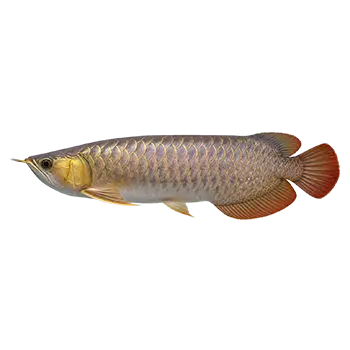

The First Days After Hatching

Arowana fry enter the world in an extraordinary way compared to most aquarium fish. As mouthbrooders, the male arowana carries fertilized eggs inside his mouth for several weeks before releasing fully formed fry. When the fry are finally released, they are relatively large compared to the young of other fish species, often measuring two to three inches in length. This head start in size gives them certain advantages, but they remain extremely delicate and require attentive care from the keeper.

During the first few days after the fry are released from the father's mouth, they will still carry a visible yolk sac attached to their underbelly. This sac provides essential nutrition and should never be disturbed or manually removed. The fry will appear sluggish and may rest near the bottom of the tank or hover in place, which is perfectly normal behavior during yolk absorption. Avoid any sudden changes to the tank environment during this critical window, as stress can lead to premature yolk sac detachment and serious health consequences.

It is essential to have the rearing tank fully prepared before the fry arrive. The tank should be cycled, stable in temperature and pH, and free of any aggressive tankmates. A bare-bottom setup or one with minimal, smooth substrate is ideal for newborn arowana, as it makes it easier to monitor feeding, spot uneaten food, and maintain water cleanliness during these vulnerable first days.

Keepers should dim the lighting during the initial period to reduce stress on the fry. Arowana fry are sensitive to bright, direct light and may become erratic or refuse to feed if lighting conditions are too intense. A gentle photoperiod of eight to ten hours with low-intensity lighting helps simulate a more natural and calming environment.

Feeding & Early Nutrition

Once the yolk sac is fully absorbed, typically within the first three to five days, the fry will begin actively searching for food. At this stage, their mouths are already large enough to accept small live foods, which are strongly preferred over prepared diets. Newly hatched brine shrimp, small daphnia, and micro worms are excellent first foods that stimulate the fry's natural predatory instincts and provide high-quality nutrition.

Feeding frequency is critical during the newborn stage. Arowana fry should be offered small meals three to four times per day to support their rapid growth rate. Overfeeding in a single session should be avoided, as uneaten food will quickly foul the water. Instead, offer only as much as the fry can consume within a few minutes, then remove any leftovers promptly with a gentle siphon or turkey baster.

As the fry grow through the first few weeks, their diet can be gradually expanded to include slightly larger prey items such as small bloodworms and chopped earthworms. The transition should be gradual, introducing one new food at a time to monitor acceptance and ensure the fry are digesting properly. A varied diet from an early age helps establish robust digestive health and encourages well-rounded nutritional intake.

Water quality is intimately tied to feeding success. Each feeding session introduces organic waste into the tank, so partial water changes of ten to fifteen percent should be performed daily or every other day during this stage. Using aged, dechlorinated water matched to the tank's temperature and pH will minimize shock while keeping ammonia and nitrite levels safely at zero.

Developmental Milestones

Arowana fry develop rapidly once they begin feeding independently. Within the first week of free swimming, most fry will have fully absorbed their yolk sac and will be actively hunting food throughout the tank. Their body shape will begin to elongate, and the characteristic arowana profile, with its upturned mouth and streamlined body, will become more defined.

By the end of the second week, the fry should be swimming confidently near the surface of the water, displaying the top-dwelling behavior that is typical of arowana throughout their lives. Surface orientation is a positive developmental sign, and fry that consistently remain at the bottom of the tank after the first week may be struggling with health or environmental issues that warrant investigation.

During the third and fourth weeks, color development begins to emerge, though it will remain subtle at this stage. Depending on the species and variety, faint hints of gold, red, silver, or green may appear along the scales and gill covers. Full coloration will take months or even years to develop, but these early traces can give keepers a preliminary sense of the fish's eventual appearance.

Growth rate during the newborn period is heavily influenced by water quality, feeding frequency, diet quality, and tank space. Under optimal conditions, arowana fry can grow approximately one inch per month during their first few months of life. Keeping detailed growth records by measuring and photographing the fry at regular intervals helps track progress and identify any individuals that may be falling behind.

Tank Setup & Water Parameters

The rearing tank for newborn arowana does not need to be enormous, but it must be appropriately sized for the number of fry being raised. A tank in the range of twenty to forty gallons works well for a small group of fry during the first few weeks. As the fry grow, they will need to be moved to progressively larger enclosures or thinned out to prevent overcrowding and aggression.

Water parameters should be maintained within a stable range. The ideal temperature for arowana fry is between 80 and 84 degrees Fahrenheit. The pH should remain between 6.5 and 7.0, and water hardness should be kept on the softer side, generally below 8 dGH. Consistency is more important than hitting a precise number, so avoid making sudden adjustments that could stress the fry.

Filtration should be gentle but effective. A sponge filter is the preferred choice for a fry tank, as it provides biological filtration without creating strong currents that could exhaust the fry or trap them against intake grates. Air-driven sponge filters also provide gentle surface agitation to promote gas exchange without disrupting the calm water surface that arowana fry prefer.

A secure lid or cover is absolutely essential from day one. Even very young arowana are capable of jumping, and this instinct is present from the earliest stages of life. A tight-fitting lid with no gaps larger than a quarter inch will prevent tragic losses. Many experienced keepers also keep the water level a few inches below the rim as an additional precaution.

Early Behavioral Signs

Newborn arowana exhibit a number of behaviors that provide insight into their well-being. Healthy fry will be alert and responsive, orienting toward movement outside the tank and tracking potential food items with their eyes. They tend to swim with smooth, deliberate movements near the water's surface, occasionally darting to capture prey. A fry that hovers motionlessly for extended periods, lists to one side, or swims erratically may be experiencing health problems.

Aggression can appear surprisingly early in arowana development. Even among fry from the same clutch, dominant individuals may begin chasing or nipping at smaller siblings within the first few weeks. This behavior can escalate quickly in cramped conditions, leading to fin damage, stress, and reduced feeding in subordinate fish. Keepers should monitor group dynamics closely and be prepared to separate individuals if aggression becomes severe.

Arowana fry are naturally skittish and will react to sudden movements, vibrations, and loud noises by darting rapidly around the tank. This startle response can result in collisions with tank walls or decor, potentially causing injury. Placing the rearing tank in a low-traffic area of the home and minimizing disturbances during the first few weeks helps the fry acclimate and reduces the risk of stress-related injury.

Feeding behavior is one of the best indicators of overall health. Fry that eagerly approach food and strike at prey items are generally thriving. A sudden loss of appetite, reluctance to feed, or spitting out food after striking can signal water quality problems, internal parasites, or early-stage illness and should prompt immediate water testing and closer observation.

Health Monitoring & Disease Prevention

Arowana fry are susceptible to a range of health issues during their earliest weeks, and prevention is far more effective than treatment at this fragile stage. The most common threats include fungal infections on residual yolk sac tissue, bacterial infections from poor water quality, and parasitic infestations introduced through live food sources. Maintaining pristine water conditions and sourcing live foods from reputable suppliers are the two most impactful preventive measures a keeper can take.

Daily visual inspections are essential. Keepers should observe each fry for signs of trouble, including white or fuzzy patches on the skin or fins, clamped fins, rapid gill movement, cloudy eyes, or any visible growths or lesions. Early detection of problems is critical because arowana fry have limited reserves to fight off illness, and conditions can deteriorate rapidly if left unaddressed.

Quarantining new live food cultures before offering them to the fry can help prevent the introduction of disease. Brine shrimp hatched from cysts are generally safe, but wild-collected foods such as daphnia or tubifex worms carry a higher risk of harboring parasites or harmful bacteria. When in doubt, stick with cultured foods from controlled environments.

Any treatment of sick fry should be approached with extreme caution. Many common fish medications are formulated for adult fish and can be too harsh for fry at reduced or even standard dosages. Always consult a veterinarian experienced in aquatic medicine before administering any treatment, and never dose a fry tank based on general guidelines intended for mature fish.

When to Worry

There are several warning signs that indicate a newborn arowana may be in distress and needs immediate attention. Failure to absorb the yolk sac within the expected timeframe of three to five days is a serious concern. A yolk sac that appears swollen, discolored, or is dragging on the bottom of the tank suggests a possible infection or developmental abnormality. In such cases, isolate the affected fry and seek veterinary guidance promptly.

Refusal to eat after the yolk sac has been absorbed is another red flag. While some fry may take a day to begin feeding actively, any fry that has not eaten within 48 hours of yolk absorption is at risk of rapid decline. Try offering different food types and sizes, ensure the water parameters are within optimal range, and reduce environmental stressors such as bright light or nearby activity.

Sudden death of one or more fry without obvious external symptoms often points to water quality failure. Ammonia and nitrite spikes are the most common culprits in fry tanks, especially in setups that are newly established or receiving heavy feedings. Test the water immediately if unexplained losses occur, and perform an emergency partial water change if any toxin levels are detectable.

Persistent bottom-sitting, gasping at the surface, or erratic swimming patterns such as spiraling or floating upside down indicate serious physiological distress. These symptoms can be caused by a range of issues including swim bladder problems, neurological damage, oxygen deprivation, or toxin exposure. While some conditions may be treatable, others may indicate genetic defects that are not compatible with long-term survival. A veterinarian experienced in fish medicine can help determine the cause and recommend appropriate next steps.

Always consult a qualified professional before making any health-related decisions. This content is provided for informational reference only and should not replace professional guidance specific to your animal.