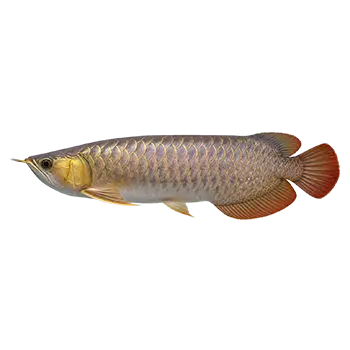

Breeding Readiness

Arowana breeding is one of the most challenging endeavors in freshwater fishkeeping, requiring extensive space, patience, and experience. Before any breeding attempt can be considered, the fish must reach sexual maturity, which typically occurs between three and five years of age depending on the species and the conditions in which they have been raised. Size is often a more reliable indicator than age alone, with most arowana needing to reach at least eighteen to twenty-four inches before they are physiologically capable of reproducing.

Sexing arowana is notoriously difficult, as there are few reliable external differences between males and females. In some species, males may have a slightly broader or deeper head shape and a more prominent lower jaw to accommodate mouthbrooding, but these differences are subtle and inconsistent. Some breeders use body shape assessments when viewed from above, noting that females tend to be rounder in the abdomen, particularly when carrying eggs. However, definitive sex determination often requires experience with many individuals or, in commercial operations, ultrasound examination by a veterinarian.

Any pair intended for breeding must be in peak health with excellent body condition. Both fish should be free of disease, deformities, and chronic stress. Nutritional preparation begins months before a breeding attempt, with both fish receiving a varied, nutrient-dense diet rich in whole prey items. Vitamins and minerals that support reproductive health, including calcium, phosphorus, and fat-soluble vitamins, should be emphasized through high-quality food sources.

The decision to breed arowana should not be taken lightly. The space requirements are enormous, the process is unpredictable, and the keeper must have a plan for raising or rehoming potentially dozens of fry. Responsible breeders consider the market, the welfare of the offspring, and the long-term commitment involved before proceeding with any pairing.

Courtship & Pairing

Arowana courtship is a gradual, often prolonged process that can take weeks or months before spawning occurs. Introducing a potential breeding pair requires extreme caution, as arowana are territorial and aggressive, and initial meetings between two adult fish frequently involve intense confrontation. Some breeders use a transparent divider to allow the fish to see and assess each other before physical introduction, removing the barrier only when both fish appear calm and non-aggressive in each other's presence.

Once a pair has been introduced, courtship behaviors may include parallel swimming, gentle circling, and the male displaying his extended fins and open mouth to the female. The pair may spend extended periods swimming side by side along the length of the tank, occasionally touching or nudging each other. These behaviors can occur intermittently over several weeks before progressing to actual spawning, and keepers should resist the urge to intervene or rush the process.

Environmental conditions play an important role in triggering courtship behavior. Many breeders simulate seasonal changes by gradually adjusting water temperature, photoperiod, and water chemistry to mimic the onset of a rainy season, which is the natural breeding trigger for many arowana species in the wild. Slight drops in temperature followed by gradual warming, combined with increased water changes using slightly softer, cooler water, can help stimulate reproductive behavior.

Not all pairings will be successful, and keepers must be prepared for the possibility that two fish simply will not accept each other as mates. Persistent aggression, with one or both fish sustaining injuries, is a clear sign that the pairing is not compatible. Forcing incompatible fish to remain together can result in serious injury or death, and the pair should be separated immediately if aggression does not diminish within a reasonable timeframe.

Spawning & Egg Development

When spawning occurs, the female releases a relatively small number of large, yolk-rich eggs, typically between thirty and one hundred depending on the species and the female's size and condition. The eggs are significantly larger than those of most aquarium fish, often measuring over a centimeter in diameter, which reflects the advanced developmental state of the fry at hatching. The male fertilizes the eggs externally as they are released, and the spawning event itself is usually brief, lasting only a few minutes.

Immediately after fertilization, the male arowana collects the eggs into his mouth, beginning the mouthbrooding process that is one of the most remarkable features of arowana reproductive biology. The male will carry the developing eggs in his buccal cavity for approximately six to eight weeks, during which time he does not eat. This extended fasting period is physically demanding and is one of the reasons that breeding males must be in excellent body condition before spawning.

During the incubation period, the male should be disturbed as little as possible. Excessive stress, sudden environmental changes, or aggressive tankmates can cause the male to prematurely release or even consume the developing eggs. Some breeders remove the female from the tank after spawning to eliminate any source of conflict, while others maintain the pair together if the female's presence does not appear to agitate the brooding male.

The eggs develop slowly within the male's mouth, progressing through embryonic stages until the fry emerge as fully formed miniature arowana with attached yolk sacs. The keeper cannot observe this process directly without risking disturbance, so patience and a hands-off approach are essential. Monitoring the male's behavior from a distance, looking for jaw movements that suggest the eggs are being aerated and repositioned, provides indirect confirmation that incubation is progressing normally.

Fry Release & Early Rearing

The male arowana releases the fully developed fry from his mouth after approximately six to eight weeks of incubation. The fry emerge as relatively large, well-developed fish measuring two to three inches in length, each carrying a substantial yolk sac that provides nutrition for the first several days of free-swimming life. The number of surviving fry at release is often lower than the original egg count, as some eggs may fail to develop or may be accidentally consumed during the incubation period.

The moment of fry release is a critical transition point. Some breeders prefer to let the male release the fry naturally into the breeding tank, then carefully remove either the male or the fry to a separate rearing setup. Others intervene before natural release, gently encouraging the male to open his mouth and collecting the fry directly. This latter approach carries significant risk of injuring the male or the fry and should only be attempted by experienced breeders who are confident in the technique.

Once the fry are in a dedicated rearing tank, the priority shifts to providing optimal conditions for the early growth stage. The rearing tank should be established and fully cycled well in advance, with stable water parameters matched to the breeding tank. A bare-bottom setup with sponge filtration, gentle lighting, and a secure cover provides the safest environment for the newly released fry. Detailed care instructions for this stage can be found in the Newborn and Baby Care section of this guide.

The brooding male will appear noticeably thinner after releasing the fry, having fasted for nearly two months. Recovery feeding should begin with small, easily digestible food items and gradually increase in size and quantity over the following weeks. The male should be monitored for signs of illness or exhaustion, as the physical toll of mouthbrooding can leave the immune system temporarily compromised.

Challenges of Captive Breeding

Breeding arowana in captivity presents a unique set of challenges that distinguish it from breeding most other aquarium fish. The foremost obstacle is space. A breeding pair of arowana requires a tank or pond of truly substantial proportions, typically several hundred gallons at minimum and ideally much larger. The physical dimensions must allow both fish to move freely, establish territories, and engage in courtship behaviors without being forced into constant close proximity.

The unpredictability of arowana breeding adds another layer of difficulty. Even well-established pairs in ideal conditions may go years without spawning, or may spawn once and never again. Environmental triggers that consistently induce breeding in wild populations are difficult to replicate precisely in captivity, and there is no guaranteed formula for success. Breeders must maintain their setup, their commitment, and their pair in peak condition over extended periods without any assurance of results.

Legal and regulatory considerations are an important factor in arowana breeding that varies significantly by region. Several arowana species, most notably the Asian arowana, are protected under international wildlife trade regulations. Breeding, selling, and transporting these species may require permits, microchipping of individual fish, and compliance with documentation requirements. Breeders should thoroughly research the legal requirements in their jurisdiction before undertaking any breeding project involving regulated species.

The economics of arowana breeding are also worth careful consideration. The costs associated with maintaining a large breeding setup, feeding two or more adult arowana, running heavy-duty filtration and heating systems, and raising fry to sellable size are substantial. While certain arowana varieties command high prices, the financial return is far from guaranteed, and many hobbyist breeders find that the expenses exceed any revenue generated from fry sales.

Responsible Breeding Ethics

Ethical arowana breeding begins with a commitment to the welfare of both the breeding fish and their offspring. The physical demands of breeding, particularly the extended fasting during mouthbrooding, place significant stress on the male. Breeding pairs should be given adequate recovery time between spawning events, and no fish should be pushed to breed repeatedly without sufficient time to restore body condition and overall health. A male that has recently completed a brooding cycle should be allowed months of recovery before any subsequent breeding attempt.

The welfare of the fry is equally important. Responsible breeders must have a realistic plan for every fish produced. Arowana grow large, require specialized care, and can live for decades. Producing fry without confirmed homes or a reliable market creates a welfare problem, as unwanted arowana may end up in inadequate conditions, passed from keeper to keeper, or abandoned. Breeding should only occur when there is reasonable certainty that every surviving fry will find a suitable, long-term home.

Genetic diversity and health should guide breeding decisions. Pairing closely related individuals or selectively breeding for extreme physical traits at the expense of overall vigor and hardiness is detrimental to the long-term health of captive populations. Responsible breeders maintain records of lineage and avoid inbreeding, selecting pairs that are likely to produce robust, healthy offspring rather than prioritizing color intensity or other cosmetic traits.

Transparency with buyers is a hallmark of ethical breeding practice. Providing accurate information about the parentage, age, health history, and care requirements of each fry allows new owners to make informed decisions and provide appropriate care. Misrepresenting the species, variety, or quality of fry for financial gain undermines trust within the fishkeeping community and ultimately harms the fish that end up in the hands of unprepared owners.

Always consult a qualified professional before making any health-related decisions. This content is provided for informational reference only and should not replace professional guidance specific to your animal.