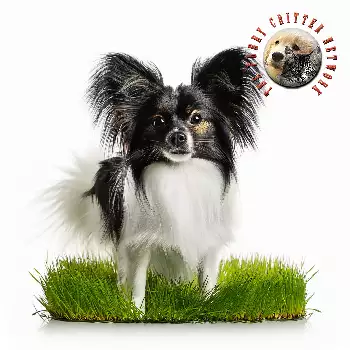

Papillons are among the longest-lived dog breeds, with many individuals reaching fourteen to sixteen years and some exceeding that range. Because of this exceptional longevity, the onset of the senior stage occurs later than in larger breeds. Most veterinary professionals consider a Papillon to be entering its senior years around ten to twelve years of age, though the transition is gradual and individual dogs may show signs of aging earlier or later depending on genetics, lifestyle, and overall health history.
The shift from adult to senior is not marked by a single event but rather by a collection of subtle changes that accumulate over time. You may notice your Papillon sleeping a little more, taking a beat longer to rise after resting, or showing slightly less enthusiasm for activities that once provoked immediate excitement. The coat may begin to thin or show gray around the muzzle and face. These changes are normal and do not necessarily indicate illness, but they do signal that your care approach should begin evolving to meet your dog's changing needs.
Once your Papillon enters the senior category, your veterinarian will likely recommend increasing wellness visits from annually to every six months. Semi-annual examinations allow for earlier detection of age-related conditions and more responsive adjustments to diet, exercise, and medication. Senior blood panels, urinalysis, and cardiac evaluations become important baseline tools that help track organ function and catch emerging issues before they become advanced.
Understanding that aging is a process rather than a destination helps frame the senior years in a positive light. Many Papillons remain active, alert, and deeply engaged with their families well into their teens. The senior stage is not about decline so much as it is about adaptation, adjusting routines and expectations to support your dog's continued comfort, dignity, and enjoyment of life.