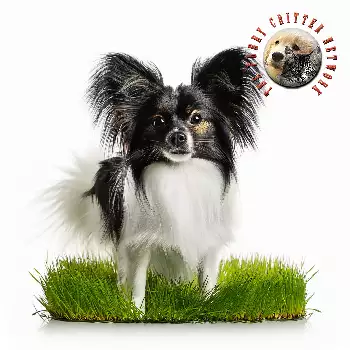

The adult Papillon enters its prime years around twelve months of age and remains in this stage until approximately eight to ten years, depending on the individual dog's health and genetics. During this extended period, the goal shifts from managing growth and development to maintaining optimal health and preventing the gradual onset of age-related conditions. A Papillon in its prime is a vibrant, energetic companion with a zest for life that belies its tiny frame.
Annual veterinary wellness examinations form the cornerstone of preventive health care for the adult Papillon. These visits typically include a thorough physical examination, assessment of body condition, dental evaluation, and a review of vaccination status and parasite prevention. Your veterinarian may also recommend baseline blood work, urinalysis, and fecal testing to establish reference values that can be compared against future results as the dog ages.
Papillons are generally a healthy and long-lived breed, but they are predisposed to certain conditions that warrant monitoring during the adult years. Luxating patella, progressive retinal atrophy, and cardiac conditions such as mitral valve disease are among the breed-specific concerns. Regular veterinary check-ups and awareness of subtle changes in gait, vision, or exercise tolerance can help catch these conditions early when treatment or management options are most effective.
Maintaining a healthy weight is perhaps the single most impactful thing an owner can do for their adult Papillon's long-term health. Even a pound of excess weight on a five to ten pound dog represents a significant percentage increase in body mass, placing additional strain on the heart, joints, and respiratory system. Regular weigh-ins, consistent portion control, and honest assessment of body condition help keep your Papillon lean and agile throughout the prime years.