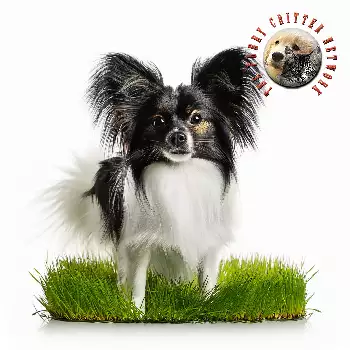

Papillon puppies are among the smallest newborns in the canine world, often weighing as little as three to five ounces at birth. Their tiny size makes the first twenty-four hours an especially critical window where careful monitoring can mean the difference between a thriving puppy and a life-threatening complication. The dam should begin cleaning each puppy immediately after delivery, stimulating breathing and circulation through vigorous licking. If she does not attend to a puppy promptly, gentle rubbing with a warm, soft cloth can replicate this stimulation.
During these initial hours, each puppy must find and latch onto a nipple within the first one to two hours of life. Colostrum, the nutrient-dense first milk, delivers essential maternal antibodies that the puppies cannot produce on their own during the neonatal period. Because Papillon litters are typically small, usually two to four puppies, competition for nursing position is minimal, but the smallest puppy should still be monitored to confirm successful latching.
The whelping area should be kept warm, draft-free, and quiet. Newborn Papillons cannot regulate their own body temperature, and even a brief chill can lead to fading puppy syndrome. A heat lamp or heating pad placed beneath one side of the whelping box allows the dam and puppies to move toward or away from the warmth as needed. Ambient temperature in the whelping area should remain around eighty-five to ninety degrees Fahrenheit for the first week.
Breeders and caretakers should weigh each puppy at birth and again at twelve and twenty-four hours to track early weight trends. A loss of more than ten percent of birth weight in the first day warrants close observation and potentially supplemental feeding with a veterinarian-approved milk replacer. Keeping detailed records from the very first day sets a foundation for monitoring growth through the entire neonatal period.