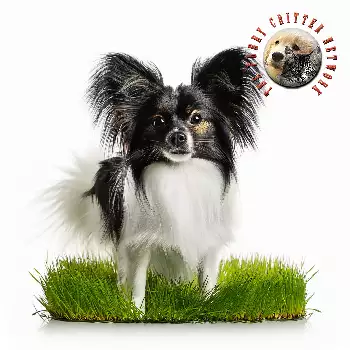

Determining breeding readiness in a Papillon involves far more than simply waiting for the dog to reach sexual maturity. While female Papillons may experience their first heat cycle as early as six to eight months of age, responsible breeders recognize that physical and emotional maturity are not achieved until considerably later. Most breed experts recommend waiting until a female is at least two years old and has completed her health screenings before considering breeding, allowing the skeletal system, internal organs, and temperament to develop fully.
Comprehensive health testing is a non-negotiable prerequisite for any Papillon entering a breeding program. The breed's parent club recommends screening for luxating patella, cardiac conditions, and progressive retinal atrophy at a minimum. Both the prospective sire and dam should be evaluated and certified clear of these conditions before breeding is planned. Additionally, DNA testing for known genetic markers associated with hereditary diseases in the breed helps breeders make informed pairing decisions that reduce the risk of passing detectable conditions to offspring.
The overall physical condition of the breeding candidate must also be evaluated. A female Papillon should be at a healthy weight with good muscle tone, free from active infections or untreated health conditions, and up to date on all vaccinations and parasite prevention. Her dental health should be addressed before breeding, as dental procedures requiring anesthesia are best avoided during pregnancy. The male should be in equally robust health, with confirmed fertility through semen evaluation if there is any reason for concern.
Temperament assessment rounds out the breeding readiness evaluation. Papillons selected for breeding should exemplify the breed's characteristic confidence, friendliness, and intelligence. Dogs with significant behavioral issues such as fearfulness, aggression, or extreme anxiety should not be bred, as temperament has a strong heritable component and these traits can be passed to offspring, creating challenges for future owners and diminishing the breed's overall reputation.