
Peak Health Maintenance

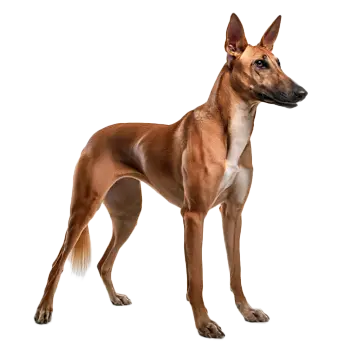
The adult Azawakh, generally considered fully mature between two and three years of age, enters its prime years as a striking, athletic sighthound with a unique combination of elegance and endurance. Maintaining peak health during this period requires a proactive approach that emphasizes prevention over treatment. Annual veterinary examinations form the foundation of adult health care, providing opportunities to detect subtle changes before they become significant problems. Sighthound-experienced veterinarians are particularly valuable, as they understand the breed's naturally lean physique, lower body fat percentage, and unique bloodwork parameters.

The Azawakh's bloodwork can differ from general canine reference ranges in several important ways. Sighthounds typically have higher red blood cell counts, lower white blood cell counts, and lower thyroid values than other breeds. A veterinarian unfamiliar with these breed-specific norms may misinterpret normal results as pathological. Establishing baseline bloodwork values during the healthy adult years provides a personal reference point for each individual dog, making it easier to identify meaningful changes over time.

Parasite prevention should be maintained year-round in most climates. Heartworm prevention is essential, as treatment for heartworm disease is far more risky, expensive, and uncomfortable than prevention. Flea and tick prevention protects against both the direct effects of parasites and the diseases they can transmit. The Azawakh's thin coat and minimal body fat mean that certain topical medications may be absorbed differently than in heavier-coated breeds, so product selection should be discussed with the veterinarian.

Maintaining a healthy weight is critically important for the adult Azawakh. This breed should always appear lean, with ribs easily felt under a thin layer of muscle and the hip bones and last few ribs visible when the dog is in motion. Well-meaning observers may comment that the dog looks too thin, but carrying excess weight places unnecessary strain on the Azawakh's fine-boned frame and can contribute to joint problems and reduced athletic performance.

Nutrition at Maturity

Feeding the adult Azawakh requires an understanding of the breed's high metabolism and naturally lean body composition. A high-quality adult dog food with moderate to high protein content and appropriate fat levels supports the breed's muscular physique and energy needs. Many Azawakh owners find that performance or active-dog formulas better meet their dog's caloric requirements than standard adult maintenance diets, particularly for dogs that are regularly exercised or participate in lure coursing.

Most adult Azawakhs do well on two meals per day, fed at consistent times. Some individuals may benefit from smaller, more frequent meals if they tend to eat quickly or experience digestive sensitivity. Bloat, or gastric dilatation-volvulus, is a concern in deep-chested breeds, and while the Azawakh's incidence is lower than in some other large breeds, sensible feeding practices reduce risk. Avoiding vigorous exercise immediately before and after meals, feeding from a floor-level bowl, and ensuring the dog eats at a moderate pace are all reasonable precautions.

Some owners choose to feed a raw or home-prepared diet, which can work well for the Azawakh if properly formulated to meet all nutritional requirements. Any non-commercial diet should be developed in consultation with a veterinary nutritionist to ensure appropriate balance of proteins, fats, carbohydrates, vitamins, and minerals. Deficiencies or excesses in home-prepared diets are common when they are formulated without professional guidance and can lead to serious health consequences over time.

Fresh water should always be available, and intake should be monitored as a general health indicator. Sudden increases or decreases in water consumption can signal underlying health issues. Treats and supplements should be factored into the overall diet and discussed with the veterinarian to avoid nutritional imbalances or excessive caloric intake.

Exercise & Fitness

The adult Azawakh is a remarkable athlete capable of explosive speed and surprising endurance over short distances. Daily exercise is essential for both physical health and mental well-being, and should include opportunities for the dog to run at full speed in a safely enclosed area. The Azawakh's sprint-and-rest pattern of activity means that a few intense running sessions per week, supplemented by daily walks, provide a better fitness regimen than long-duration, moderate-intensity exercise alone.

Lure coursing is an ideal sport for the Azawakh, allowing the dog to express its natural prey drive in a controlled, competitive setting. Many Azawakh owners find that participation in coursing events dramatically improves their dog's physical condition, mental satisfaction, and overall behavior. Other suitable activities include straight racing, agility at appropriate jump heights, and free running with compatible canine companions in enclosed spaces.

Daily walks remain an important part of the exercise routine, providing mental stimulation through environmental exploration and opportunities for controlled socialization. Walks should be conducted on a secure leash, as the Azawakh's prey drive can produce lightning-fast reactions to small animals. A well-fitted martingale collar or harness is recommended, as the breed's narrow head can slip out of standard flat collars. Walks in varied environments, including parks, neighborhoods, and natural areas, provide the most enriching experience.

Rest and recovery are just as important as active exercise. The Azawakh is a breed that can alternate between intense activity and deep relaxation, and providing a comfortable, quiet resting space is essential. Overexercising can lead to injury, and the adult Azawakh should be allowed to self-regulate its activity level to some degree. Signs of overexertion include excessive panting, reluctance to continue, limping, or stiffness the following day.

Preventive Health Care

Preventive care for the adult Azawakh extends beyond annual vaccinations and parasite control to include screening for breed-specific health concerns. The Azawakh is generally a healthy breed with fewer inherited conditions than many purebred dogs, but awareness of potential issues allows for early detection and management. Cardiac evaluation is recommended, as some sighthound breeds are predisposed to heart conditions. Regular auscultation during veterinary visits and periodic echocardiography can identify developing problems before clinical signs appear.

Hypothyroidism is sometimes diagnosed in Azawakhs, though interpretation of thyroid values in sighthounds requires breed-specific reference ranges. A dog with thyroid values that would be considered low in a Labrador Retriever may be perfectly normal for an Azawakh. Symptoms such as unexplained weight gain, lethargy, coat changes, or skin problems should prompt thyroid testing, but treatment decisions should be based on clinical signs in conjunction with bloodwork rather than numbers alone.

Orthopedic health deserves ongoing attention, particularly for active dogs. While the Azawakh is less prone to hip dysplasia than many large breeds, soft tissue injuries such as muscle strains and ligament sprains can occur during high-speed running. Maintaining lean body condition, providing appropriate warm-up before intense exercise, and addressing any lameness promptly help minimize the risk of serious injury.

Skin health is another area of focus for the Azawakh. The breed's thin coat and relatively exposed skin can be susceptible to cuts, abrasions, and irritation from environmental allergens. Regular inspection of the skin, particularly after outdoor activities, helps catch minor issues before they become infected. Sunburn can occur on lightly pigmented areas, and appropriate protection should be considered during prolonged sun exposure.

Behavioral Maturity

The adult Azawakh that has been well-socialized and consistently trained is a remarkably composed and dignified companion. By two to three years of age, the adolescent testing of boundaries has generally subsided, replaced by a calm confidence and deep loyalty to the family unit. The breed's characteristic aloofness with strangers becomes more refined in adulthood, manifesting as watchful reserve rather than overt suspicion. The mature Azawakh knows its home and family and is quietly vigilant in their protection.

Indoors, the adult Azawakh is often surprisingly quiet and unobtrusive. This breed is capable of spending hours resting on a favorite couch or bed, barely stirring unless something of genuine interest occurs. This calm indoor demeanor contrasts sharply with the explosive athleticism displayed outdoors and is one of the breed's most appealing qualities for owners who appreciate a low-key house companion that transforms into a dynamic athlete on demand.

The bond between an Azawakh and its primary person or family is intense and deeply felt. This breed does not transfer its loyalty casually and can struggle with rehoming or significant changes in household composition. Separation anxiety can develop if the dog is routinely left alone for extended periods, particularly if it has been accustomed to close companionship. Providing mental enrichment during absences, maintaining consistent routines, and ensuring adequate exercise before periods of alone time all help manage this tendency.

Same-sex aggression, if present during adolescence, may persist or intensify in adulthood. Multi-dog households should be managed carefully, with attention to group dynamics and individual relationships. The Azawakh generally does best with one or two compatible canine companions rather than in large groups of dogs. Introducing a new dog to an established Azawakh household requires patience, careful management, and realistic expectations.

Dental & Grooming

The Azawakh's grooming needs are minimal compared to many breeds, but regular attention to dental health, coat condition, and nail care remains important throughout the adult years. The breed's short, fine coat requires only occasional brushing to remove loose hair and distribute natural skin oils. A soft-bristled brush or grooming mitt used once or twice a week is sufficient for most individuals. Bathing should be infrequent, as the Azawakh's skin can become dry and irritated with excessive washing. A bath every few months, or as needed when the dog is genuinely dirty, is typically adequate.

Dental care is an often-overlooked aspect of overall health that has significant implications for the dog's comfort and longevity. Periodontal disease is the most common health condition in adult dogs of all breeds, and the Azawakh is no exception. Daily tooth brushing with a canine-specific toothpaste is the gold standard for preventive dental care. If daily brushing is not feasible, several times per week still provides meaningful benefit. Dental chews and treats can supplement brushing but should not replace it.

Professional dental cleanings under anesthesia may be recommended periodically based on the degree of tartar accumulation and gum health. Anesthesia in sighthounds requires special consideration due to their low body fat and unique metabolism of certain anesthetic agents. The veterinary team should be experienced with sighthound anesthesia protocols or willing to consult with specialists who are. Signs of dental problems, including bad breath, reluctance to eat, drooling, or pawing at the mouth, should be evaluated promptly.

Nail trimming should be performed every two to three weeks, or as needed to keep the nails short enough that they do not touch the ground when the dog is standing. Long nails alter gait mechanics and can contribute to foot and joint discomfort. Ear cleaning should be done as needed, checking for debris, redness, or odor that might indicate infection. The Azawakh's upright ears are well-ventilated and generally less prone to infection than drop-eared breeds, but routine inspection is still good practice.

Always consult a qualified professional before making any health-related decisions. This content is provided for informational reference only and should not replace professional guidance specific to your animal.