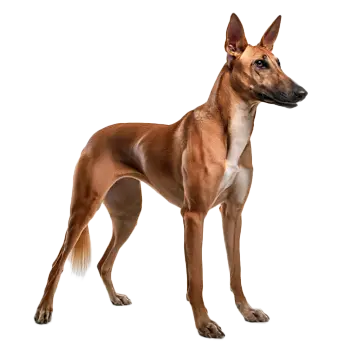

Growth & Physical Development

The Azawakh's juvenile period, spanning roughly from three months to 18 months of age, is marked by dramatic physical transformation. This elegant sighthound transitions from a compact, round puppy into a tall, lean adolescent with the breed's characteristic long limbs and deep chest. Growth in height tends to outpace weight gain, producing the gangly, coltish appearance common to sighthound adolescents. Owners unfamiliar with the breed may be alarmed by how thin the young Azawakh appears, but this leanness is normal and expected for the breed.

During this period, the skeletal system is developing rapidly, and the growth plates in the long bones remain open and vulnerable to injury. High-impact activities such as jumping from heights, running on hard surfaces for extended periods, or rough play with much larger dogs should be avoided or carefully managed. The Azawakh's naturally athletic build can be misleading, as the adolescent body is not yet structurally mature enough to handle the physical demands it appears capable of meeting.

Most Azawakhs reach their full height by around 12 to 14 months, though they will continue to fill out and develop muscle definition well into their second year. Males tend to be taller and slightly heavier than females, with mature males typically standing 25 to 29 inches at the shoulder and females ranging from 23 to 27 inches. Weight should be monitored regularly, but it is important to evaluate body condition in the context of the breed standard rather than generic canine weight charts.

The coat may go through subtle changes during adolescence, with the fine, short hair becoming slightly denser as the dog matures. Coat color and markings are generally established by the time the puppy leaves the breeder, though some deepening or refinement of color can occur during the first year. The skin should remain smooth and supple, and any signs of irritation, hair loss, or excessive dryness should be investigated.

Nutrition & Diet Transition

Feeding a growing Azawakh requires careful attention to caloric intake, nutrient ratios, and meal frequency. Puppies under six months should be fed three to four meals per day, transitioning to two meals daily by around six to eight months of age. A high-quality puppy food formulated for large-breed dogs is generally appropriate, as these formulas are designed to support steady growth without the excessive caloric density that can contribute to developmental orthopedic problems.

Protein content should be moderate to high, supporting muscle development without promoting excessively rapid weight gain. Fat provides concentrated energy for the active adolescent Azawakh, but excessive fat can lead to loose stools and unwanted weight. Calcium and phosphorus ratios are particularly important during the growth phase, as imbalances can contribute to skeletal abnormalities. Large-breed puppy formulas are typically calibrated to address these concerns, making them a safer choice than all-life-stages or small-breed formulas.

The transition from puppy food to an adult formulation generally occurs between 12 and 18 months, depending on the individual dog's growth trajectory. This transition should be gradual, mixing increasing proportions of the new food with the old over a period of seven to ten days to minimize digestive upset. Some owners of Azawakhs prefer to continue with a performance or active-dog formula into adulthood to maintain the breed's lean muscle mass and support their high energy levels.

Treats should be used judiciously and factored into the overall caloric intake. Training treats should be small and low-calorie, and table scraps should be avoided, as they can create finicky eating habits and contribute to nutritional imbalances. Fresh water should always be available, and food bowls should be washed daily to prevent bacterial growth.

Behavioral Changes

Adolescence brings significant behavioral shifts in the Azawakh, and owners should be prepared for a period of testing boundaries and asserting independence. The breed's naturally independent temperament becomes more pronounced during this stage, and behaviors that were manageable in a small puppy can become challenging in a powerful adolescent sighthound. Selective hearing, reluctance to comply with known commands, and increased interest in environmental stimuli over owner direction are all common features of this phase.

The Azawakh's strong prey drive typically intensifies during adolescence. Squirrels, rabbits, cats, and even small dogs may trigger explosive chase responses that override training. This is not a behavioral defect but a deeply ingrained instinct honed over centuries of coursing game in the Sahel. Management strategies, including secure fencing and reliable leash handling, become critically important during this stage. No amount of training will fully suppress a sighthound's prey drive, and relying on recall alone in the presence of prey is unrealistic for most Azawakhs.

Social behavior with other dogs may also shift during adolescence. Azawakhs can become more selective about their canine companions, and same-sex aggression may emerge, particularly among males. Early and ongoing socialization helps, but owners should be attentive to body language and intervene before conflicts escalate. The Azawakh is not a dog park breed in the traditional sense, and structured, supervised interactions with known dogs are generally more appropriate.

Fear periods, during which a previously confident puppy suddenly becomes wary or reactive to familiar stimuli, can occur during adolescence. These episodes are a normal part of neurological development and should be handled with patience and calm reassurance. Forcing a fearful Azawakh to confront the source of its anxiety will worsen the problem, while gentle exposure and positive associations help the dog work through the phase naturally.

Training Priorities

Training an adolescent Azawakh requires a fundamentally different approach than training many other breeds. The Azawakh is intelligent but not eager to please in the way that retrievers or herding dogs typically are. Repetitive drills bore this breed quickly, and heavy-handed corrections will damage the trust-based relationship that is essential for effective communication. Training sessions should be short, varied, and built around positive reinforcement, with high-value rewards that genuinely motivate the individual dog.

Reliable recall is the single most important command for any sighthound, yet it is also the most difficult to achieve. Begin training recall in low-distraction environments using extremely high-value rewards, and gradually increase the level of distraction over time. Even with diligent training, most Azawakh owners find that off-leash freedom is only safe in securely fenced areas. A long line can provide a sense of freedom during walks while maintaining physical control.

Leash manners deserve significant attention during this phase, as an adult Azawakh in full pursuit mode is a powerful animal. Teaching the dog to walk on a loose leash without lunging at distractions is both a safety concern and a quality-of-life issue for the owner. Consistent practice, patience, and appropriate equipment such as a well-fitted martingale collar or front-clip harness will support this training.

Household manners, including settling quietly indoors, waiting politely for meals, and tolerating grooming and handling, should be reinforced daily. The Azawakh can be remarkably calm and gentle indoors, but this behavior needs to be cultivated through consistent expectations and reward. Crate training, if not already established, should be introduced gradually and associated exclusively with positive experiences. A crate-trained Azawakh is easier to manage during veterinary visits, travel, and household disruptions.

Exercise & Activity

The Azawakh is an athletic breed that requires regular, appropriate exercise to maintain physical health and mental equilibrium. During the juvenile period, exercise must be carefully balanced against the risk of injury to developing joints and bones. Free play on soft surfaces, moderate-paced walks, and opportunities to run in safely enclosed areas provide appropriate outlets for the adolescent Azawakh's energy without subjecting the growing skeleton to excessive stress.

As the dog approaches physical maturity, the intensity and duration of exercise can gradually increase. Azawakhs are sprinters rather than endurance athletes, and their exercise needs are best met through short bursts of high-speed running interspersed with rest periods. A large, securely fenced yard or access to an enclosed field where the dog can run freely is ideal. Lure coursing, if available in your area, provides an excellent outlet for the breed's natural prey drive in a controlled and safe environment.

Mental stimulation is equally important for this intelligent breed. Puzzle feeders, scent work games, and training sessions that challenge the dog to think and problem-solve all contribute to overall well-being. An under-stimulated Azawakh may develop destructive habits or become anxious and reactive. Conversely, an overtired puppy can become hyperactive and difficult to manage, so rest periods are just as important as activity periods.

Exercise should be avoided in extreme heat, as the Azawakh's lean build and thin coat provide limited insulation and thermoregulation capacity. While the breed originates from a hot climate, domestic Azawakhs are not acclimated to prolonged exertion in high temperatures. Early morning and evening exercise sessions are preferable during warm months, and access to shade and fresh water should always be available.

Spay/Neuter Considerations

The decision of when or whether to spay or neuter an Azawakh is one that should be made in consultation with a veterinarian familiar with the breed. Current research suggests that early spaying or neutering of large-breed dogs may increase the risk of certain orthopedic conditions, including cruciate ligament tears and hip dysplasia, as well as some cancers. For the Azawakh, whose lean frame relies on proper musculoskeletal development, the timing of this procedure warrants careful consideration.

Many veterinarians and breed experts recommend waiting until the Azawakh has reached skeletal maturity, typically around 18 to 24 months, before performing elective sterilization surgery. This allows the growth plates to close fully and the dog to benefit from the hormonal influences that support proper bone and muscle development. For females, this may mean managing one or two heat cycles before spaying, which requires diligent containment and supervision to prevent unintended breeding.

For owners who do not intend to breed, the health benefits of sterilization, including elimination of the risk of pyometra in females and reduced risk of testicular cancer in males, are well established. However, these benefits must be weighed against the potential developmental consequences of early surgery. There is no single correct answer, and the decision should be individualized based on the dog's health, living situation, and the owner's ability to manage an intact animal responsibly.

Behavioral considerations also play a role in this decision. While spaying or neutering may reduce some hormonally driven behaviors such as roaming and marking, it is not a substitute for training and management. The Azawakh's core temperament, including its independence, prey drive, and loyalty, is shaped primarily by genetics and socialization rather than reproductive status.

Socialization & Exposure

Continued socialization during the juvenile and adolescent period is essential for the Azawakh, a breed that is naturally reserved with unfamiliar people and situations. The critical socialization window that begins in early puppyhood does not close abruptly, but the ease with which new experiences are accepted does diminish over time. Ongoing, positive exposure to a wide variety of people, environments, sounds, and situations helps build the confidence and adaptability that every companion dog needs.

Exposure to different types of people is particularly important for the Azawakh. This breed tends to bond deeply with its immediate family and can be suspicious of strangers. Regular, controlled introductions to people of different ages, appearances, and demeanors help broaden the dog's comfort zone. Visitors to the home should be coached to allow the Azawakh to approach on its own terms rather than forcing interaction, as this breed does not respond well to being crowded or overwhelmed by unfamiliar people.

Environmental exposure should include a variety of surfaces, locations, and situations. Walking on different flooring types, navigating stairs, riding in vehicles, visiting pet-friendly stores, and encountering urban elements like traffic and crowds all contribute to a well-rounded dog. Each new experience should be introduced at the dog's pace, with rewards and encouragement for calm, confident behavior. If the dog shows signs of stress or fear, the intensity of the exposure should be reduced and the experience reframed in a more positive way.

Socialization with other dogs should continue throughout adolescence, but with increasing attention to the quality of interactions. The Azawakh does best with calm, well-mannered dogs that respect personal space. Chaotic dog park environments can overwhelm this sensitive breed and create negative associations with other dogs. Structured playgroups, walks with known dog friends, and supervised interactions in controlled settings provide more appropriate socialization opportunities for the adolescent Azawakh.

Always consult a qualified professional before making any health-related decisions. This content is provided for informational reference only and should not replace professional guidance specific to your animal.