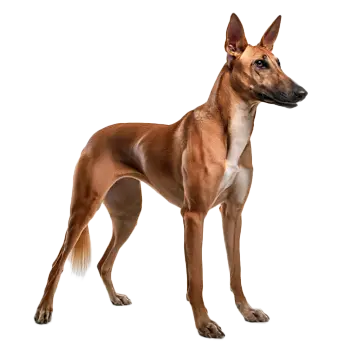

Breeding Readiness

Breeding an Azawakh is a commitment that extends far beyond the mating itself, requiring careful planning, health screening, and a clear understanding of the breed's unique characteristics and needs. Before any breeding takes place, both the sire and dam should be fully health-tested according to the recommendations of the breed's parent club and relevant kennel organizations. For the Azawakh, this typically includes cardiac evaluation, thyroid testing, and assessment of overall structural soundness. Given the breed's relatively small gene pool outside its native West Africa, genetic diversity is a particularly important consideration in pairing decisions.

The female Azawakh should not be bred before she has reached full physical and mental maturity, generally no earlier than two years of age and ideally after completion of all recommended health testing. Breeding a female that is too young risks complications during pregnancy and whelping, as her body may not be fully developed enough to support the demands of carrying and delivering a litter. The male should also be fully mature and health-tested, with a temperament that aligns with the breed standard.

Beyond health testing, the breeder should have a clear purpose for the litter. Responsible breeding aims to preserve and improve the breed, producing puppies that are healthy, structurally sound, and temperamentally stable. A thorough understanding of the pedigrees of both sire and dam helps identify potential strengths and weaknesses in the pairing. Consulting with experienced Azawakh breeders and breed mentors provides valuable perspective, particularly for those new to the breed.

Practical preparations include identifying a veterinarian experienced with sighthound reproduction and whelping, establishing relationships with potential puppy buyers, and ensuring adequate financial resources to cover prenatal care, whelping supplies, emergency veterinary intervention, and puppy rearing costs. Breeding should never be undertaken as a profit-making venture, as the costs of doing it properly consistently exceed the income from puppy sales.

The Heat Cycle

The Azawakh female typically experiences her first heat cycle between eight and 14 months of age, though some individuals may cycle later. The heat cycle, also known as estrus, occurs approximately every six to eight months in most females, though individual variation is common and some Azawakhs may cycle only once a year. Tracking the timing, duration, and characteristics of each cycle helps establish the individual female's pattern and predict optimal breeding timing for planned litters.

The heat cycle consists of four stages. Proestrus, lasting approximately seven to ten days, is characterized by vulvar swelling and a bloody discharge that gradually lightens in color. The female may attract male attention during this phase but will not yet accept mating. Estrus, the fertile phase, follows and typically lasts five to nine days. The discharge becomes straw-colored, the vulva softens, and the female becomes receptive to the male. Ovulation generally occurs during the first few days of estrus, though timing can vary significantly between individuals.

Progesterone testing through blood draws is the most reliable method for pinpointing ovulation and determining the optimal breeding window. This testing, performed by a veterinarian, measures rising progesterone levels that indicate the approaching and actual ovulation. Relying on behavioral signs or calendar counting alone is far less precise and increases the risk of mistimed breeding. For Azawakhs, whose litters tend to be moderate in size, maximizing conception through accurate timing is particularly important.

During the heat cycle, the female must be securely contained to prevent unintended matings. The Azawakh's athleticism makes secure fencing essential, as a motivated male or receptive female can scale or breach barriers that would contain less agile breeds. Indoor containment during peak fertility is often the safest approach. Males in the vicinity will be aware of the female's condition from considerable distances, and their persistence should not be underestimated.

Pregnancy & Gestation

Gestation in the Azawakh lasts approximately 63 days from ovulation, with a normal range of 58 to 68 days depending on the timing of breeding relative to ovulation. Pregnancy can be confirmed through veterinary palpation at around 28 days, ultrasound as early as 25 to 30 days, or blood testing for the hormone relaxin at approximately 30 days. Ultrasound provides the earliest reliable confirmation and can give a rough estimate of litter size, though accuracy improves later in pregnancy. Radiographs taken after day 45 provide a more precise puppy count, which is important for knowing when whelping is complete.

The pregnant Azawakh's nutritional needs increase gradually during gestation, with the most significant caloric demands occurring during the final three weeks. During the first half of pregnancy, the dam can continue on her normal adult diet with minimal modification. As the pregnancy progresses, her food should be transitioned to a high-quality puppy food or performance formula that provides the increased protein and caloric density needed to support fetal development. Meals should be divided into smaller, more frequent portions as the growing uterus compresses the stomach.

Exercise should continue throughout pregnancy but be moderated as the pregnancy advances. Normal daily walks and light play are beneficial for maintaining muscle tone and cardiovascular fitness, both of which support successful whelping. High-impact activities, rough play with other dogs, and intense running should be avoided, particularly during the second half of gestation. The dam will naturally reduce her activity level as she becomes heavier and less comfortable.

Regular veterinary monitoring throughout pregnancy ensures that both the dam and developing puppies are progressing normally. Any signs of illness, unusual discharge, loss of appetite, or behavioral changes should be reported to the veterinarian promptly. Complications such as pregnancy toxemia, gestational diabetes, or fetal resorption, while uncommon, are best managed when detected early.

Whelping Preparation

Preparation for whelping should begin well before the expected delivery date, ideally by day 50 of gestation. A whelping box should be set up in a quiet, warm, low-traffic area of the home where the dam feels secure. The box should be large enough for the Azawakh to stretch out fully and turn around comfortably, with sides high enough to contain the puppies but low enough for the dam to step over easily. A removable rail system around the interior perimeter can help prevent the dam from accidentally crushing puppies against the walls.

The whelping area should be stocked with all necessary supplies well in advance. Essential items include clean towels and washcloths for drying puppies, a bulb syringe for clearing airways, hemostats and dental floss for tying off umbilical cords if needed, a digital scale for weighing puppies, a heating pad or heat lamp for supplemental warmth, and a thermometer for monitoring the dam's temperature. A veterinarian-approved milk replacer and feeding supplies should also be on hand in case supplemental feeding becomes necessary.

The dam's rectal temperature should be monitored twice daily during the final week of pregnancy. A drop from the normal range of 101 to 102.5 degrees Fahrenheit to below 99 degrees typically indicates that whelping will begin within 12 to 24 hours. This temperature drop is one of the most reliable indicators of imminent labor, though not all females demonstrate a clearly detectable drop.

The breeder should have the veterinarian's emergency contact information readily accessible and confirm that after-hours emergency services are available. Knowing the location and phone number of the nearest emergency veterinary hospital is essential, as complications can arise suddenly and at any hour. A plan for transporting the dam, including having a vehicle prepared and a helper available, should be established in advance. First-time breeders are strongly encouraged to arrange for an experienced mentor to be available by phone or in person during the whelping.

Postpartum Care

The hours and days following whelping are critical for both the dam and her puppies. The dam should be monitored closely for signs of complications, including excessive bleeding, foul-smelling discharge, fever, lethargy, loss of appetite, or refusal to care for the puppies. A moderate, dark reddish-brown discharge is normal for several weeks after whelping, but bright red bleeding, large clots, or a foul odor should prompt immediate veterinary evaluation. Retained placentas are a serious concern and can cause life-threatening infection if not identified and addressed.

The dam's nutritional demands peak during lactation, and she should be fed a calorie-dense, high-quality diet in quantities sufficient to maintain her body condition while producing milk for the litter. For the naturally lean Azawakh, this may mean feeding two to three times her normal adult ration, divided into multiple meals throughout the day. Free-choice feeding during the peak lactation period is acceptable for many dams, provided they maintain appropriate body condition. Fresh water must be available at all times, as dehydration impairs milk production.

Eclampsia, or puerperal hypocalcemia, is a potentially fatal condition caused by a sudden drop in blood calcium levels during heavy lactation. Symptoms include restlessness, muscle tremors, stiff gait, panting, and seizures. This is a veterinary emergency requiring immediate treatment with intravenous calcium. Smaller litters do not eliminate the risk, and breeders should be familiar with the signs regardless of litter size. Calcium supplementation during pregnancy is generally not recommended, as it can actually increase the risk of eclampsia by suppressing the body's calcium-regulating mechanisms.

The dam's emotional needs during the postpartum period deserve attention as well. Azawakhs are sensitive dogs, and a new mother may be anxious, protective, or overwhelmed. Keeping the whelping area calm and quiet, limiting visitors, and allowing the dam to care for her puppies without unnecessary interference supports the natural bonding process. The breeder should handle puppies regularly for health checks and weight monitoring but should respect the dam's need for privacy and security during this vulnerable time.

Responsible Breeding Ethics

Responsible breeding of the Azawakh carries particular significance given the breed's status as a rare and historically significant sighthound. With a relatively small global population outside its West African homeland, every breeding decision has an outsized impact on the breed's genetic health and future viability. Breeders have a responsibility to prioritize genetic diversity, health, and temperament over competitive success, market trends, or personal preference for specific cosmetic traits.

Health testing is a non-negotiable component of responsible breeding. Both sire and dam should be evaluated for breed-relevant health conditions, and the results should be made available to puppy buyers and the broader breeding community. Transparency about health testing results, including unfavorable findings, strengthens the breed by enabling informed breeding decisions across the population. Withholding negative health information undermines the collective effort to improve breed health and erodes trust within the breeding community.

Puppy placement requires careful screening of potential buyers to ensure that each puppy goes to a home prepared for the unique challenges and rewards of Azawakh ownership. This breed is not suitable for every household, and responsible breeders educate prospective owners about the breed's exercise needs, temperament, socialization requirements, and potential health concerns before placing a puppy. A written contract that includes health guarantees, spay or neuter requirements for pet-quality puppies, and a commitment to take back the dog at any point in its life is standard practice among ethical breeders.

The breeder's responsibility to the puppies they produce extends throughout the dogs' lives, not just until they leave for their new homes. Being available as a resource for puppy buyers, maintaining relationships with owners, and standing ready to take back or assist with rehoming any dog that can no longer remain in its original home are hallmarks of a truly committed breeder. The goal is not simply to produce puppies but to steward the breed thoughtfully, ensuring that each generation of Azawakhs is as healthy, sound, and well-cared-for as possible.

Always consult a qualified professional before making any health-related decisions. This content is provided for informational reference only and should not replace professional guidance specific to your animal.