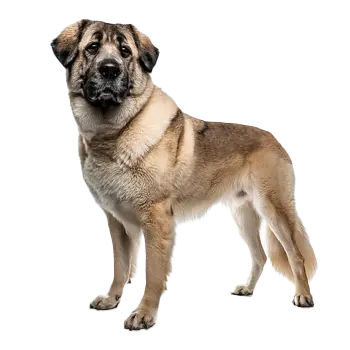

Peak Health Maintenance

The Anatolian Shepherd reaches full physical maturity between two and three years of age, entering the prime adult period when the body is at its strongest and most capable. During these years, the focus shifts from managing growth to maintaining the excellent condition that supports this large, active breed through a long and healthy life. Proactive health management during the prime years sets the stage for how gracefully the dog will age.

Annual veterinary examinations are the cornerstone of preventive care for the adult Anatolian Shepherd. These visits should include a thorough physical examination, blood work to establish baseline values, urinalysis, and screening for breed-relevant conditions. The Anatolian Shepherd is generally a hardy breed with fewer inherited health issues than many other giant breeds, but it is still susceptible to conditions such as hip dysplasia, elbow dysplasia, entropion, and hypothyroidism. Early detection through routine screening allows for early intervention.

Parasite prevention should continue year-round in most climates. Heartworm prevention is essential wherever mosquitoes are present, and flea and tick prevention protects against both the discomfort of infestation and the diseases these parasites carry. Your veterinarian can recommend the most appropriate preventive products based on your geographic area and the dog's lifestyle, whether that involves working on a farm, hiking in wooded areas, or living primarily as a suburban companion.

Vaccination schedules for the adult Anatolian Shepherd typically shift to a maintenance protocol after the initial puppy and booster series are complete. Core vaccines are generally administered on a three-year cycle, while non-core vaccines are tailored to the dog's risk factors and lifestyle. Titer testing, which measures the level of antibodies in the blood, can help inform vaccination decisions for owners who prefer a more individualized approach.

Nutrition at Maturity

Feeding the adult Anatolian Shepherd is a matter of matching caloric intake to the dog's activity level, body condition, and metabolic rate. Despite their large size, Anatolian Shepherds are not typically voracious eaters and may have a somewhat lower metabolism than other breeds of similar stature. Overfeeding an adult Anatolian Shepherd leads to obesity, which places significant stress on the joints, cardiovascular system, and overall quality of life.

A high-quality adult dog food formulated for large or giant breeds provides the appropriate balance of protein, fat, carbohydrates, vitamins, and minerals. Protein levels should support muscle maintenance without being excessively high, and fat content should reflect the dog's energy expenditure. Working Anatolian Shepherds that are actively guarding livestock may require a higher caloric diet than those living as household companions with moderate exercise routines.

Feeding twice daily is generally recommended for the adult Anatolian Shepherd, as splitting the daily ration into two meals helps reduce the risk of gastric dilatation-volvulus, commonly known as bloat. This life-threatening condition, in which the stomach fills with gas and can twist on its axis, is a significant concern in deep-chested giant breeds. In addition to dividing meals, avoiding vigorous exercise immediately before and after eating, using slow-feeder bowls, and keeping the eating environment calm can all help mitigate the risk.

Body condition scoring is a valuable tool for monitoring whether the dog is at an ideal weight. You should be able to feel the ribs without pressing hard, and the dog should have a visible waist when viewed from above and a slight abdominal tuck when viewed from the side. Adjustments to portion sizes should be made gradually based on changes in activity level, season, and overall condition.

Exercise & Fitness

The adult Anatolian Shepherd benefits from regular, moderate exercise that satisfies both its physical and mental needs without placing undue stress on its large frame. This is not a breed that requires or typically enjoys the intensity of a border collie or a sporting dog, but it does need consistent daily activity to maintain muscle tone, cardiovascular health, and mental equilibrium. A sedentary Anatolian Shepherd is likely to become bored, and a bored Anatolian Shepherd will often channel its energy into unwanted behaviors.

Daily walks of 45 minutes to an hour, supplemented with off-leash time in a securely fenced area, provide a solid exercise foundation. The Anatolian Shepherd is a natural patroller, and many adults will spend their outdoor time walking the perimeter of their territory, scanning for anything out of the ordinary. This self-directed movement is both physically beneficial and mentally satisfying for the breed and should be encouraged where safely possible.

Hiking and trail walking are excellent activities for the adult Anatolian Shepherd, as the varied terrain provides natural resistance training and the changing environment offers abundant sensory stimulation. Swimming remains a joint-friendly option throughout the adult years. However, activities that involve sudden starts and stops, sharp turns, or sustained high-impact running should be moderated to protect the joints, particularly in heavier individuals.

Mental enrichment should be considered a non-negotiable component of the adult Anatolian Shepherd's fitness routine. Scent work, food-dispensing puzzles, novel object exploration, and even simple training sessions keep the mind sharp and engaged. An Anatolian Shepherd that receives both physical and mental exercise is a calmer, more content companion and far less likely to develop behavioral problems rooted in boredom or frustration.

Preventive Health Care

Beyond annual veterinary visits, preventive health care for the adult Anatolian Shepherd involves ongoing vigilance from the owner. Regular at-home health checks help catch potential problems before they become serious. Running your hands over the dog's body weekly allows you to detect lumps, skin changes, areas of tenderness, or muscle wasting that might otherwise go unnoticed under the breed's thick double coat.

Oral health deserves particular attention, as dental disease is one of the most common yet frequently overlooked health issues in dogs. Tartar buildup, gingivitis, and periodontal disease can lead to pain, tooth loss, and even systemic infections that affect the heart, liver, and kidneys. Regular tooth brushing with a canine-specific toothpaste, supplemented with dental chews and periodic professional cleanings as recommended by your veterinarian, helps maintain healthy teeth and gums throughout the adult years.

Ear care is straightforward but important, especially for the Anatolian Shepherd's pendant ears, which can trap moisture and create an environment favorable to bacterial or yeast infections. Weekly ear checks and gentle cleaning with a veterinarian-approved solution help prevent infection. The eyes should also be monitored for signs of entropion, a condition to which the breed is prone, where the eyelid rolls inward and the lashes irritate the corneal surface.

Skin and coat health reflects overall wellbeing. The Anatolian Shepherd's thick double coat sheds moderately year-round with two heavier seasonal blows. Regular brushing removes loose undercoat, distributes natural oils, and allows you to inspect the skin for parasites, hot spots, or signs of allergic reactions. Bathing should be done as needed rather than on a rigid schedule, as over-bathing strips the coat of its natural protective oils.

Behavioral Maturity

The Anatolian Shepherd's behavioral maturity tends to arrive gradually over the course of the first two to three years, and owners who have navigated the challenging adolescent period are often rewarded with a calm, steady, and deeply loyal companion. The impulsive, boundary-testing behaviors of adolescence give way to a more settled temperament, though the breed's independent thinking and guardian instincts remain defining characteristics throughout life.

A mature Anatolian Shepherd that has been properly socialized and trained is typically aloof but not aggressive with strangers, affectionate and devoted to its family, and watchful without being hypervigilant. The breed tends to be discerning rather than reactive, assessing situations with a measured intelligence before responding. This considered temperament is one of the breed's greatest strengths, but it requires the foundation of consistent training and socialization laid during the earlier stages.

Territorial behavior is a normal and expected part of the adult Anatolian Shepherd's repertoire. The breed takes its guarding role seriously, and most adults will bark to alert their owners to visitors, unusual sounds, or perceived intrusions. Managing this behavior involves acknowledging the alert, calmly assessing the situation, and directing the dog to stand down when the perceived threat is not genuine. Attempting to eliminate alert barking entirely is both unrealistic and contrary to the breed's nature.

Ongoing mental engagement and training help maintain the strong bond between the Anatolian Shepherd and its owner during the adult years. While the dog may not need the intensive training schedule of its youth, regular reinforcement of commands, introduction of new skills or activities, and continued socialization all contribute to a balanced and well-adjusted adult. The relationship with an Anatolian Shepherd deepens with time, built on mutual respect and understanding.

Dental & Grooming

The Anatolian Shepherd's grooming needs are moderate compared to many breeds of its size, but consistent care is essential for maintaining the coat, skin, and overall health. The breed sports a short to medium-length double coat that provides insulation against both heat and cold, a reflection of its origins in the harsh Anatolian plateau of Turkey. This coat is remarkably functional but does require regular attention to remain in good condition.

Brushing once or twice a week with a slicker brush or undercoat rake removes dead hair, prevents matting, and distributes the natural oils that keep the coat water-resistant and healthy. During the spring and fall shedding seasons, daily brushing becomes necessary as the undercoat blows out in significant quantities. Investing in a quality deshedding tool makes these seasonal transitions far more manageable for both the dog and the household.

Nail care is an often-neglected aspect of grooming that has real implications for the Anatolian Shepherd's comfort and structural health. Overgrown nails alter the foot's contact with the ground, which can change the dog's gait and place abnormal stress on the joints over time. Nails should be trimmed every two to four weeks, or more frequently if the dog does not naturally wear them down through activity on hard surfaces. If the dog is resistant to nail trimming, gradual desensitization using positive reinforcement can make the process less stressful for both parties.

Dental care should be an integrated part of the grooming routine rather than an afterthought. Daily tooth brushing is the gold standard, though even three to four sessions per week provides meaningful protection against plaque and tartar accumulation. Starting dental care early in life makes the adult dog far more accepting of the process. Professional dental cleanings under anesthesia may be recommended periodically by your veterinarian, particularly if significant tartar buildup or gum inflammation is noted during routine exams.

Always consult a qualified professional before making any health-related decisions. This content is provided for informational reference only and should not replace professional guidance specific to your animal.