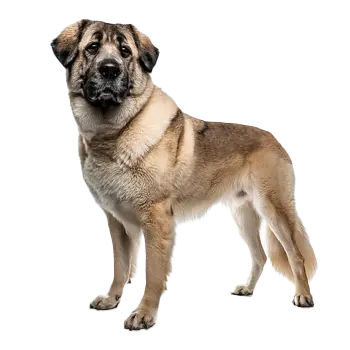

Breeding an Anatolian Shepherd responsibly requires far more preparation than simply pairing two dogs together. The decision to breed should begin with an honest evaluation of whether the individual dog has something genuinely valuable to contribute to the breed. This means assessing temperament, structural soundness, working ability, and health clearances against the breed standard and the broader goals of preserving and improving the Anatolian Shepherd as a functional livestock guardian breed.
Physical maturity is a prerequisite for breeding, and for a giant breed like the Anatolian Shepherd, this means waiting until the dog is at least two years of age. While females may experience their first heat cycle as early as eight to twelve months, breeding a physically immature dog places enormous strain on a body that is still developing. Males should also be fully mature before being used at stud, ensuring that their structural development can be accurately assessed and that they have demonstrated stable adult temperament.
Health testing prior to breeding is a non-negotiable responsibility. At minimum, the Anatolian Shepherd should have current hip and elbow evaluations through an established orthopedic registry, a thyroid panel, and an eye examination by a board-certified veterinary ophthalmologist. These tests help identify heritable conditions that could be passed to offspring, reducing the incidence of preventable health problems in the breed. Any dog with significant health issues that could be inherited should not be used for breeding regardless of its other qualities.
Beyond physical qualifications, the breeder must be prepared for the financial, time, and emotional commitment that responsible breeding demands. Raising a litter of Anatolian Shepherd puppies requires appropriate space, veterinary support, a plan for proper socialization, and a commitment to placing every puppy in a suitable home. Breeders should have waiting lists or a placement strategy established before the breeding takes place.