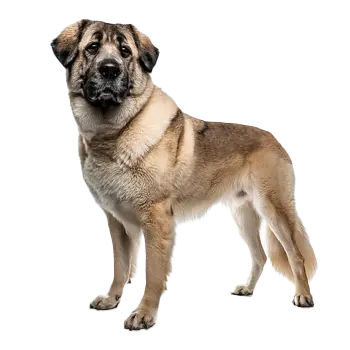

Determining when an Anatolian Shepherd transitions from adult to senior is not a matter of flipping a switch on a specific birthday but rather recognizing a gradual shift in the dog's physical and behavioral patterns. As a giant breed, the Anatolian Shepherd ages somewhat differently than smaller dogs, though it is notably longer-lived than many other breeds of comparable size. Most veterinarians consider the Anatolian Shepherd to enter the senior stage around seven to eight years of age, though individual variation is significant.
The first signs of aging are often subtle and easy to overlook. A slight slowing on walks, a moment of stiffness when rising after a long rest, a graying muzzle that deepens over the months, or a preference for resting in a favorite spot rather than patrolling the yard with the same frequency. These early changes do not indicate illness but rather the natural progression of a body that has served its owner faithfully for years and is beginning to show the wear of time.
Recognizing the onset of the senior years is important because it triggers a shift in the approach to care. Veterinary visits should increase from annual to semi-annual, dietary needs may change, exercise routines should be adjusted, and heightened awareness of age-related conditions becomes essential. The goal during the senior years is not to turn back the clock but to ensure that each remaining year is lived with comfort, dignity, and the highest possible quality of life.
The Anatolian Shepherd's characteristic stoicism can be both a blessing and a challenge as the dog ages. These dogs are not inclined to broadcast discomfort, which means owners must become more attuned to subtle behavioral cues that might indicate pain, illness, or cognitive changes. A senior Anatolian Shepherd that suddenly becomes reluctant to climb stairs, loses interest in food, or changes its sleeping patterns may be communicating a problem that warrants veterinary evaluation.