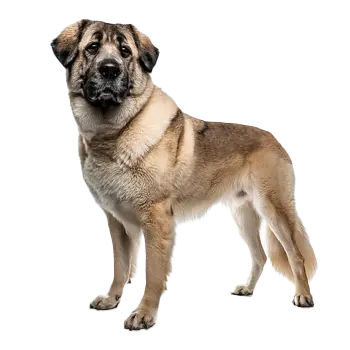

The Anatolian Shepherd's juvenile and adolescent period is marked by dramatic physical growth that demands careful management. Between three and six months of age, these puppies experience their most rapid growth spurts, gaining several pounds per week as their skeletal frame, muscles, and organs develop at an accelerated pace. By six months, many Anatolian Shepherds already weigh between 50 and 70 pounds, though they are far from finished growing.
Giant breeds like the Anatolian Shepherd continue to grow well beyond the point where smaller breeds have reached maturity. Most Anatolian Shepherds do not reach their full adult size until 18 to 24 months, and some males may continue filling out in chest and muscle mass until they are nearly three years old. This prolonged growth period means that the skeletal system remains vulnerable to injury and developmental disorders for much longer than in smaller breeds.
Because of this extended development, it is critical to avoid activities that place excessive stress on growing joints and bones. High-impact exercise, prolonged running on hard surfaces, and repetitive jumping should be minimized during this phase. The growth plates in the long bones remain open and soft until they close, typically between 12 and 18 months, and damage to these areas can result in permanent structural problems. Controlled, moderate exercise on varied terrain is far more appropriate.
Regular veterinary checkups during this growth phase help ensure that development is proceeding normally. Your veterinarian can monitor for signs of conditions such as hip dysplasia and panosteitis, both of which can emerge during the rapid growth period. Maintaining a lean body condition throughout adolescence, rather than pushing for maximum size, supports healthier joint and skeletal development over the long term.