
Peak Health Maintenance

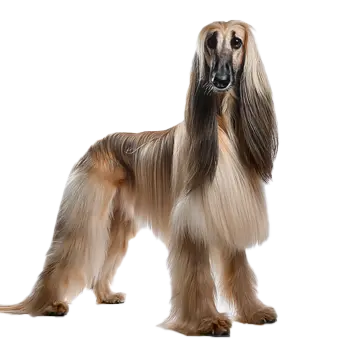
The adult Afghan Hound, typically from around two to seven years of age, is in the prime of life. The gangly adolescent has matured into a poised, athletic, and strikingly beautiful dog. This is the period when the Afghan Hound is at its physical peak — strong, agile, and generally resilient. Maintaining that peak condition requires consistent attention to nutrition, exercise, grooming, and preventive veterinary care.

Annual veterinary wellness examinations are the cornerstone of health maintenance during the adult years. Even a dog that appears perfectly healthy benefits from a thorough physical examination, updated vaccinations as recommended by your veterinarian, and routine bloodwork that can detect emerging issues before symptoms appear. Afghan Hounds can be stoic about discomfort, so subtle changes caught during a professional examination may be the first indication of an underlying concern.

Parasite prevention should continue year-round. Heartworm prevention is essential in virtually all geographic regions, and flea and tick protection should be tailored to the risk factors in your area. Afghan Hounds spending time outdoors in wooded or grassy areas are at particular risk for tick-borne diseases, and the breed's dense coat can make ticks difficult to spot during routine inspection.

Keep a baseline record of your Afghan Hound's weight, resting heart rate, and general demeanor. Changes from this baseline — unexplained weight loss or gain, increased resting respiratory rate, decreased appetite, or shifts in energy level — are often the earliest clues that something has changed internally. An owner who knows what is normal for their individual dog is often the first to recognize when something is not.

Nutrition at Maturity

The nutritional demands of an adult Afghan Hound are more stable than during the growth phase, but diet remains a critical factor in overall health and coat quality. A high-quality adult dog food that lists a named animal protein as the first ingredient is a solid foundation. Afghan Hounds are generally moderate eaters compared to some breeds of similar size, but individual appetites can vary.

Feeding twice daily is the preferred schedule for most adult Afghan Hounds. This approach supports steady digestion and helps reduce the risk of bloat, a serious and potentially life-threatening condition to which deep-chested breeds like the Afghan Hound may be predisposed. Avoid heavy exercise immediately before or after meals, and consider using a slow-feeder bowl for dogs that tend to eat too quickly.

The Afghan Hound's luxurious coat is a direct reflection of its nutritional status. A diet that is adequate in omega-3 and omega-6 fatty acids supports coat health, skin integrity, and overall luster. If the coat appears dry, brittle, or is shedding excessively despite proper grooming, a nutritional review may be in order. Discuss supplementation options with your veterinarian rather than adding supplements on your own, as excess of certain nutrients can be as problematic as deficiency.

Maintain a lean body condition throughout the adult years. You should be able to feel the Afghan Hound's ribs with light pressure but not see them prominently. The waist should be visible when viewed from above, and the abdomen should tuck up when viewed from the side. Excess weight places unnecessary strain on joints, cardiovascular function, and overall longevity.

Exercise & Fitness

Adult Afghan Hounds need regular, vigorous exercise to maintain physical and mental health. These are athletic sighthounds bred for speed and endurance in rugged terrain, and a sedentary lifestyle is incompatible with their nature. A well-exercised Afghan Hound is calmer, better behaved, and healthier than one whose energy has no constructive outlet.

Daily exercise should include at least one extended walk or jog, supplemented ideally by the opportunity to run freely in a securely fenced area. Afghan Hounds in full stride are breathtaking to watch and reach considerable speeds, making secure containment essential. A standard four-foot fence is inadequate for most Afghan Hounds; a minimum of five to six feet is recommended, and some individuals may require even taller barriers.

Lure coursing is an outstanding activity for adult Afghan Hounds. This organized sport simulates the chase of live game using a mechanically operated lure, allowing the dog to express its natural hunting instincts in a safe, controlled environment. Many Afghan Hound owners find that lure coursing provides an unmatched physical and mental workout for their dogs. Local sighthound clubs often host practice sessions and competitive events.

Mental exercise should not be overlooked. Afghan Hounds are intelligent dogs that can become bored with routine. Varying walking routes, introducing new scent-based games, and rotating interactive toys all help keep the adult Afghan Hound mentally engaged. A bored Afghan Hound is a creative Afghan Hound, and their creative solutions to boredom — counter surfing, redecorating the garden, or finding escape routes — are rarely appreciated by their owners.

Preventive Health Care

Beyond annual examinations, preventive health care for the adult Afghan Hound should include awareness of breed-specific health concerns. Afghan Hounds have a documented sensitivity to anesthesia and certain medications, a trait they share with other sighthound breeds. This sensitivity is related to their low body fat percentage and unique metabolism. Any veterinarian treating your Afghan Hound should be made aware of this breed characteristic, particularly before any surgical procedure or sedation.

Hip dysplasia, while less common in Afghan Hounds than in some other large breeds, can still occur. Maintaining lean body weight and providing appropriate exercise are the best preventive measures an owner can take. Thyroid disorders, including hypothyroidism, have also been noted in the breed and may manifest as weight gain, coat changes, lethargy, or skin issues. Routine thyroid screening as part of annual bloodwork can catch these conditions early.

Eye conditions including cataracts and progressive retinal atrophy have been reported in Afghan Hounds. Regular ophthalmic examinations, either during wellness visits or through specialized canine ophthalmology clinics, can detect degenerative changes before significant vision loss occurs. Early detection allows for better management and planning.

Afghan Hounds can also be prone to certain types of cancer, particularly as they move from the prime adult years toward middle age. Owners should monitor for any unusual lumps, bumps, unexplained weight loss, changes in appetite, or persistent lameness and report these findings to their veterinarian promptly. Early detection remains the most important factor in successful treatment outcomes for many canine cancers.

Behavioral Maturity

The adult Afghan Hound has typically settled into its permanent temperament by the age of two to three years. The impulsive, testing behavior of adolescence has given way to a calmer, more predictable disposition — though the breed's hallmark independence remains firmly in place. An adult Afghan Hound knows its own mind and will always retain a degree of selective responsiveness to commands that some owners find charming and others find exasperating.

The mature Afghan Hound tends to be deeply bonded to its family while remaining reserved with strangers. This aloofness is not shyness or fear — it is a fundamental aspect of the breed's character. Guests to the home should be advised not to force interaction. An Afghan Hound that is given the freedom to approach new people on its own terms will typically warm up in its own time, while one that is crowded or fussed over excessively may retreat further.

Adult Afghan Hounds generally coexist peacefully with other dogs in the household, though introductions to new animals should always be managed carefully. The breed's prey drive remains strong throughout life, and small animals — cats, rabbits, and other small pets — may trigger a chase response. Individual dogs vary widely in their tolerance of other species, and early socialization plays a significant role in shaping these responses.

Some adult Afghan Hounds develop mild separation anxiety, particularly if they have been closely bonded with an owner who is frequently home. Providing a comfortable, secure space, maintaining a consistent departure routine, and ensuring adequate exercise before periods of absence can help mitigate this. If separation anxiety becomes severe, consultation with a veterinary behaviorist is recommended.

Dental & Grooming

Grooming is perhaps the most demanding aspect of Afghan Hound ownership, and the adult coat requires consistent, thorough care to maintain its health and beauty. The long, silky coat should be brushed or combed several times per week — ideally every other day or daily for dogs in full coat. Using a pin brush and a wide-toothed comb, work through the coat section by section, paying particular attention to areas prone to matting such as behind the ears, under the legs, and along the chest and belly.

Bathing should occur regularly, typically every one to two weeks for Afghan Hounds in full coat. Use a high-quality dog shampoo followed by a conditioner designed for long coats. Thorough rinsing is essential, as residual shampoo can cause skin irritation and dull the coat's natural sheen. After bathing, the coat should be carefully blown dry while brushing to prevent tangles from forming as it dries. Air drying is generally not recommended, as the dense coat can remain damp against the skin and promote fungal or bacterial growth.

Dental care is an often-neglected component of the grooming routine that has significant implications for overall health. Periodontal disease is one of the most common health problems in adult dogs of all breeds, and it can lead to pain, tooth loss, and systemic infections affecting the heart, liver, and kidneys. Daily tooth brushing with a canine-specific toothpaste is the gold standard, though even brushing several times per week provides meaningful benefit.

Nail trimming, ear cleaning, and inspection of the foot pads should be incorporated into the regular grooming schedule. Afghan Hounds with excessively long nails may alter their gait, leading to discomfort and potentially contributing to joint strain over time. The breed's pendant ears, covered in long hair, can trap moisture and debris, making regular ear cleaning important for preventing infections. Establish a complete grooming routine early and maintain it consistently throughout the adult years.

Always consult a qualified professional before making any health-related decisions. This content is provided for informational reference only and should not replace professional guidance specific to your animal.