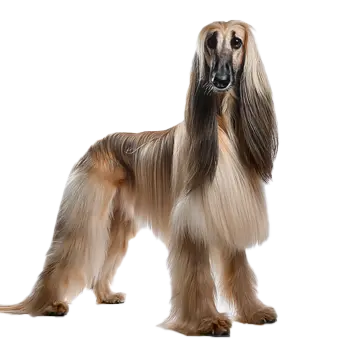

Breeding Readiness

Responsible breeding of Afghan Hounds begins long before the actual mating takes place. Both the sire and the dam should be fully mature, in excellent health, and have completed all recommended health screenings before being considered for breeding. For Afghan Hounds, physical maturity is generally reached between eighteen months and two years of age, but most responsible breeders wait until the female is at least two years old and has completed her health testing before her first breeding.

Health screening for Afghan Hound breeding candidates should include hip evaluation through radiographs submitted to an orthopedic registry, a comprehensive eye examination by a board-certified veterinary ophthalmologist, and thyroid testing. These screenings help identify heritable conditions that could be passed to offspring. Both the sire and the dam should have results within acceptable ranges before proceeding. A clear understanding of each dog's pedigree, including any health conditions that have appeared in related dogs, is also essential for making informed breeding decisions.

Temperament should be evaluated honestly. The Afghan Hound's characteristic independence and dignity are desirable breed traits, but dogs that are excessively fearful, aggressive, or neurotic should not be bred regardless of their physical quality. Temperament is heritable, and producing puppies with sound, stable dispositions is just as important as producing puppies with correct structure and coat.

Before committing to a breeding, both parties should have a clear agreement regarding responsibilities, expenses, and the handling of any puppies that may need to be returned to the breeder at any point in their lives. A responsible breeder stands behind every puppy they produce for the lifetime of that dog, and this commitment must be understood and accepted from the outset.

The Heat Cycle

Female Afghan Hounds typically experience their first heat cycle between eight and twelve months of age, though most responsible breeders allow the female to mature through at least two or three cycles before considering her for breeding. The canine heat cycle, or estrous cycle, occurs approximately every six to eight months in most Afghan Hounds, though individual variation is normal. Some females cycle more or less frequently, and irregular cycles in a young female may stabilize as she matures.

The heat cycle consists of four distinct stages. Proestrus, the first stage, lasts approximately nine days and is characterized by vulvar swelling and a bloody vaginal discharge. The female will attract male dogs during this phase but is not yet ready to accept mating. Estrus, the second stage, is the fertile window and also lasts roughly nine days. The discharge typically lightens in color, and the female becomes receptive to the male, often flagging her tail to one side when approached.

Determining the optimal breeding time within the estrus phase can be aided by progesterone testing. A series of blood tests measuring progesterone levels allows the breeder to pinpoint ovulation with much greater accuracy than relying on behavioral signs alone. This is particularly valuable in Afghan Hounds, where the female's independent temperament may make behavioral cues less obvious than in some other breeds.

Diestrus follows estrus and lasts approximately two months, during which the reproductive system either supports a pregnancy or returns to its resting state. Anestrus is the final, quiet phase between cycles. Keeping accurate records of each heat cycle — including dates of onset, duration of each stage, and any behavioral observations — helps establish a predictable pattern that facilitates future breeding planning.

Pregnancy & Gestation

The gestation period for Afghan Hounds is approximately 63 days from ovulation, though the actual duration can range from 58 to 68 days depending on the timing of breeding relative to ovulation. Pregnancy can be confirmed by a veterinarian through palpation at approximately 28 days, ultrasound as early as 25 to 30 days, or a blood test for the hormone relaxin at around 30 days. Radiographs taken after day 45 allow counting of fetal skeletons and provide an estimate of litter size.

During the first half of pregnancy, the developing embryos are very small and the dam's nutritional needs remain close to her normal maintenance requirements. Overfeeding during early pregnancy contributes to excessive weight gain that can complicate delivery. Continue feeding the dam her regular high-quality adult diet in normal portions through the first four to five weeks of pregnancy.

Nutritional demands increase significantly during the second half of gestation as the puppies undergo rapid growth. Gradually transition the dam to a high-quality puppy food or performance diet that provides the additional calories and nutrients needed to support fetal development and prepare for lactation. By the final week of pregnancy, the dam may need 25 to 50 percent more food than her baseline, offered in smaller, more frequent meals as the growing puppies compress her stomach capacity.

Monitor the dam's overall condition closely throughout pregnancy. She should remain active and comfortable, though exercise intensity should be reduced as she progresses. Avoid strenuous activity, rough play with other dogs, and any exposure to infectious disease during pregnancy. Keep all veterinary appointments, including any recommended ultrasound or radiograph checks, and have your veterinarian's emergency contact information readily available as the due date approaches.

Whelping Preparation

Thorough preparation for whelping reduces stress for the dam and increases the chances of a safe, successful delivery. Set up a whelping box at least two weeks before the expected due date so the dam has time to become comfortable with it. The box should be large enough for the Afghan Hound to stretch out fully, with sides high enough to contain the newborn puppies but low enough for the dam to step over easily. A rail system inside the box helps prevent the dam from accidentally smothering puppies against the walls.

Assemble a whelping kit well in advance. Essential supplies include clean towels, sterile scissors for cord cutting if needed, unwaxed dental floss or hemostats for clamping cords, a bulb syringe for clearing airways, a digital scale for weighing puppies, a thermometer, and a heating pad or heat lamp for maintaining warmth. A notebook and pen for recording delivery times, birth weights, and observations should also be at hand.

As the due date nears, begin monitoring the dam's rectal temperature twice daily. A normal canine temperature ranges from 100.5 to 102.5 degrees Fahrenheit. A significant drop in temperature — often to below 99 degrees — typically signals that labor will begin within 12 to 24 hours. This temperature drop is one of the most reliable indicators that whelping is imminent.

Know the signs that require emergency veterinary intervention during labor. Strong, persistent contractions lasting more than 30 to 60 minutes without producing a puppy, more than two hours between puppies when more are expected, excessive or foul-smelling discharge, visible distress or exhaustion in the dam, or a puppy visibly stuck in the birth canal all warrant immediate veterinary contact. Having a plan for emergency transport and knowing your veterinarian's after-hours protocols can save lives.

Postpartum Care

The hours and days following whelping are a critical period for both the dam and her newborn puppies. Once delivery is complete, allow the dam to rest with her litter in the clean, warm whelping box. She should begin nursing the puppies promptly, and each puppy should be observed to ensure it is latching and feeding successfully. The dam will typically eat the placentas, which is a normal behavior, though consuming too many can cause temporary digestive upset.

Monitor the dam closely for signs of postpartum complications. A moderate amount of dark reddish-brown vaginal discharge, known as lochia, is normal for several weeks after whelping. However, bright red bleeding, foul-smelling discharge, fever, lethargy, loss of appetite, or disinterest in the puppies may indicate serious conditions such as retained placenta, uterine infection, or eclampsia and require immediate veterinary attention.

Eclampsia, or milk fever, is a potentially life-threatening condition caused by dangerously low blood calcium levels during heavy lactation. It most commonly occurs in the first three weeks after whelping and is more frequent in dams nursing large litters. Symptoms include restlessness, panting, muscle tremors, stiffness, and in severe cases, seizures. Eclampsia is a veterinary emergency that requires immediate treatment.

The dam's nutritional needs during lactation are enormous. She may require two to four times her normal caloric intake depending on litter size. Provide a high-quality, calorie-dense food — typically a puppy or performance formula — and ensure she has constant access to fresh water. Free-choice feeding is often appropriate during peak lactation. Monitor her body condition closely, as a dam that is losing weight too rapidly despite adequate food intake may need nutritional supplementation or veterinary evaluation.

Responsible Breeding Ethics

Breeding Afghan Hounds carries a profound ethical responsibility. Every planned litter should have a clear purpose: to produce puppies that preserve and improve the breed's health, temperament, structure, and type. Breeding for profit alone, breeding to let children witness the miracle of birth, or breeding because a dog is purebred and available are not sufficient reasons to produce a litter. The Afghan Hound community depends on thoughtful, selective breeding to maintain the breed's integrity and reduce the prevalence of heritable health conditions.

Responsible breeders screen potential puppy buyers carefully, asking about their experience with sighthounds, their living situation, their plans for the dog's care and exercise, and their understanding of the Afghan Hound's unique temperament and grooming requirements. Not every home is suitable for an Afghan Hound, and a responsible breeder is prepared to turn away buyers who are not a good match, even if puppies are available and waiting.

Every responsible breeder should have a written contract that includes a health guarantee, a spay or neuter requirement for pet-quality puppies, and a mandatory return clause requiring that the dog be returned to the breeder if the owner can no longer keep it at any point in the dog's life. This lifetime commitment to every puppy produced is the hallmark of an ethical breeder and the most effective safeguard against Afghan Hounds ending up in shelters or rescue.

Breeding also means accepting the financial and emotional risks involved. Not every pregnancy results in a healthy litter. Cesarean sections, neonatal losses, puppy health complications, and the ongoing expense of raising a litter to the age of placement are all real possibilities. A responsible breeder is financially and emotionally prepared for these outcomes and does not cut corners on veterinary care, nutrition, socialization, or the evaluation of breeding stock. The welfare of the dogs — both the breeding adults and the puppies they produce — must always take precedence over convenience or cost.

Always consult a qualified professional before making any health-related decisions. This content is provided for informational reference only and should not replace professional guidance specific to your animal.