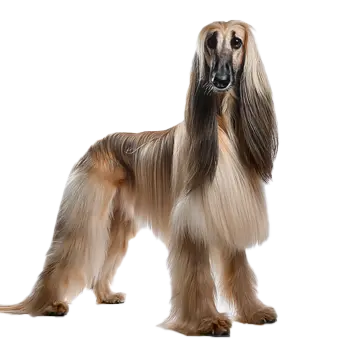

The Afghan Hound is considered a large breed, and large dogs generally enter their senior years earlier than smaller breeds. Most veterinarians classify Afghan Hounds as seniors beginning around seven to eight years of age, though individual dogs age at different rates depending on genetics, overall health, and lifetime care. Some Afghan Hounds remain remarkably vital well into their tenth year, while others begin showing signs of aging somewhat earlier.
The transition from adult to senior is rarely abrupt. More often, it is a gradual series of small changes that accumulate over months. You may notice your Afghan Hound sleeping a little more, being slightly slower to rise from a resting position, or showing less enthusiasm for activities that once excited it. The coat may begin to thin in places, and the muzzle may develop a subtle graying. These early signs do not necessarily indicate illness — they are part of the natural aging process.
Recognizing the onset of the senior years allows you to adjust your approach to care proactively. Shifting from annual to semi-annual veterinary examinations is one of the most important steps you can take. Twice-yearly bloodwork, urinalysis, and physical assessments can catch age-related conditions in their earliest and most treatable stages. Conditions like kidney disease, thyroid dysfunction, and early-stage cancers are far more manageable when detected early.
Accepting that your Afghan Hound is entering its senior years is also an emotional adjustment for the owner. The dog that once flew across the yard in breathtaking stride is now moving at a more measured pace. This new chapter of your relationship requires a shift in expectations but not a reduction in engagement. Senior Afghan Hounds still benefit enormously from attention, gentle activity, and the security of a consistent routine.