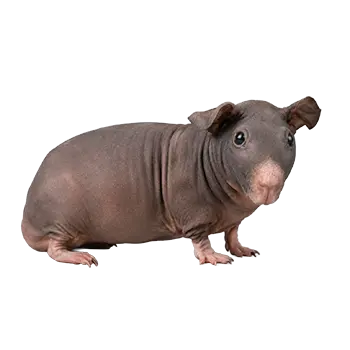

Peak Health Maintenance

A Skinny guinea pig reaches full adulthood at approximately six months of age and enters its prime years, a period that ideally spans several years of stable health and vitality. Maintaining your Skinny at peak condition during this stage requires consistent daily care, attentive observation, and a proactive approach to health management. The routines you establish during the adult years set the foundation for how gracefully your guinea pig ages.

Daily health checks should become a seamless part of your routine. Each time you interact with your Skinny, take a moment to visually assess its skin, eyes, nose, and overall posture. The skin should appear smooth, supple, and free of lesions, redness, or unusual dryness. Eyes should be bright and clear, and the nose should be dry and free of discharge. Any deviation from these baselines warrants closer investigation and potentially a veterinary consultation.

Weight monitoring remains important throughout adulthood, though it can be reduced from daily to weekly. Record your Skinny's weight consistently at the same time and under the same conditions each week. Adult Skinny guinea pigs typically weigh between one and two pounds, with individual variation depending on genetics and sex. Gradual, unexplained weight loss or sudden weight gain can both indicate underlying health problems that benefit from early detection.

Biannual veterinary checkups are recommended for adult Skinny guinea pigs. These visits allow your veterinarian to perform a thorough physical examination, check teeth for malocclusion, assess heart and lung function, and discuss any concerns you may have noticed at home. Guinea pigs are prey animals that instinctively mask signs of illness, so professional examinations can catch problems that are invisible to even the most attentive owner.

Nutrition at Maturity

The adult Skinny guinea pig's diet should be well-established and centered on unlimited timothy hay, measured daily pellets, and a generous variety of fresh vegetables. Timothy hay remains the cornerstone of the diet, providing the fiber necessary for proper digestion and dental health. An adult Skinny should be consuming a body-sized pile of hay each day. If your guinea pig seems uninterested in hay, try offering different cuts such as first, second, or third cutting to find a texture and flavor preference.

Pellets should be limited to approximately one-eighth of a cup per day for an adult Skinny. Choose a plain, timothy-based pellet fortified with stabilized vitamin C and free of seeds, nuts, dried fruit, or artificial coloring. These additives offer no nutritional benefit and can contribute to selective eating, obesity, and digestive problems. As your guinea pig ages, pellet quality matters more than quantity, and a fresh supply with active vitamin C content is essential since the vitamin degrades over time in stored pellets.

Fresh vegetables should be offered daily in a rotation that ensures adequate vitamin C intake and dietary variety. Bell peppers remain one of the best vegetable options due to their exceptionally high vitamin C content. Supplement with leafy greens such as romaine, green leaf lettuce, and cilantro, and offer occasional treats like small pieces of cucumber or a thin slice of carrot. Avoid iceberg lettuce, which has minimal nutritional value, and limit high-calcium greens like spinach and kale to occasional use to reduce the risk of bladder stones.

Because Skinny guinea pigs burn more calories maintaining body temperature than furred breeds, your adult Skinny may require slightly more food than a comparably sized furred guinea pig. Monitor body condition by gently feeling along the ribs and spine. You should be able to feel the ribs with light pressure but they should not be prominently visible. If your Skinny appears too thin despite eating well, consult your veterinarian to rule out dental problems, parasites, or metabolic conditions.

Exercise & Fitness

Adult Skinny guinea pigs need consistent daily exercise to maintain a healthy weight, strong muscles, and good cardiovascular health. A spacious enclosure is the first line of defense against a sedentary lifestyle. The enclosure should provide a minimum of seven and a half square feet for one guinea pig, with additional space for each companion. Larger enclosures naturally encourage more spontaneous movement throughout the day and reduce the behavioral problems associated with confinement in cramped quarters.

Daily floor time sessions of at least thirty minutes to an hour provide essential exercise beyond what even a large cage can offer. Set up a secure, guinea pig-proofed area with fleece or soft towels covering the floor to protect your Skinny's bare skin. Include tunnels, ramps, and low obstacles to encourage active exploration and movement. Many owners find that their Skinnies become most active during floor time in the early morning and evening hours, which aligns with guinea pigs' natural crepuscular activity patterns.

Social interaction drives much of an adult guinea pig's physical activity. Paired or grouped guinea pigs naturally chase, play, and interact in ways that promote exercise far more effectively than any toy or obstacle course. If your Skinny lives alone due to incompatibility with other guinea pigs, you will need to compensate with more interactive floor time and enrichment to ensure adequate activity levels. Consider consulting with a guinea pig rescue or experienced owner about bonding strategies if your solo Skinny would benefit from a companion.

Watch for signs that your Skinny's activity level has declined. An adult guinea pig that spends most of its time sitting in one spot, no longer popcorns or runs during floor time, or shows reluctance to move may be experiencing pain, illness, or depression. Foot problems such as bumblefoot are a particular concern for hairless guinea pigs housed on inappropriate surfaces and can significantly limit mobility if not addressed promptly.

Preventive Health Care

Preventive care for adult Skinny guinea pigs focuses on the unique vulnerabilities created by their hairless condition combined with the standard health concerns that affect all cavies. Skin care is a daily responsibility. Without fur to protect them, Skinnies are more susceptible to cuts, scrapes, sunburn from direct window light, and environmental irritants. Keep the enclosure impeccably clean, use soft bedding materials, and inspect the skin during each handling session for any abnormalities.

Dental health is a critical and often overlooked aspect of guinea pig care. Guinea pig teeth grow continuously throughout their lives, and any misalignment or uneven wear can lead to malocclusion, a painful condition where overgrown teeth prevent normal eating. Unlimited hay is the primary tool for maintaining proper dental wear. If you notice your Skinny dropping food, drooling, losing weight despite apparent appetite, or favoring one side of its mouth while chewing, schedule a veterinary dental examination promptly.

Urinary tract health deserves attention in adult guinea pigs. Bladder stones and sludge are relatively common conditions that can cause significant pain and potentially life-threatening urinary blockages. Ensure your Skinny always has access to fresh, clean water, and manage calcium intake by avoiding excessive high-calcium vegetables and alfalfa hay in the adult diet. Blood in the urine, straining to urinate, or vocalizing during urination are all urgent warning signs that require immediate veterinary attention.

Parasite prevention rounds out the preventive care program. While Skinny guinea pigs cannot harbor fur mites in the traditional sense, they are still susceptible to sarcoptic mange mites, lice, and fungal infections such as ringworm. These conditions cause intense itching, skin inflammation, and crusting that can be especially severe on unprotected hairless skin. Any new guinea pig entering your home should be quarantined and examined before being introduced to existing pets, and bedding materials should be sourced from reputable suppliers to minimize the risk of contamination.

Behavioral Maturity

By the time a Skinny guinea pig reaches full adulthood, its core personality is well established. Adult Skinnies tend to settle into predictable routines and behavioral patterns that make them wonderfully engaging companions. Most adult Skinnies develop strong bonds with their owners and will vocalize enthusiastically when they hear familiar voices, footsteps, or the sound of the refrigerator opening. This responsiveness is one of the most rewarding aspects of living with guinea pigs.

Social dynamics within a group of guinea pigs generally stabilize during adulthood, though periodic challenges to the established hierarchy can occur. These typically manifest as brief episodes of rumblestrutting, mounting, or chasing and resolve without intervention. If you need to introduce a new guinea pig to an established group, the process requires patience and careful management regardless of the ages involved. Adult Skinnies can be territorial, and introductions should always follow a gradual, neutral-territory approach.

Stress management is an important consideration for adult Skinny guinea pigs. These animals are sensitive to environmental changes, loud noises, and disruptions in routine. Moving the enclosure, introducing new household members including other pets, or significant changes to the daily schedule can trigger stress behaviors such as excessive hiding, reduced appetite, or increased startle responses. When changes are unavoidable, introduce them gradually and provide extra comfort and reassurance during the transition period.

Mental stimulation remains important throughout the adult years. A bored guinea pig may develop undesirable behaviors such as bar chewing, excessive chewing on cage accessories, or aggression toward cage mates. Rotate enrichment items regularly, vary the vegetables you offer, and create foraging opportunities by tucking treats into hay or inside paper towel rolls. The mental engagement these activities provide is just as important as physical exercise for your Skinny's overall wellbeing.

Skin Care & Grooming

Grooming a Skinny guinea pig is a fundamentally different experience than grooming a furred breed, but it is no less important. Without a coat to maintain, the focus shifts entirely to skin health, nail care, and ear cleaning. The skin of a healthy adult Skinny should be smooth, pliable, and free of flaking, cracking, or excessive oiliness. Some Skinnies produce more natural skin oils than others, and individual care routines should be adjusted accordingly.

Bathing should be infrequent and approached with caution. Most Skinny guinea pigs do not need regular baths, and over-bathing strips the natural oils from their skin, leading to dryness and irritation. When a bath is necessary due to soiling, use lukewarm water and a mild, fragrance-free cleanser designed for sensitive skin. Rinse thoroughly, as any residue left on the skin can cause irritation. Dry your Skinny completely and immediately after bathing, as their lack of fur means they chill rapidly when wet. A soft towel followed by a few minutes of gentle warmth is sufficient.

Some owners find that their Skinny's skin benefits from occasional light moisturizing, particularly during dry winter months when indoor heating reduces ambient humidity. If moisturizing is needed, use a small amount of a pure, unscented, food-grade oil such as coconut oil applied sparingly to dry areas. Avoid petroleum-based products, scented lotions, and any product not specifically confirmed as safe for guinea pigs. When in doubt, consult your veterinarian before applying any topical product.

Nail trimming is required every three to four weeks for most adult Skinnies. Guinea pig nails grow continuously and will curl and cause discomfort or injury if left untrimmed. Use small animal nail clippers and trim just the tip of each nail, avoiding the quick, which is the pink blood vessel visible inside lighter-colored nails. If your Skinny has dark nails where the quick is not visible, trim conservatively and use a small flashlight held behind the nail to illuminate the quick. Keep styptic powder on hand in case of accidental bleeding.

Always consult a qualified professional before making any health-related decisions. This content is provided for informational reference only and should not replace professional guidance specific to your animal.