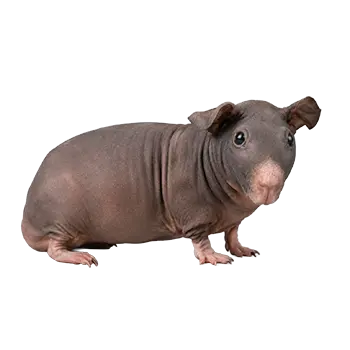

Recognizing when a Skinny guinea pig is approaching the end of its life is one of the most difficult but important responsibilities an owner faces. The signs of terminal decline in guinea pigs can be subtle at first and may overlap with treatable conditions, which is why maintaining a close relationship with your veterinarian throughout your Skinny's senior years is so valuable. A guinea pig that is approaching the end will often show a combination of symptoms rather than a single dramatic change, and the pattern of decline over days or weeks tells a clearer story than any individual observation.
The most reliable early indicators include sustained weight loss that does not respond to dietary adjustments, progressive loss of appetite, and declining interest in favorite foods and treats. A Skinny guinea pig that once wheeled with excitement at the sound of a vegetable bag but now shows only indifference has likely experienced a significant shift in its condition. Reduced water intake, which may be visible as a water bottle that stays full longer than usual, often accompanies appetite loss and accelerates the decline.
Physical signs of approaching end of life may include labored or irregular breathing, a hunched and immobile posture, eyes that appear sunken or dull, and a noticeable decrease in body temperature that you can feel through the Skinny's exposed skin. The skin itself may lose its normal tone and feel papery or slack. Incontinence or an inability to maintain normal grooming and hygiene is another significant indicator that the body's systems are beginning to shut down.
It is important to distinguish between a treatable illness and a terminal decline. Some of the symptoms described above can also indicate conditions such as dental disease, urinary tract infection, or respiratory illness that may respond to veterinary treatment. Before concluding that your Skinny is dying, consult with your veterinarian to rule out or address any conditions that could be causing reversible suffering. The goal is always to ensure that a treatable guinea pig receives care and that a terminal guinea pig receives comfort.