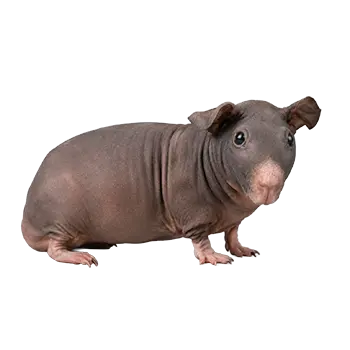

When Does Senior Begin?

Skinny guinea pigs are generally considered to enter their senior years at around five years of age, though the transition from prime adulthood to senior status is gradual rather than abrupt. With a typical lifespan of five to eight years, a five-year-old Skinny is entering the final phase of its life, and care adjustments during this period can significantly impact both the length and quality of its remaining years. Some Skinnies show signs of aging earlier, while others remain remarkably vigorous well past five.

The earliest signs of aging in a Skinny guinea pig are often subtle. You may notice a slight decrease in activity level, with your guinea pig spending more time resting and less time actively exploring during floor time. Weight changes, either gradual loss or unexplained gain, can signal metabolic shifts associated with aging. The skin may lose some of its youthful elasticity and become slightly drier or thinner, making it even more vulnerable to injury and environmental irritation than during the adult years.

Behavioral shifts also mark the transition into senior status. An older Skinny may become less interested in social interactions with cage mates, preferring quiet resting spots over active play. Some seniors become more affectionate and seek out human contact more frequently, while others become slightly more withdrawn. These changes are a normal part of aging and do not necessarily indicate illness, but they should prompt you to increase the frequency of health monitoring and veterinary visits.

Once your Skinny enters its senior years, veterinary checkups should increase from biannual to quarterly if possible. Older guinea pigs are more susceptible to a range of health conditions including dental disease, heart problems, kidney issues, and tumors. Early detection through regular professional examination gives your senior Skinny the best chance at effective treatment and continued comfort.

Mobility & Joint Health

Joint stiffness and reduced mobility are common developments in aging Skinny guinea pigs. You may notice your senior Skinny moving more slowly, hesitating before climbing ramps, or choosing to remain in one area of the enclosure rather than exploring as it once did. These changes often develop gradually and can be easy to overlook if you are not specifically watching for them. Any sudden onset of lameness, limping, or reluctance to move warrants immediate veterinary evaluation to rule out injury or acute conditions.

Enclosure modifications become important as your Skinny's mobility declines. Remove or reduce the incline of ramps, lower the entrance to hidey houses, and ensure that food and water stations are easily accessible without requiring the guinea pig to climb or stretch. If your enclosure has multiple levels, your senior Skinny may benefit from being transitioned to a single-level setup where everything it needs is within easy reach on one flat surface.

Bedding choices matter more than ever for a senior Skinny with joint concerns. Thick, soft fleece liners provide cushioning that supports aging joints and protects the increasingly fragile skin from pressure sores. Replace liners frequently to maintain a clean, dry surface, as moisture trapped against the skin can cause irritation and bacterial or fungal infections. Some owners add an extra layer of padding beneath the fleece, such as a folded towel or a thin foam mat, to provide additional joint support.

Gentle exercise remains beneficial for senior Skinnies, even as their capacity for vigorous activity diminishes. Short, supervised floor time sessions allow your aging guinea pig to move at its own pace without the pressure of navigating obstacles or competing with younger, more active cage mates. Avoid cold floors and drafty areas during these sessions, as senior Skinnies are even more sensitive to temperature drops than younger adults. The goal is to maintain whatever range of motion and muscle tone your senior can comfortably sustain without causing pain or exhaustion.

Cognitive Changes

Cognitive decline in guinea pigs is less well-documented than in dogs or cats, but experienced guinea pig owners and veterinarians do observe behavioral changes in older animals that suggest some degree of age-related mental change. A senior Skinny guinea pig may seem confused by changes in its environment that it would have previously taken in stride. It may startle more easily, respond less consistently to familiar cues like the sound of a treat bag, or appear disoriented in spaces it has navigated for years.

Routine and predictability become increasingly important for a cognitively aging guinea pig. Keep the enclosure layout consistent, maintain regular feeding times, and minimize unnecessary environmental disruptions. A senior Skinny that knows exactly where its food, water, and favorite hiding spot are located will feel more secure and confident than one whose environment is frequently rearranged. Stability reduces stress, and stress management is a cornerstone of quality senior care.

Social relationships may shift as your Skinny ages. A formerly dominant guinea pig may become more passive, while a previously submissive companion may begin asserting itself. Monitor these dynamics carefully, as an aging guinea pig that is being bullied or pushed away from food by a younger, more assertive cage mate may suffer nutritional decline and chronic stress. In some cases, modifications to the enclosure such as adding multiple feeding stations and extra hiding spots can resolve these tensions without requiring separation.

Continued mental stimulation, adapted to your senior Skinny's current capabilities, helps maintain cognitive function and overall engagement with life. Simple foraging activities, gentle handling sessions, and calm one-on-one time with you provide mental enrichment without overwhelming an older animal. The key is to meet your senior guinea pig where it is rather than expecting it to perform at the level it achieved during its prime years.

Nutrition for Aging

Nutritional needs shift as a Skinny guinea pig enters its senior years, and adjustments to the diet can help manage age-related health changes and support continued vitality. Unlimited timothy hay remains the dietary foundation, but you may find that your senior Skinny chews hay more slowly or shows preference for softer cuttings. Third-cut timothy, which tends to be leafier and softer than first or second cut, is often better accepted by older guinea pigs with dental wear or sensitivity.

Vitamin C requirements may actually increase in senior guinea pigs, as aging bodies become less efficient at utilizing the vitamin from dietary sources. Continue offering vitamin C-rich vegetables daily, with bell peppers as the primary source. If your veterinarian is concerned about your senior Skinny's vitamin C levels, they may recommend a liquid vitamin C supplement administered directly by mouth. Avoid vitamin C drops added to water, as the vitamin degrades rapidly in water and the dosage becomes unreliable.

Weight management takes on new dimensions in the senior years. Some older Skinnies lose weight due to dental problems that make eating difficult, metabolic changes, or underlying health conditions. Others gain weight as their activity level declines but their caloric intake remains unchanged. Weekly weigh-ins become even more important during this stage, and any sustained change of more than a few ounces in either direction should be discussed with your veterinarian.

Hydration is a concern that deserves special attention in senior Skinnies. Older guinea pigs may drink less due to reduced mobility making it harder to reach the water bottle, dental pain that discourages drinking, or simply a diminished sense of thirst. Ensure that water bottles are positioned at a comfortable height and that the spout functions smoothly. Offering water-rich vegetables such as cucumber and romaine lettuce can supplement fluid intake. If you suspect dehydration, gently pinch the skin on the back of the neck. In a well-hydrated guinea pig, the skin snaps back immediately; slow return suggests dehydration that needs to be addressed.

Increased Veterinary Care

Senior Skinny guinea pigs benefit from more frequent veterinary oversight as the likelihood of age-related health conditions increases. Quarterly checkups allow your veterinarian to track trends in weight, dental condition, heart function, and overall vitality over time. These regular visits create a longitudinal health record that makes it much easier to spot gradual declines that might be missed in less frequent examinations.

Dental disease is one of the most common and impactful health issues in aging guinea pigs. As teeth continue to grow throughout life, years of wear can lead to uneven surfaces, spurs, or root elongation that causes pain and difficulty eating. Signs of dental problems include drooling, dropping food while eating, preferring soft foods over hay, weight loss, and reluctance to be touched around the face. Dental examinations require specialized instruments and should be performed by a veterinarian experienced in guinea pig dentistry, as issues are often not visible without proper equipment.

Heart disease is another condition that becomes more prevalent in older guinea pigs. Symptoms can be subtle and may include increased respiratory rate, lethargy, reduced appetite, and in advanced cases, fluid accumulation in the abdomen or chest. Your veterinarian may recommend periodic listening with a stethoscope or even radiographs to monitor heart size and function in senior patients. Early detection allows for medical management that can significantly improve comfort and extend quality time.

Tumors and growths become more common with age. During your daily skin inspections, which are especially straightforward on a hairless guinea pig, feel for any new lumps, bumps, or masses beneath or on the skin surface. Not all growths are cancerous, but any new mass should be evaluated by your veterinarian to determine whether it requires monitoring, biopsy, or removal. The advantage of the Skinny's hairless skin is that new growths are often noticed earlier than they would be on a furred guinea pig, which can improve treatment outcomes.

Quality of Life Assessment

Assessing quality of life in an aging Skinny guinea pig is an ongoing process that requires honest observation and a willingness to prioritize your pet's comfort above your own desire to keep it with you as long as possible. Quality of life is not measured by a single indicator but by the overall balance of good days versus difficult ones. A guinea pig that still shows interest in food, engages with its environment, interacts with companions or humans, and moves comfortably is generally maintaining an acceptable quality of life.

Several frameworks exist to help owners evaluate quality of life in small animals. Most consider factors such as pain level, appetite, hydration, hygiene, happiness, mobility, and the ratio of good days to bad. It can be helpful to keep a simple daily journal where you note your Skinny's eating, activity, social behavior, and any signs of discomfort. Over time, this record reveals patterns that are easier to see on paper than in the blur of daily life and can guide conversations with your veterinarian about care decisions.

Pain management is a central component of quality of life care for senior guinea pigs. Guinea pigs are prey animals that instinctively hide pain, so the absence of obvious distress does not necessarily mean the absence of pain. Subtle signs of discomfort include reluctance to move, hunched posture, teeth grinding, reduced appetite, and withdrawal from social interaction. If you suspect your Skinny is in pain, discuss options with your veterinarian. Safe pain management protocols exist for guinea pigs and can make a meaningful difference in comfort during the senior years.

The conversations you have with your veterinarian about quality of life during the senior years are some of the most important you will ever have regarding your pet's care. A veterinarian who knows your Skinny well can provide objective perspective on health trends, treatment options, and, when the time comes, end-of-life planning. Building this relationship well before a crisis arises ensures that you have a trusted partner to help navigate the difficult decisions that may lie ahead.

Always consult a qualified professional before making any health-related decisions. This content is provided for informational reference only and should not replace professional guidance specific to your animal.