
The First 24 Hours

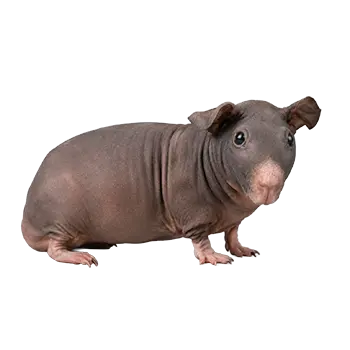
Skinny guinea pig pups are born remarkably precocial compared to many other small mammals. They arrive with their eyes open, ears functional, and tiny legs ready to move within minutes of birth. Unlike their furred relatives, Skinny pups are born with their characteristic near-hairless skin fully exposed, which makes temperature regulation an immediate and critical concern from the moment they enter the world.

During the first hours of life, the most important task is ensuring that every pup in the litter nurses from the mother. Skinny guinea pigs produce colostrum-rich first milk that delivers essential antibodies and nutrients the pups cannot get from any other source. Watch carefully to confirm that each pup latches on and feeds successfully. Pups that fail to nurse within the first few hours are at significantly higher risk for decline and should be monitored closely.

Because Skinny pups lack the insulating fur coat that other guinea pig breeds rely on, their enclosure temperature must be kept consistently warm. Aim for an ambient temperature between 75 and 80 degrees Fahrenheit during the first day of life. Avoid drafts, open windows, and air conditioning vents near the nesting area. A gentle, indirect heat source can be used as a supplement, but never place heating pads directly under pups, as their delicate skin is highly prone to thermal burns.

Resist the urge to handle pups excessively during the first day. While Skinny mothers are generally tolerant and rarely reject their young due to human scent, unnecessary handling increases stress on both the mother and the litter. Brief, gentle checks to confirm nursing and health are appropriate, but extended handling should wait until the pups have had at least 24 hours to stabilize.

Nursing & Nutrition

Skinny guinea pig pups begin nursing almost immediately after birth and will continue to rely on their mother's milk as a primary nutrition source for roughly the first three weeks of life. The mother's milk provides the ideal balance of fat, protein, and immune factors that support the rapid growth these pups undergo during their earliest days. Litters typically range from one to four pups, and it is important to ensure that smaller or weaker pups are not consistently pushed away from nursing by more dominant siblings.

One of the remarkable traits of guinea pig pups, including Skinnies, is that they are born with functioning teeth and can begin nibbling on solid foods within just a day or two of birth. Offer fresh timothy hay and small amounts of leafy greens such as romaine lettuce or cilantro in the enclosure from day one. While pups will not consume meaningful quantities of solid food right away, early exposure to hay and vegetables establishes healthy eating habits and begins the process of developing their gut flora.

Vitamin C is a critical nutrient for all guinea pigs because, like humans, they cannot synthesize it on their own. Nursing mothers should be given vitamin C-rich vegetables and a quality guinea pig pellet formulated with added vitamin C to ensure that their milk provides adequate levels to the pups. As pups begin to eat solid food independently, they should have access to the same vitamin C-rich options.

Weaning occurs naturally between three and four weeks of age. By this point, pups should be eating a full diet of hay, pellets, and fresh vegetables alongside any remaining nursing. Forced early weaning should be avoided unless there is a medical reason, as the transition period allows the pups' digestive systems to fully mature. Always provide fresh, clean water in a low-mounted bottle or shallow dish that pups can reach easily.

Developmental Milestones

Skinny guinea pig pups develop at a pace that surprises many first-time owners. Within the first hour of life, most pups are standing and attempting to walk. By the end of their first day, they are typically moving around the enclosure with reasonable coordination, exploring their surroundings and interacting with littermates. This precocial development is a survival trait inherited from wild ancestors that needed to be mobile shortly after birth.

During the first week, pups will roughly double their birth weight if nursing is going well. Their skin, which may appear wrinkled and loose at birth, begins to fill out as they gain body mass. Any light fuzz present on the nose, feet, and legs becomes more visible during this period. Owners should weigh pups daily using a small kitchen scale to track growth and catch any stalls or declines early.

By the end of the second week, pups are actively eating hay and nibbling on vegetables alongside their mother. Their coordination improves dramatically, and they begin engaging in characteristic guinea pig behaviors such as popcorning, which involves small joyful jumps and twists that signal contentment. Social behaviors also emerge during this window, with pups beginning to vocalize more frequently and establish early relationships with cage mates.

Between weeks three and four, pups reach a critical developmental milestone as they approach weaning. Males and females should be sexed accurately during this period, as guinea pigs can reach sexual maturity surprisingly early. Male pups should be separated from their mother and female siblings by three to four weeks of age to prevent unintended pregnancies. This is especially important with Skinny guinea pigs, where breeding should only be undertaken with careful planning.

Temperature & Environment

Temperature management is arguably the single most important aspect of caring for newborn Skinny guinea pigs. Without the protective fur coat that other breeds possess, Skinny pups are exceptionally vulnerable to temperature fluctuations. Their exposed skin loses heat rapidly, and hypothermia can set in quickly if the environment is not properly controlled. The ideal ambient temperature for newborn Skinnies is between 75 and 80 degrees Fahrenheit, which is warmer than what most furred guinea pig breeds require.

The enclosure itself should be set up to provide warmth without creating hazards. Fleece liners are an excellent bedding choice for Skinny pups because they provide a soft, warm surface that does not irritate their sensitive skin. Avoid wood shavings, especially cedar and pine, which can cause skin irritation and respiratory issues. If additional warmth is needed, a ceramic heat emitter mounted safely above the enclosure can provide gentle ambient heat without the burn risk associated with heat lamps or under-tank heating pads.

Drafts are a serious threat to hairless pups and should be eliminated from the area surrounding the enclosure. Position the cage away from exterior walls, windows, doors, and air vents. Even brief exposure to cool air currents can cause a newborn Skinny's body temperature to drop to dangerous levels. If the room temperature cannot be reliably maintained, consider using a small space heater with a thermostat to keep the area consistent.

Humidity also plays a role in the health of Skinny pups. Very dry air can cause their skin to crack and become irritated, while excessively humid conditions can promote bacterial and fungal skin infections. Aim for a relative humidity between 40 and 60 percent. A simple room hygrometer placed near the enclosure will help you monitor conditions and make adjustments as needed.

Early Socialization

Skinny guinea pigs are naturally social animals, and the foundations of their temperament are shaped during the first few weeks of life. Early positive interactions with both humans and other guinea pigs help produce a confident, well-adjusted adult. Beginning around day two or three, you can start introducing brief, gentle handling sessions. Keep initial sessions to just a few minutes, holding the pup close to your body for warmth and speaking softly to acclimate them to your voice and scent.

Interaction with the mother and littermates provides the most important socialization during the newborn period. Pups learn essential guinea pig communication and behavior from their mother, including vocalizations, body language, and appropriate social boundaries. Litters that are kept together through the natural weaning period tend to produce more socially competent adults than pups that are isolated early. Allow the family group to remain intact until weaning age, separating only males from females at three to four weeks to prevent breeding.

Gradually increase the length and variety of handling sessions as pups grow. By the second week, pups can be held for slightly longer periods and introduced to different gentle touches and movements. Expose them to normal household sounds such as conversation, television, and kitchen activity so that these everyday noises become familiar rather than frightening. The goal is to build a pup that is comfortable being picked up, held, and examined, which will make routine health checks and veterinary visits far less stressful throughout their life.

Avoid overwhelming pups with too many new experiences at once. Socialization should be a gradual, positive process rather than a flood of stimulation. If a pup shows signs of stress such as freezing, excessive vocalizing, or attempting to flee, return it to the security of its enclosure and try again later with a gentler approach. Patience during this critical window pays dividends in the form of a trusting, friendly companion.

Health Screening & Vet Visits

A veterinary checkup within the first week of life is strongly recommended for Skinny guinea pig pups, especially for first-time breeders or owners who are unfamiliar with the unique health considerations of hairless cavies. An experienced exotic animal veterinarian can assess each pup's overall condition, check for congenital issues, confirm proper nursing and weight gain, and provide guidance tailored to your specific litter.

Skinny guinea pigs are prone to several health concerns that are less common in furred breeds. Their exposed skin is susceptible to scratches, abrasions, and fungal infections such as ringworm. During daily health checks, examine each pup's skin for any redness, flaking, lesions, or unusual bumps. The skin should appear smooth and supple, with a healthy pinkish tone that may vary depending on the pup's coloring. Any signs of dry, cracked, or inflamed skin warrant a veterinary consultation.

Monitor each pup's weight daily using a gram-accurate kitchen scale. Consistent weight gain is the single best indicator of a healthy newborn guinea pig. A pup that fails to gain weight for two consecutive days, or that loses weight at any point, may be struggling to nurse or may have an underlying health issue that requires attention. Keep a written log of daily weights for each pup so that trends are easy to spot.

Respiratory health is another area that deserves careful attention in newborn Skinnies. Listen for any wheezing, clicking, or labored breathing, which can indicate a respiratory infection. Guinea pigs are susceptible to upper respiratory infections that can escalate rapidly in young pups. A warm, clean, draft-free environment with proper bedding goes a long way toward preventing respiratory issues. If any pup shows signs of respiratory distress, nasal discharge, or lethargy, seek veterinary care immediately rather than waiting to see if symptoms resolve on their own.

When to Worry

Knowing when a newborn Skinny guinea pig needs urgent intervention can make the difference between a minor setback and a serious emergency. The most critical warning sign is a pup that stops nursing or shows no interest in food. Because guinea pig pups are born ready to eat and typically nurse eagerly, a refusal to feed is almost always a sign that something is wrong. A pup that has not nursed in more than a few hours should be evaluated immediately and may need supplemental feeding with a guinea pig-safe milk replacer administered via a small syringe.

Weight loss or failure to gain weight is the next most important red flag. While daily weight fluctuations of a gram or two are normal, a consistent downward trend or a sudden drop of several grams indicates a problem. Pups that are being outcompeted at nursing by larger siblings may need supervised feeding sessions where they are given priority access to the mother. In some cases, supplemental feeding may be necessary to bridge the gap until the pup is strong enough to compete on its own.

Skin problems in Skinny pups should never be dismissed as cosmetic. Because their skin is their primary barrier against infection and environmental hazards, any breach in skin integrity can become a gateway for bacteria or fungi. Watch for redness, swelling, oozing, crusting, or any patches of skin that appear significantly different from the rest of the body. Skin injuries from cage mates' nails or rough cage surfaces should be cleaned gently and monitored for signs of infection.

Lethargy is a particularly alarming sign in newborn guinea pigs. Healthy pups are active, curious, and vocal. A pup that sits hunched and motionless, does not respond to gentle touch, or feels noticeably cold to the touch is in distress. Hypothermia can develop rapidly in hairless pups and requires immediate warming. Wrap the pup gently in a soft cloth and hold it against your body to transfer warmth while you arrange emergency veterinary care. Time is critical in these situations, and delays can be fatal.

Always consult a qualified professional before making any health-related decisions. This content is provided for informational reference only and should not replace professional guidance specific to your animal.